

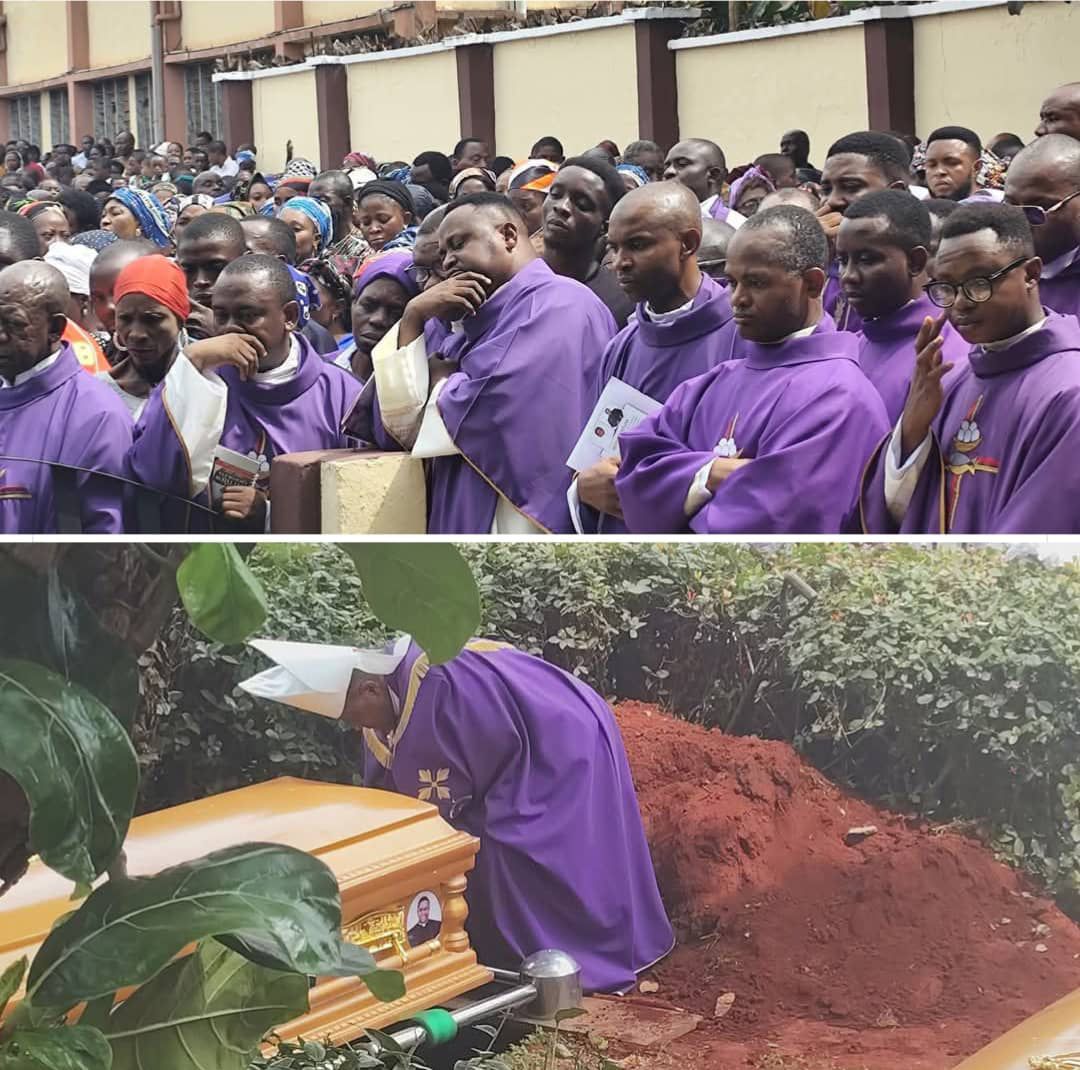
Two Catholic priests of the Diocese of Nsukka — Fr. John Igwebueze and Fr. Matthew Eya — were murdered two days ago in Enugu State by armed members of IPOB/ESN, a group often referred to locally as “Unknown Gunmen.” The attackers openly claimed responsibility, leaving no room for the usual blame often directed at Fulani pastoralists in similar incidents across the region.

The priests were quietly laid to rest in Nsukka, with solemn burial rites attended by clergy and parishioners. However, the broader reaction to the killings has raised serious questions about selective outrage, ethnic bias, and the growing normalization of violence in the South-East.
Despite the gravity of the attack, the incident received limited national coverage, and many individuals who typically amplify such tragedies online remained silent. Unlike previous cases where blame was immediately placed on Fulani herders or Muslims, this attack did not align with the familiar narratives some groups frequently promote. As a result, public commentary was noticeably restrained.

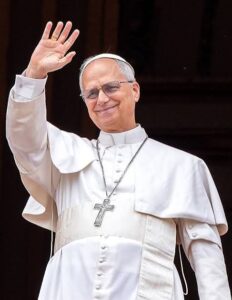
Observers also expressed disappointment over the silence of key religious institutions. No major Christian body, including the Christian Association of Nigeria (CAN), issued a statement condemning the murders or calling attention to the rising insecurity in the region. Several church leaders who routinely speak out when attacks involve Fulani assailants did not address the killings during Sunday services.
Security analysts say this pattern of selective empathy fuels division and undermines efforts to address Nigeria’s complex security challenges. The tragedy, they argue, reveals a deeper problem: public reactions to violence often depend on the identity of the perpetrators rather than the victims.

Community leaders who spoke to HeadlineNews.News insist that the killings should serve as a wake-up call. They warn that prejudice-driven narratives, when left unchecked, contribute to further stigmatization, deepen mistrust among Nigeria’s ethnic and religious groups, and ultimately hinder peace-building.
They also caution that no community or faith group has a monopoly on violence, and that scapegoating entire ethnic or religious groups only spreads hatred and blinds the public to the broader security failures affecting all Nigerians.

They call on citizens, religious leaders, and the media to condemn violence consistently, without bias or selective outrage, and to stand firmly against narratives that unjustly target innocent communities.
As one community elder put it: “Hatred burns the one who carries it. We cannot build peace by choosing which victims deserve sympathy.”
The killings of Fr. Igwebueze and Fr. Eya are yet another painful reminder of the urgent need for truth, fairness, and balance in national discourse—values that remain critical if the country hopes to heal and move toward lasting security.
Headlinenews.news Special Investigative Report.




