HEADLINENEWS.NEWS | GLOBAL SECURITY ANALYSIS
A senior French military voice has delivered one of the most striking critiques yet of growing tensions around a potential U.S.-led escalation with Iran—warning that joining such a campaign would be akin to “buying cheap tickets for the Titanic after it has already hit the iceberg.”
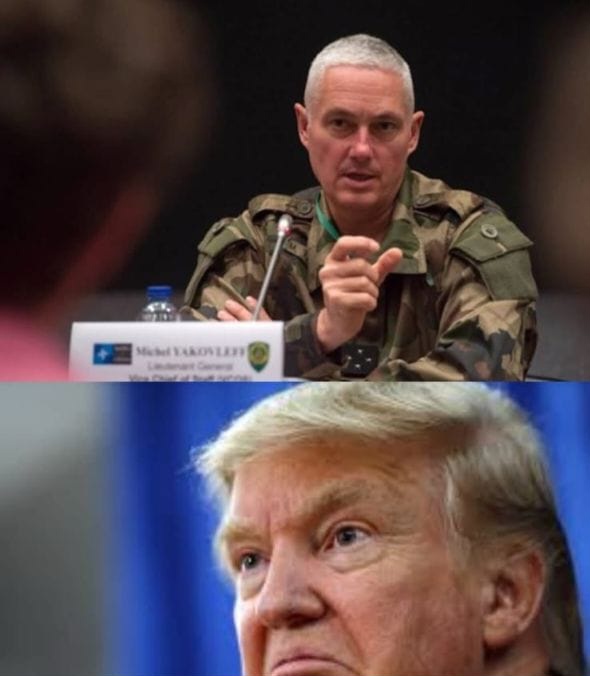
Michel Yakovleff, a former senior NATO commander and one of France’s most respected strategic thinkers, did not hedge his position.
His assessment cuts through diplomatic language and goes directly to the heart of what many allies are quietly thinking—but have been reluctant to say publicly.

At the core of his argument is a fundamental breakdown in strategic clarity.
According to Yakovleff, any multinational military operation must be anchored on clear objectives, unified command, and defined endgame outcomes. Yet, in this case, there appears to be no coherent articulation of what success would look like.
Is the aim to secure maritime routes?
Contain Iran?
Force regime change?
The absence of a clearly defined objective, he suggests, makes coordinated engagement not just risky—but strategically unsound.
He also raised a structural concern about alliance dynamics.
NATO operations are not informal coalitions assembled at will—they are governed by strict command frameworks and collective decision-making processes. Any deviation from this risks operational confusion and fragmentation.
Perhaps most damaging, however, is the question of trust.

Yakovleff pointed to a growing perception among allies that strategic commitments may not be reliable.
In high-risk military engagements, where lives and national interests are at stake, predictability and consistency are non-negotiable currencies. Without them, alliance cohesion weakens.
His final point draws from a principle taught in American military doctrine itself:
“You don’t reinforce failure. You reassess and adapt.”
The broader international response appears to reflect this caution. Key U.S. allies—including European powers and Indo-Pacific partners—have signalled reluctance to engage in any rapid escalation without clarity, coordination, and a defined framework.
Meanwhile, the Strait of Hormuz, through which nearly 20% of global oil supply passes, has become increasingly volatile. Rising tensions have already triggered disruptions in shipping confidence and upward pressure on global energy prices, with potential ripple effects across economies worldwide.
For global observers, the situation presents a sobering reality:
military power without strategic coherence risks isolation rather than leadership.
As the debate continues, one message from Europe’s strategic community is becoming clearer—alliances are not built on impulse, but on structure, trust, and shared purpose.
Headlinenews.news Special Report