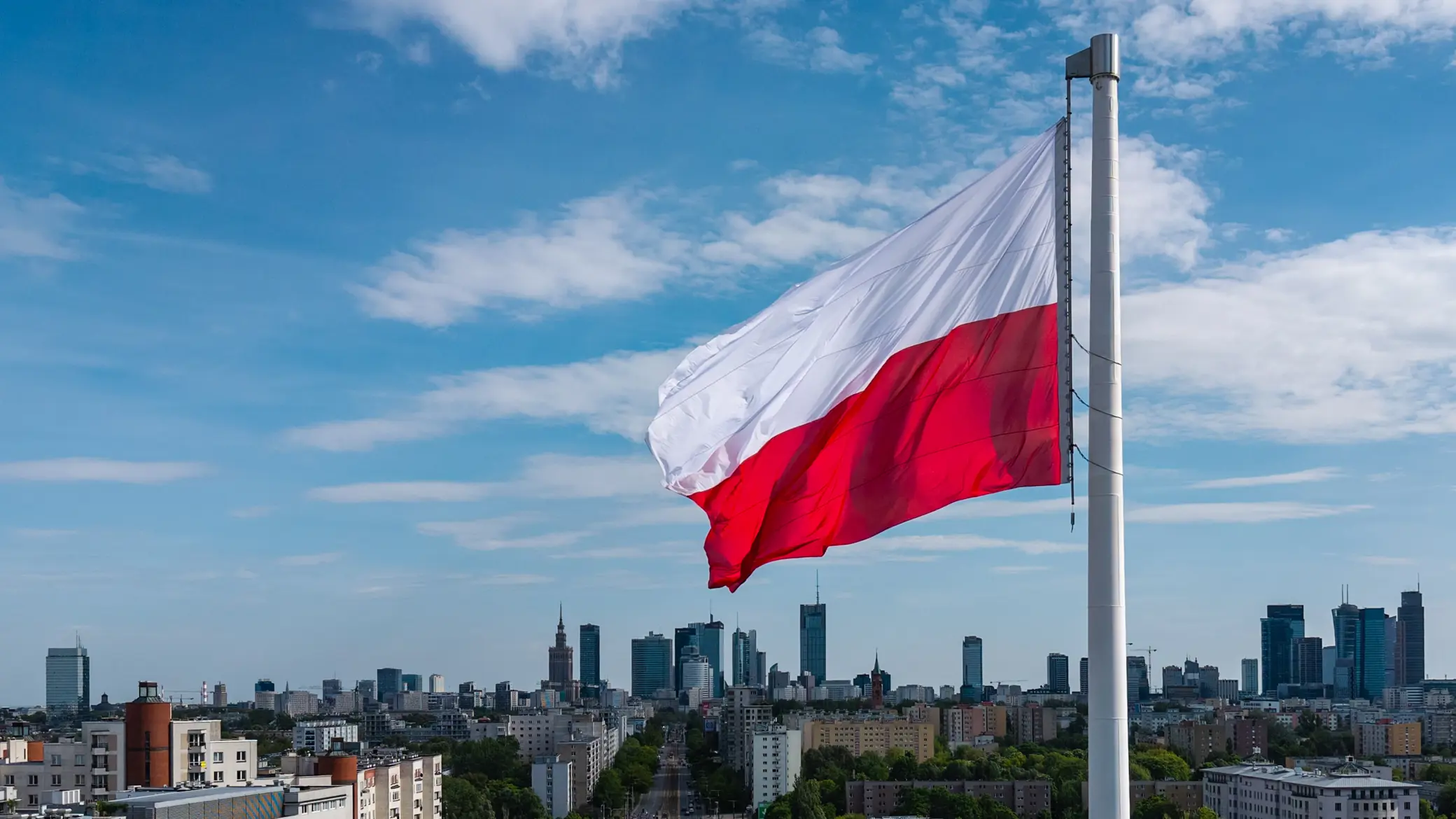
Poland has pulled its military personnel out of Iraq as security concerns continue to grow across the Middle East.
The country’s Defence Minister, Wladyslaw Kosiniak-Kamysz, confirmed that the decision followed a careful review of the risks facing Polish troops stationed in the region. He explained that the worsening security situation made it necessary to relocate the contingent to ensure their safety.
According to him, the withdrawal was carried out in coordination with NATO allies, allowing for a smooth and secure transition.
Prime Minister Donald Tusk also weighed in on the development, making it clear that Poland would not be joining the ongoing conflict involving the United States and Israel against Iran. He stated that the war does not pose a direct threat to Poland’s national security and therefore does not justify military involvement.

Officials emphasised that the decision was based purely on national interest and a strategic assessment of the evolving crisis.
Although Poland is not directly involved in the conflict, authorities disclosed that they had prior awareness of planned military actions through allied communication channels.
The move marks a shift in Poland’s military posture in the Middle East, as tensions continue to rise following recent escalations between the United States, Israel, and Iran.
The conflict, which has developed over several years due to disputes over Iran’s nuclear programme and regional influence, intensified in 2026 after a series of direct military strikes by US and Israeli forces on Iranian-linked targets.
Iran has strongly rejected these actions, describing them as violations of its sovereignty, and has responded with retaliatory measures, further increasing instability in the region.
Iraq remains a key area of concern, as it hosts foreign troops and has historically been affected by spillover from regional conflicts. As a result, several countries involved in multinational missions there are now reassessing their military presence due to growing safety concerns.
While NATO continues to provide a framework for cooperation among member states, decisions on troop deployments ultimately remain the responsibility of individual countries.