

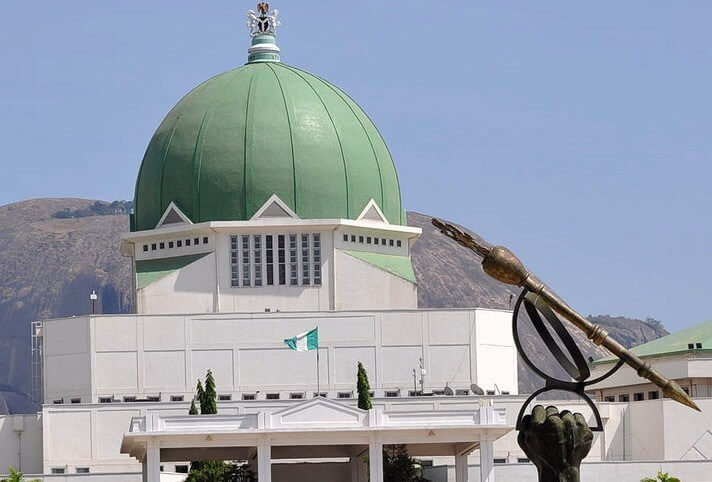
There are strong indications that the Independent National Electoral Commission (INEC) and the National Assembly have agreed to move the 2027 presidential election to January 16, 2027, replacing the previously scheduled February 20 date. Sources also indicate that governorship elections may be rescheduled to January 30, 2027.

The proposed shift emerged just hours after the Senate and House of Representatives postponed the planned harmonisation of the Electoral Act (Amendment) Bill to focus on an emergency plenary session convened for Tuesday, where the new election dates are expected to be discussed.

A senior official confirmed that after consultations between INEC and the legislature, the presidential and governorship elections would likely be held on January 16 and 30, respectively. A ranking senator echoed the development, adding that while the proposal is on the table, it remains subject to further debate on the floor.
The adjustment marks a major change in the 2027 electoral calendar, reflecting mounting political, religious, and logistical considerations. The original February 20 presidential election date drew criticism from Muslim groups and political stakeholders because it coincides with Ramadan, projected to run from February 7 to March 8, 2027. This raised concerns over inclusivity, voter turnout, and religious sensitivity.

Earlier discussions suggested February 13 as a compromise date, but consultations between INEC and the National Assembly leadership have resulted in the more decisive option of holding elections in January. If adopted, the January 16 presidential poll would be among the earliest in Nigeria’s Fourth Republic history, compressing campaign timelines and administrative preparations.
Emergency National Assembly plenary
The National Assembly announced that it would reconvene plenary on Tuesday, February 17, 2026, cutting short its recess to take “very crucial decisions.” The abrupt resumption is believed to be directly linked to the reconsideration of the 2027 election timetable.

While a meeting of the Senate and House conference committees to harmonise differences in the Electoral Act Amendment Bill was initially planned for February 16, it has been suspended due to the emergency plenary. Lawmakers indicated that the discussion on election dates would take priority before resuming other matters, including provisions on electronic transmission of results and dispute resolution timelines.
INEC balancing stakeholder concerns
INEC has acknowledged concerns over the February 20 schedule and indicated its readiness to work with the legislature to accommodate legitimate public interests. The commission emphasized that any adjustments would comply with constitutional and statutory requirements, while ensuring broad electoral participation.

Former Vice President Atiku Abubakar and other stakeholders had raised objections to holding elections during Ramadan, citing challenges for Muslim voters and the importance of inclusivity.
Technological and logistical considerations
The controversy over dates coincides with ongoing debates on electronic transmission of results. While the Senate approved submission of results to INEC’s portal, it retained manual collation as a backup, citing infrastructural challenges, including limited electricity distribution capacity.
Shifting the presidential election to January would shorten campaign periods, require parties to reschedule primaries, and necessitate adjustments in INEC’s logistics, procurement, and training operations. Analysts note that while the move may improve voter turnout in northern states during Ramadan, it will also test the readiness of electoral management and political parties nationwide.

Beyond the timing, lawmakers are also considering broader reforms aimed at concluding election petitions before the May 29, 2027 inauguration, including shortening tribunal and appellate timelines to ensure timely resolution.
As the National Assembly resumes under extraordinary circumstances, the convergence of religious considerations, technological limitations, and constitutional mandates has placed both the legislature and INEC at the centre of one of the most significant electoral recalibrations in recent Nigerian history.




