

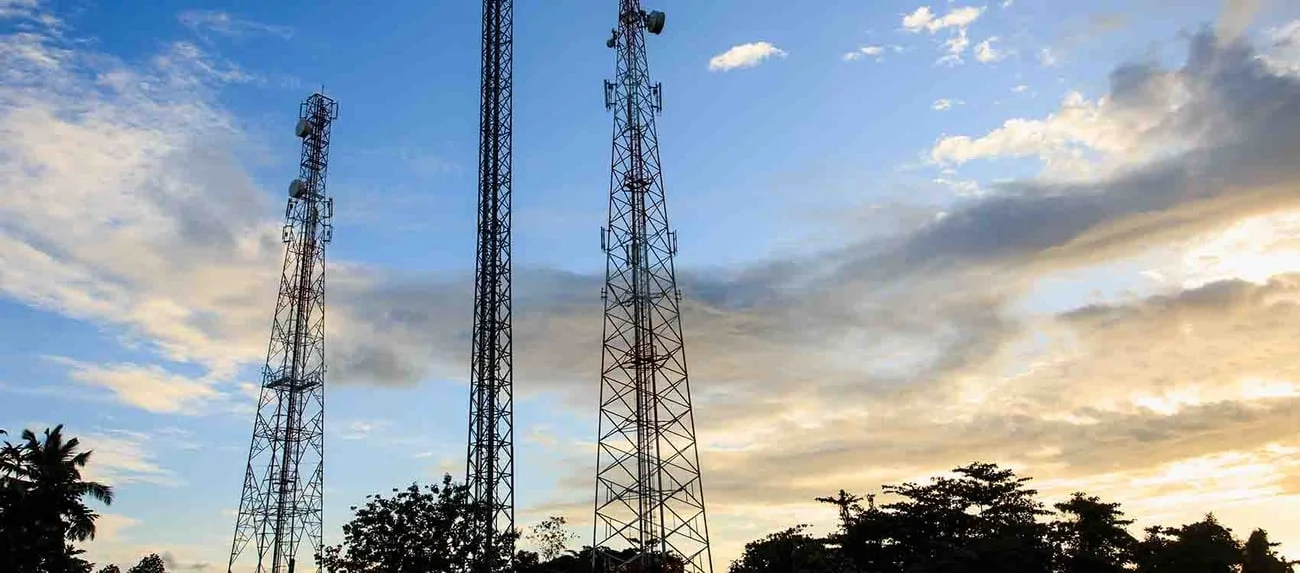
Nigeria plans to allocate $460 million, representing 92% of a $500 million World Bank loan, to capitalise a new fibre infrastructure company aimed at rolling out 90,000 kilometres of climate-resilient broadband fibre nationwide.
This is outlined in the Financing Agreement for the Building Resilient Digital Infrastructure for Growth (Project BRIDGE) between the Federal Government and the International Development Association (IDA), the concessional lending arm of the World Bank.

Under the agreement, the World Bank approved a $500 million concessional credit to support Nigeria’s goal of expanding access to high-quality, climate-resilient broadband, particularly in unserved and underserved regions. Of this, $460 million is earmarked for equity financing and capitalisation of a new Project Company, while the remaining $40 million will cover goods, services, training, operating costs, and repayment of an advance used to develop the project framework.
The Project Company will operate as an independent, majority privately-owned joint venture, with a phased approach to deploying fibre infrastructure. Its mandate includes providing wholesale, open-access services to licensed telecom operators, managing associated investments, carrying out preparatory activities, offering transaction advisory services, and securing equity financing.
The Federal Government will participate via Ministry of Finance Incorporated, but its shareholding is capped at 49%, ensuring private partners retain majority ownership.

The $460 million equity funding will be disbursed in four tranches based on strict operational and performance milestones:
-
First tranche ($150m): Released upon incorporation of the Project Company and approval of its memorandum, articles of association, and shareholding agreements.
-
Second tranche ($100m): Released after adoption of fiduciary and administrative procedures approved by the World Bank and completion of 5,000 km of fibre deployment.
-
Third tranche ($100m): Linked to an additional 20,000 km of network construction.
-
Final tranche ($110m): Released after launching wholesale open-access services and completing a further 40,000 km, bringing total rollout to at least 65,000 km.
Funds are required to be transferred to the Project Company’s dedicated account within five working days of each tranche’s release, emphasising the equity nature of the financing rather than traditional budget spending.

The project will be overseen by the Federal Ministry of Communications, Innovation and Digital Economy, with semi-annual progress reports to the Federal Ministry of Finance. A dedicated Project Implementation Unit will manage daily execution, while overall financial oversight rests with the Federal Project Financial Management Department in the Office of the Accountant General of the Federation.
In addition to the fibre rollout, the project includes technical assistance to federal agencies, project management support, monitoring and evaluation, environmental and social safeguards, grievance mechanisms, and independent audits. Compliance with an Environmental and Social Commitment Plan is mandatory, and an accessible grievance system will be established for affected communities.
Repayment terms: The concessional credit will start repayment in October 2030, with 2.5% of principal repaid every six months until April 2050, at a concessional interest rate equal to the reference rate plus a variable spread, minus 250 basis points.
The $500 million World Bank contribution is part of a $1.6 billion total project cost, with the remaining funds coming from private investors. In May 2024, the Federal Government approved a special-purpose vehicle (SPV) to implement the project, managing finances, operations, and deployment.

Minister of Communications, Bosun Tijani, described the initiative as a historic effort to strengthen Nigeria’s digital backbone, optimising the use of eight submarine cables and expanding broadband infrastructure from 35,000 km to over 125,000 km through Project BRIDGE. The plan includes seven main fibre rings, 37 city-level loops, 77 regional networks, and multiple edge data centres.
Funding commitments include $200 million from the African Development Bank, with additional support expected from the European Investment Bank, Islamic Development Bank, and private investors.
The project is part of Nigeria’s broader World Bank-supported programmes. As of June 30, 2025, Nigeria’s external debt stood at $46.98 billion, with the World Bank accounting for $19.39 billion, representing 41.3% of total external debt, highlighting its significant role in financing national development initiatives.




