

The National Agency for the Prohibition of Trafficking in Persons (NAPTIP) and the British High Commission have partnered to address the rising trend of Nigerians trafficked into forced cyber-fraud operations across Southeast Asia.

At a survivor-focused event in Abuja, rescued Nigerians shared their experiences of being lured by fake overseas job offers and trafficked to countries including Myanmar, Laos, Cambodia, and Thailand. Many victims were compelled to participate in sophisticated online scam schemes under coercive and degrading conditions.

The forum, themed “Confronting the Global Scam Centre Crisis: Perspectives of Nigerian Survivors,” placed survivors at the center of advocacy, allowing them to recount their recruitment, transportation, and confinement in guarded compounds, where refusal often led to threats, intimidation, and psychological abuse.

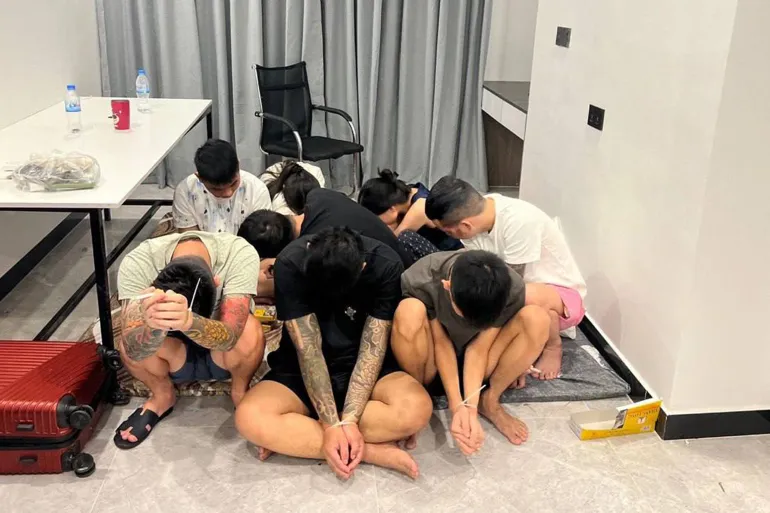
The event followed coordinated rescue missions involving NAPTIP, the Ministry of Foreign Affairs, the Nigerian Embassy in Bangkok, and the UK-based NGO EDEN. Their joint efforts, including field operations near the Thai–Myanmar border and welfare support at Bangkok’s Immigration Detention Centre, led to the safe return of 23 Nigerian nationals earlier this month.

According to global estimates, tens of thousands are currently trapped in forced scam operations across Southeast Asia, with victims originating from over 60 countries. The crisis highlights the transnational and technology-driven nature of modern human trafficking.
UK Deputy High Commissioner in Abuja, Gill Lever, described the survivors’ testimonies as courageous and vital to prevention efforts. “Their bravery in speaking out will help expose criminal networks that exploit vulnerability. The UK stands with Nigeria to ensure survivors receive care and that perpetrators are held accountable,” she said.

Representing NAPTIP, Director of Public Enlightenment Mrs. Kehinde Akomolafe reaffirmed Nigeria’s commitment to preventing trafficking, prosecuting offenders, and protecting victims. “These operations strip victims of their dignity, freedom, and identity. We remain dedicated to dismantling these networks,” she stated.
Survivors detailed being promised legitimate, high-paying jobs overseas, only to be forced into fraudulent online activities in guarded facilities. One recounted, “I thought I was traveling for opportunity. Instead, I was trapped and forced to act against my conscience. I am sharing my story so others can recognize the warning signs.”

Authorities at the forum stressed the importance of public awareness campaigns, cross-border intelligence sharing, and enhanced digital literacy to prevent recruitment via social media and online job portals. They warned that scam centres represent a rapidly growing form of modern slavery, combining cybercrime with human exploitation.
The engagement marked a renewed commitment by Nigeria and the UK to confront the crisis, prioritize survivor protection, strengthen international collaboration, and prevent vulnerable Nigerians from falling prey to deceptive overseas opportunities.




