

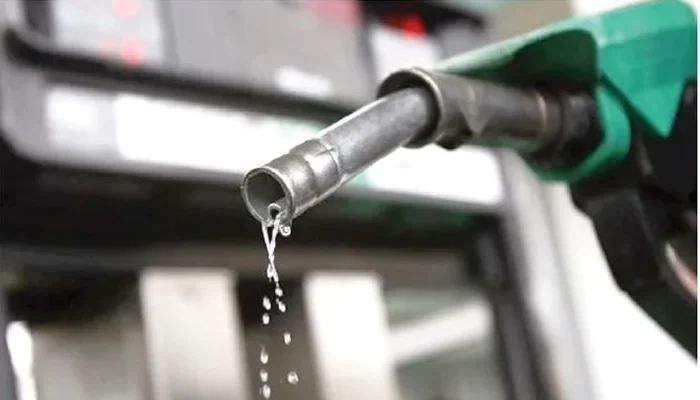
Petroleum product marketers have called on the Federal Government to provide crude oil to the Dangote Petroleum Refinery and other local refineries at subsidised rates, arguing that this is the only way to protect Nigerians from sudden petrol price hikes.
The Independent Petroleum Marketers Association of Nigeria (IPMAN) urged the government to subsidise crude oil supplied to domestic refiners to prevent sharp increases in pump prices. The association specifically appealed to President Bola Tinubu to extend the naira-for-crude arrangement to other modular refineries across the country.

The call comes after the Dangote refinery recently raised its petrol price, pushing the pump price to N839 per litre at MRS and other filling stations. This followed a surge in global crude oil prices above $70 per barrel, fueling fears that petrol prices could reach N1,000 per litre, particularly in areas far from refineries or major fuel depots.
IPMAN spokesman Chinedu Ukadike explained that subsidised crude oil is crucial to cushioning Nigerians against potential price shocks. He noted that crude prices, the main input for refineries, fluctuate constantly, directly affecting the cost of petrol, diesel, and other fuels.
Ukadike proposed that the Federal Government offer refineries a “special deal” on crude oil to act as a buffer, keeping domestic pump prices stable even when global prices rise. “We need to consider crude oil subsidy. The Federal Government can see how to subsidise crude oil being given to Dangote in naira,” he said.

According to him, a subsidy would prevent sudden increases in petroleum product prices, which often push up the cost of domestic goods and services. “The subsidy will ensure that there is no sudden increase in domestic goods and services. We are making this request now that the Federal Government should subsidise the crude oil it sells to Dangote and other refiners producing fuel locally,” he added.
IPMAN also noted that the recent request by Dangote refinery for marketers to top up payments by N100 per litre was due to the rising global crude prices. Last Monday, the refinery increased its gantry price from N699 to N799 per litre, roughly N70 above the landing cost of imported Premium Motor Spirit. Marketers who had completed payments at N699 per litre were later asked to top up before loading, following the withdrawal of the refinery’s temporary festive price support and the cancellation of previous loading authorisations.

Our correspondent reports that following the refinery’s price adjustment, most filling stations nationwide raised their pump prices. In Lagos, petrol prices ranged from N830 to N859 per litre, with the Nigerian National Petroleum Company Limited selling PMS at N849 per litre along the Lagos-Ibadan Expressway. MRS stations dispensed the fuel at N839 per litre, while some outlets sold slightly below that.
Ukadike said fuel sales have slowed compared to the December festive period, with many consumers now conserving fuel due to higher prices. “The market is becoming slow now, unlike in the festive season when the prices were low. People were filling their tanks then, but now, people are becoming conservative because of the price increase,” he said.
Although Brent crude settled at $69.32 per barrel on Sunday evening, Ukadike warned that petrol pump prices will remain under pressure unless global crude prices drop to around $60 per barrel. He emphasized that crude prices and exchange rates are the main factors determining fuel pricing in Nigeria.

Ukadike further cautioned that if global crude prices continue to rise, petrol could hit N1,000 per litre in areas far from fuel depots. He added that the increasing cost of crude oil is also affecting marketers by reducing their purchasing power. “Crude oil is important in refining petroleum products; once it goes up, the prices of petroleum products will also go up. The only problem is that it is also giving us pressure in terms of our purchasing power because too much naira is now pursuing a few litres of petroleum products,” he explained.




