

The ongoing banking recapitalisation exercise in Nigeria is expected to see total capital raised reach around N6 trillion, as financial institutions work to complete special placements and rights issues before the March 31 deadline.

Industry insiders noted that banks still have over N1.5 trillion in pending capital-raising deals, with most expected to close before the exercise concludes at the end of the month. While public offer approvals are reportedly up to date, many banks are relying on private placements to existing shareholders, strategic investors, institutional holders, and high-net-worth individuals to meet their targets.

Some banks are using a ‘close and tender’ approach to finalise equity deals ahead of regulatory approval, supported by prior resolutions that allow various methods of fund mobilisation.
The Central Bank of Nigeria (CBN) has indicated that the March 31 deadline may not apply to Polaris Bank, Union Bank of Nigeria, and Keystone Bank, which are currently under regulatory intervention.
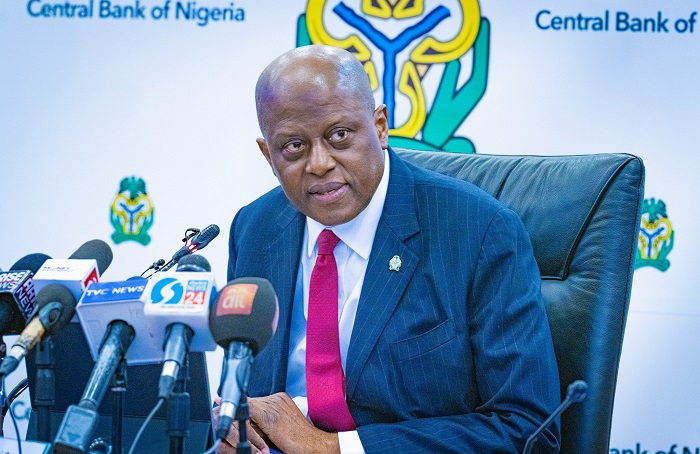
CBN Governor Olayemi Cardoso reported that as of February 19, verified and approved capital raised by banks stood at N4.05 trillion, with N2.90 trillion (71.6%) sourced domestically and $706.84 million (28.33%) from foreign investors. Twenty banks have fully met their new minimum capital requirements, while thirteen others are in advanced stages of fund mobilisation.

Despite stricter “fit and proper” requirements for major equity stakes, investor appetite for strategic banking investments remains strong. According to industry sources, the fund-raising market continues to be active, with several deals expected to close in the coming weeks.
Under the recapitalisation guidelines, new equity funds must undergo capital verification before the allotment proposal is cleared and funds are released for inclusion in the bank’s capital base. The verification process involves a tripartite committee including the CBN, the Securities and Exchange Commission (SEC), and the Nigeria Deposit Insurance Corporation (NDIC).
 Experts have supported the CBN’s decision to give special consideration to banks under regulatory intervention, citing performance evaluation, systemic risk management, and orderly exit strategies as key factors. Analysts also highlight that institutions like Polaris Bank, with steady profitability and operational awards, have a strong chance of full recapitalisation as standalone entities.

In March 2024, the CBN updated the minimum capital requirements for various bank categories. Mega banks now require N500 billion, nationally licensed commercial banks N200 billion, and regionally licensed commercial banks N50 billion. Merchant banks must maintain N50 billion, non-interest banks with national licenses N20 billion, and regional non-interest banks N10 billion. The 24-month compliance period concludes on March 31, 2026.




