

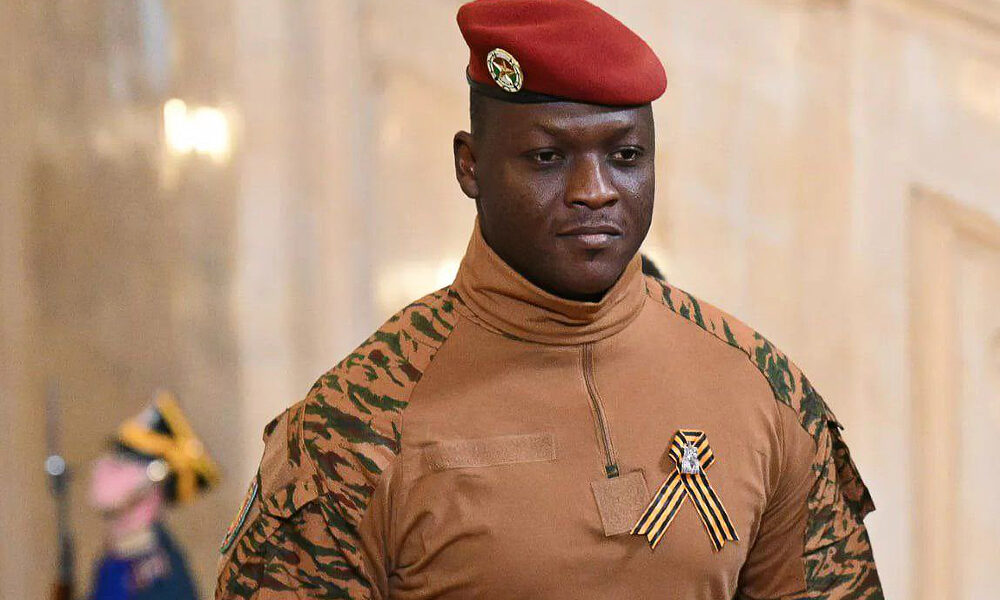
Burkina Faso’s interception of a Nigerian C-130 was a technical emergency misread as a hostile act. The aircraft was on a scheduled Lockheed-managed ferry flight to Portugal for heavy maintenance when a fault forced diversion to Bobo-Dioulasso. In such contractor-run arrangements, routing and clearances are handled at technical and diplomatic levels, so limited knowledge by the crew and initial public caution from Abuja are procedurally normal, not evidence of bad faith. Crucially, after interrogations and inspection of the aircraft, Captain Traoré’s government released both the soldiers and the plane without charge. No state frees proven infiltrators with their asset. That decision itself confirms there was no hostile intent by Nigeria, only an emergency unfairly politicised after the fact.
The National Patriots.
For full report, details, visit: www.headlinenews.news

The December interception of a Nigerian Air Force C-130 Hercules in Burkina Faso generated intense speculation across West Africa, driven largely by political tensions between the Alliance of Sahel States (AES) and ECOWAS. A clear, factual review of events shows the incident was the result of a routine technical emergency later amplified into a geopolitical dispute. Both the Nigerian soldiers and the aircraft have since been released—confirmed by Captain Ibrahim Traoré and Nigeria’s Minister of Defence—demonstrating that no wrongdoing or hostile intent was established.
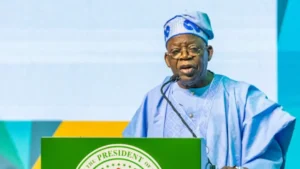
Overview of Traoré’s Address to the Burkinabè Public
In his national broadcast following the incident, Captain Traoré framed the event as a matter of sovereignty and vigilance. He stated that the Nigerian transport aircraft entered Burkinabè airspace “without valid authorisation” and that its declared purpose did not fully align with the flight path and preliminary statements given by the crew. Traoré further argued that “inconsistencies” arose during questioning and criticised what he described as Abuja’s “concerning silence” in the early hours of the diplomatic exchange. He emphasised that AES countries would no longer tolerate unexplained military movements in their airspace, invoking regional security threats and recent tensions within ECOWAS.
However, despite the firm tone of his address, Traoré conceded publicly that Burkina Faso found no evidence of espionage, covert operations, or hostile activity. He acknowledged that the crew cooperated fully and conducted themselves professionally. Ultimately, he authorised the release of all detained personnel and the aircraft. That decision—made after direct interrogation and inspection—stands as the most authoritative indicator of the true nature of the incident.
Factual Reconstruction of the Nigerian Mission
The C-130 in question was on a scheduled ferry flight to Portugal for heavy maintenance. Nigeria’s ageing Hercules fleet regularly undergoes deep overhauls abroad due to the specialised equipment and licensing required for such work. In this case, Lockheed Martin, as the original manufacturer and contracted maintainer, arranged the maintenance timeline, routing, and logistical structure. These contractual arrangements are standard in military aviation and do not require full political oversight for every segment of the journey.
Shortly after takeoff from Lagos, the crew detected a technical fault that required immediate diversion. Bobo-Dioulasso was the nearest safe airfield, fully consistent with international aviation emergency procedures. Declaring an in-flight emergency obliges host states to prioritise safety over paperwork disputes; the Nigerian crew followed that protocol.
The soldiers on board were not special forces, covert operatives, or part of any regional operation. They were maintenance, logistics, and flight personnel accompanying the aircraft to its servicing destination.


Assessment of Traoré’s Accusations
1. Alleged Sovereignty Violation
Traoré’s claim that the aircraft lacked proper authorisation must be seen alongside the technical realities of emergency aviation. Even if an overflight notification was delayed, incomplete or improperly transmitted, that constitutes a procedural error, not evidence of hostile intent. Emergencies supersede procedural clearance, and no regional air force treats emergency diversions as acts of aggression.
2. Alleged Suspicious Inconsistencies
Any perceived inconsistencies during interrogation are fully explained by the commercial nature of the maintenance contract. Flight crews seldom possess granular contractual details. Their job is to fly the aircraft safely, not brief foreign authorities on corporate-level maintenance logistics. Lockheed—not the Nigerian federal government—coordinated the servicing arrangements, making limited crew knowledge entirely normal.
3. Criticism of Abuja’s Silence
Nigeria’s initial diplomatic caution was standard crisis management:
verify technical details with the Air Force,
establish secure communication channels with Burkina Faso,
avoid statements that might escalate tensions.
Interpreting silence as guilt overlooks how responsible governments manage aviation and military incidents.
4. The Release of the Aircraft and Personnel
This is the decisive point. If Burkina Faso had discovered any evidence supporting Traoré’s suspicions, the soldiers would have been detained, charged, or publicly displayed as proof of attempted aggression. Instead, Traoré cleared them to return home. No state releases infiltrators with their aircraft. His action directly contradicts the severity of his rhetoric.

Nigeria’s Goodwill and Regional Intentions
Nigeria has consistently supported regional stability—from peacekeeping in Liberia and Sierra Leone to recent assistance requested by Benin. Abuja gains nothing from destabilising Burkina Faso; doing so would worsen terrorism spillover into Nigeria’s northern territories. Nigeria’s operational history shows a pattern of supporting African neighbours, not undermining them.
The C-130 incident aligns with Nigeria’s long-standing conduct: transparent military operations, adherence to international aviation norms, and respect for neighbouring states.
Conclusion
Traoré’s speech reflected regional political tension more than verifiable threat. Once the aircraft and crew were examined, Burkina Faso released them—proving that Nigeria acted in good faith, that the mission was legitimate, and that no hostile activity occurred. The event was a technical emergency inflated by suspicion, not a violation of sovereignty. Nigeria remains committed to regional peace, cooperation, and constructive engagement with all African partners, including Burkina Faso.

Dr. G. Fraser. MFR
The National Patriots.



