

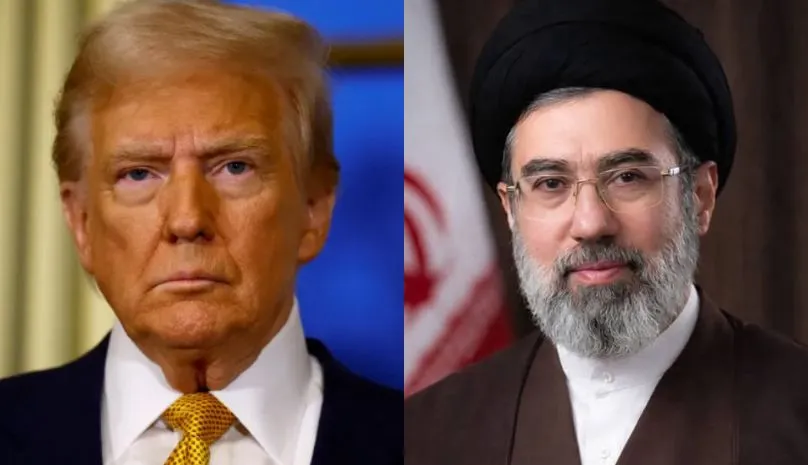
The United States and Iran have agreed to a two-week ceasefire, narrowly avoiding further escalation just before a deadline set by Donald Trump for major military strikes.

The temporary truce pauses a deadly conflict that has claimed thousands of lives across the Middle East since late February, following coordinated attacks by the US and Israel, which triggered widespread retaliation from Iran. The agreement, facilitated through diplomatic efforts by Pakistan, includes reopening the Strait of Hormuz—a key passage for global energy supplies that had been blocked since the conflict began.

Trump confirmed that negotiations were progressing based on a 10-point proposal from Iran, which he described as a strong foundation for reaching a lasting peace deal. The ceasefire is tied to Iran allowing safe passage through the strait during the negotiation period.

Iran’s Foreign Minister, Abbas Araqchi, stated that Tehran would suspend its counterattacks and ensure shipping routes remain open, although operations would still be overseen by Iranian forces.
Reports indicate that Iran’s proposed terms include lifting international sanctions, withdrawing US troops from the region, halting attacks on Iranian allies, and placing any final agreement under a binding United Nations resolution. The plan also reportedly outlines limits on uranium enrichment and allows international inspections of nuclear facilities.

Despite the agreement, both sides have presented the outcome as a victory. Trump described it as a complete success for the US, while Iranian officials insisted the development reflected a retreat by Washington.
Pakistan’s Prime Minister, Shehbaz Sharif, played a key role in securing the ceasefire, urging both sides to allow diplomacy more time. He has also proposed follow-up peace talks in Islamabad, which Iran has agreed to attend.

The ceasefire is expected to ease pressure on global oil markets, with millions of barrels of crude currently stranded due to the blockade. Reopening the Strait of Hormuz could restore the flow of energy supplies worldwide.
The conflict has resulted in heavy casualties across several countries, including Iran, Lebanon, Iraq, Israel, and others, highlighting the widespread impact of the war.




