

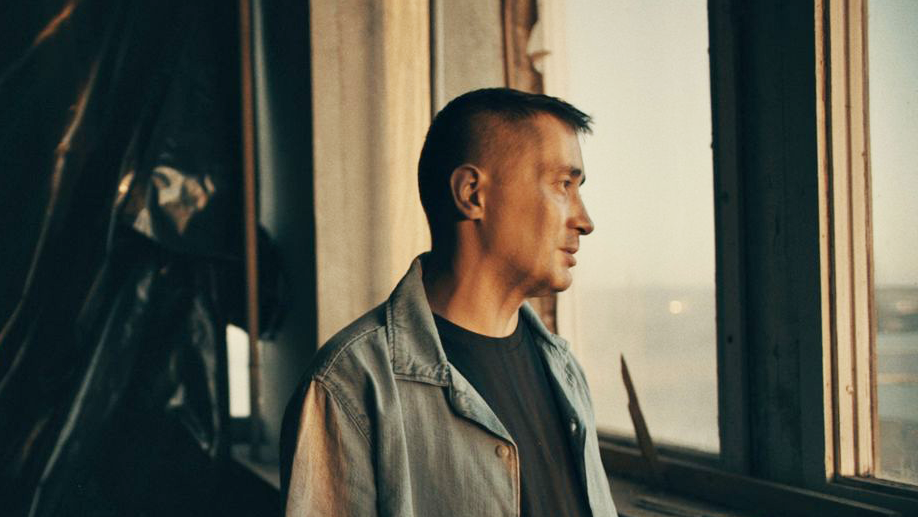
Four Russian soldiers have spoken about the extreme violence and brutal conditions they faced on the front lines in Ukraine, revealing that commanders ordered executions of their own men for refusing orders.

One soldier described seeing a fellow soldier shot on the spot by his commander, who had been awarded the title “Hero of Russia” in 2024. “I see it—just two metres, three metres… click, clack, bang,” he said. Another soldier recalled witnessing his commander personally execute four men he knew, despite their pleas.

The soldiers described seeing around 20 bodies of their comrades lying in a pit, a punishment known as being “zeroed,” Russian military slang for executing fellow soldiers. The men said they were also subjected to torture for refusing to participate in near-suicidal assaults, called “meat storms,” designed to wear down Ukrainian forces.

One soldier, Ilya, a former teacher from the Ural Mountains, said he was mobilized with 78 men in 2024. Many were sent straight to the front line. He described seeing four men shot at close range by a commander for attempting to flee, despite their pleas. Ilya also detailed being tortured himself, tied to a tree, beaten, and humiliated for refusing to join an assault.
Another soldier, Dima, described witnessing repeated executions by his commander, Alexei Ksenofontov, who was awarded the Gold Star and named “Hero of Russia” in 2024. He described seeing men executed, sometimes for their bank cards, and witnessing bodies of 20 men dumped in a ditch after being shot.

The soldiers said the Russian military’s “meat storm” tactic involved sending wave after wave of men into combat, often unarmed, in what they likened to suicide missions. “You send three guys, then another three… eventually you will break through,” Dima explained, recalling that his regiment suffered 200 casualties in just three days during their first meat storm.
Denis, another former soldier, shared accounts of extreme humiliation, showing videos of accused deserters being urinated on and describing soldiers being starved or electrocuted. He said such treatment had become normalized in the Russian army, with little to no punishment for commanders.

The soldiers also recounted witnessing widespread psychological trauma among troops. Ilya described mental scars and nightmares, while Dima spoke of the physical and emotional toll of daily torture over 72 days in a makeshift prison after refusing to send men on meat storms.
All four men are now outside Russia but remain deeply affected by their experiences. They described the Russian military as a system that punishes dissent and dehumanizes those who refuse to participate in brutal tactics, leaving lasting scars on the soldiers forced to endure them.




