

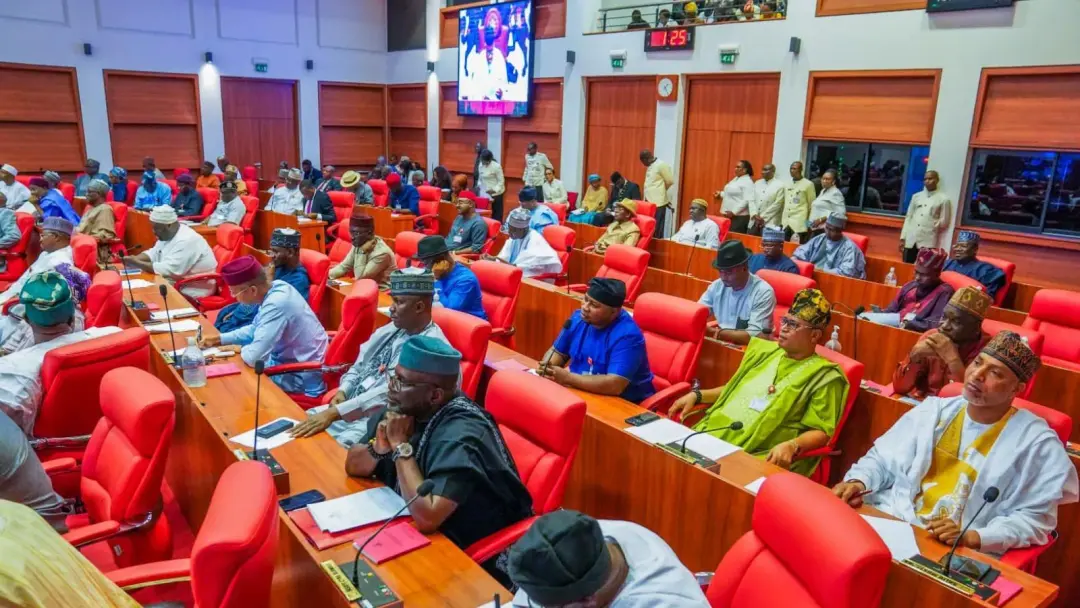
The Nigerian Senate has initiated fresh deliberations aimed at increasing the proposed budget of the Independent National Electoral Commission (INEC) for the 2027 general elections by an additional ₦30 billion.
Sources within the National Assembly indicate that the Senate Committee on Electoral Matters is pushing for the upward review, citing emerging logistical realities and inflation-driven operational costs.
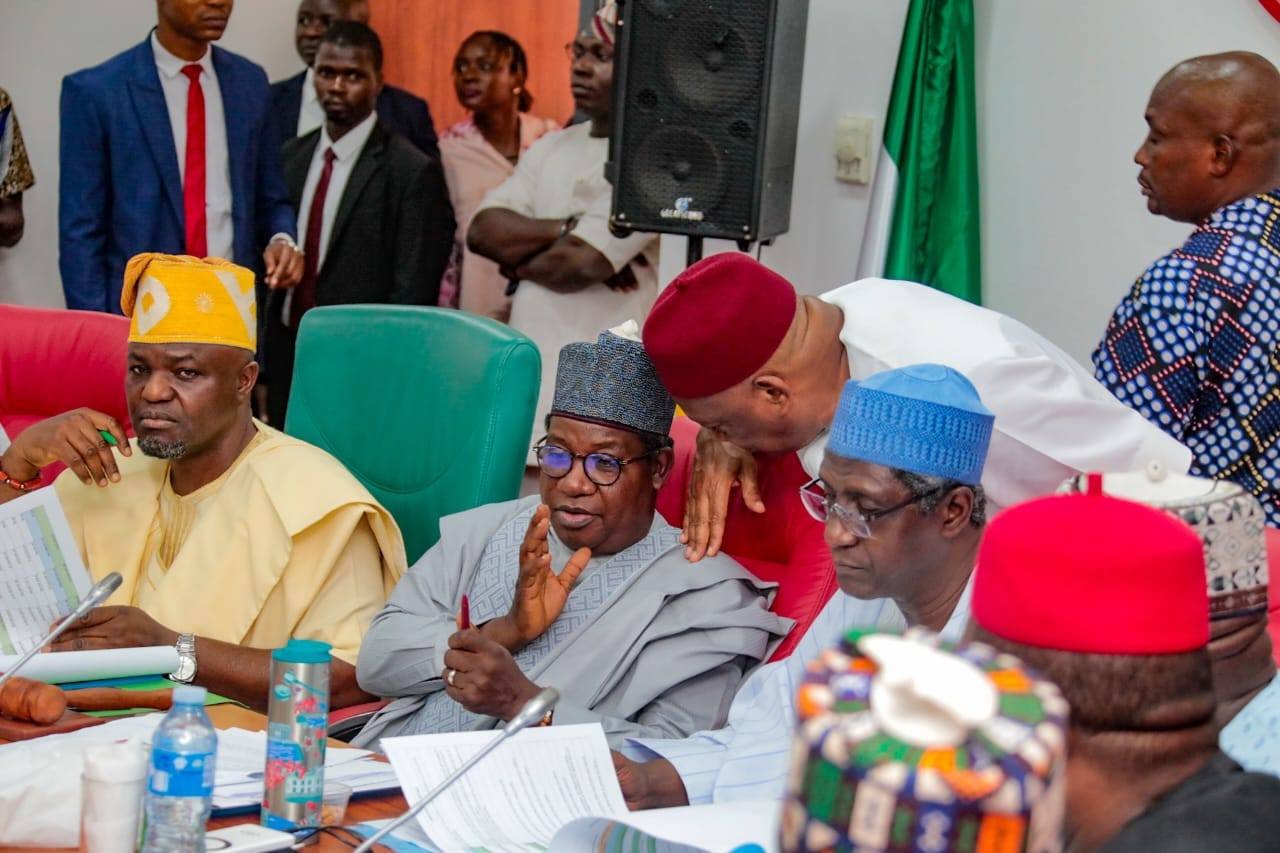
INEC had earlier projected approximately ₦873 billion as its estimated requirement to conduct the 2027 general elections — a figure that already sparked public debate over the rising cost of democracy in Africa’s largest electoral system.
Why the Increase?
Lawmakers familiar with the committee’s position argue that logistics remain the single most expensive component of Nigeria’s electoral process.
These include:
Nationwide deployment of personnel across 36 states and the FCT.
Transportation of sensitive and non-sensitive materials.
Security coordination across volatile areas.
Technological infrastructure for result transmission.
Fuel and mobility costs amid fluctuating energy prices.

With over 176,000 polling units nationwide and an expanding voter register expected ahead of 2027, senators reportedly believe the original projection may no longer sufficiently cover operational contingencies.
A ranking member of the committee, who spoke on condition of anonymity, said: “We must avoid underfunding the electoral body. Logistics failures damage credibility more than anything else.”
Rising Cost of Elections.
Nigeria’s electoral expenditure has grown steadily over the last three election cycles.
Analysts attribute this trend to inflation, security challenges, technological upgrades, and population growth.

The 2023 elections, though technologically ambitious with the introduction of electronic accreditation and result transmission systems, faced criticism in some quarters over logistical delays in certain states.
The Senate’s latest move appears aimed at preventing a repeat of those operational bottlenecks.
Fiscal Pressure and Public Scrutiny
However, the proposed increment comes at a time when Nigeria is grappling with fiscal constraints, subsidy reforms, debt servicing pressures, and demands for increased social spending.

Public finance experts argue that while credible elections are foundational to democracy, cost efficiency must also be prioritised.
Political economist Dr. Ayo Balogun told Headlinenews.news: “Election credibility is non-negotiable. But transparency in procurement, early planning, and digital optimisation can reduce last-minute cost escalations.”
What Happens Next?
The proposed ₦30 billion increment is expected to undergo further legislative scrutiny during budget harmonisation processes between the Senate and the House of Representatives.
INEC officials have not publicly commented on the Senate’s fresh proposal as of press time.
If approved, the new allocation would push the commission’s projected 2027 election expenditure beyond ₦900 billion — setting a new benchmark for electoral spending in Nigeria’s democratic history.

The Bigger Question
As 2027 approaches, the core issue extends beyond figures: can increased funding guarantee improved efficiency, transparency, and voter confidence?
For many Nigerians, the answer will depend not just on budget size, but on execution.

The National Patriots Movement notes the Senate’s proposal to increase INEC’s 2027 election budget by ₦30 billion, stressing that credible elections are the backbone of democratic stability. While logistics realities justify proactive planning, transparency and cost efficiency must remain paramount. Nigerians deserve elections that are technologically reliable, secure, and professionally executed. Increased funding must translate into improved coordination, reduced delays, and strengthened public confidence — not merely higher expenditure.
Dr. Imran Khazaly
Headlinenews.news Special Investigative Report.




