

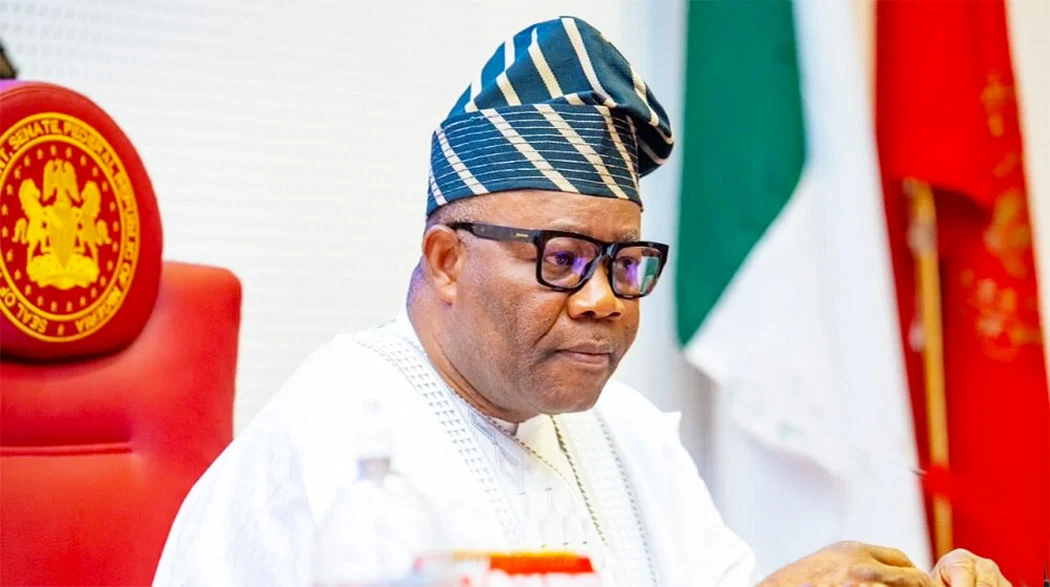
The Nigerian Senate is holding an emergency plenary session on Tuesday amid widespread public outrage over its handling of amendments to the Electoral Act, particularly the controversial removal of the clause requiring real-time electronic transmission of election results.
The extraordinary session, convened just days after the passage of the Electoral Act Amendment Bill, 2026, comes as pressure intensifies from civil society organisations, labour unions, opposition figures, professional bodies, regional leaders, and a growing youth movement protesting at the National Assembly.

Senate President Godswill Akpabio is expected to preside over the session, which will include the remaining 105 senators, following the recent deaths of two senators and the ambassadorial appointment of another, reducing membership from 109 to 106.
The emergency session was officially announced on Sunday by Senate Clerk Emmanuel Odo, with proceedings set to commence at 12 noon.
Public backlash has been intense since the Senate removed the term “real-time” from the electronic transmission provisions, sparking distrust and anger that saw senators personally targeted on social media with threats and verbal attacks. Despite clarifications from Senate leaders that electronic transmission was not rejected entirely, critics argue the change opens the door for potential post-election manipulation.

The Nigeria Labour Congress warned of nationwide protests and possible boycotts if the Senate fails to restore mandatory real-time electronic transmission. Similarly, the Movement for Credible Elections organised a protest tagged “Occupy NASS,” with former presidential candidate Peter Obi joining demonstrators to demand the protection of electoral safeguards ahead of the 2027 general elections.
Obi told journalists that the erosion of democratic gains must stop, while leaders of the Obidient Movement vowed ongoing demonstrations until lawmakers reinstate real-time electronic transmission. Popular activist Randy Peters warned that protests would continue, invoking the spirit of the historic June 12, 1993 election to demand credible polls in 2027.

Civil society groups, including the Kukah Centre and Yiaga Africa, have given the National Assembly two weeks to finalise the amendments and retain mandatory real-time transmission. They also urged the Independent National Electoral Commission (INEC) to release the timetable for the 2027 elections. TAF Africa’s founder, Jake Epelle, stressed that legislators must prioritise national interest over partisan politics and ensure that the final bill protects voters’ rights.
The Nigerian Guild of Editors warned that the Senate’s stance is creating mistrust in the electoral process and could discourage voter participation. Regional leaders from the Southern and Middle Belt Leadership Forum also called for retention of compulsory real-time transmission, describing any dilution as an attack on democracy.
Human rights lawyer and Senior Advocate of Nigeria, Ebun-Olu Adegboruwa, described electronic transmission as non-negotiable, stating that the National Assembly must act to meet citizens’ expectations in a 21st-century democracy.

The Movement for Credible Elections, led by Dr. Usman Bugaje, Prof. Pat Utomi, and Ayuba Wabba, backed nationwide protests to compel lawmakers to uphold critical electoral reforms. Utomi warned of dire national consequences if electoral accountability is not ensured, describing the protests as a peaceful defence of the popular will.
At the centre of the dispute is Section 60 of the Electoral Act Amendment Bill, which mandates presiding officers to upload election results to INEC’s IReV portal. The Senate opted to retain the discretionary framework of the 2022 Act, while the House of Representatives continues to support mandatory real-time transmission. With a joint conference committee set to meet this week, today’s emergency plenary is seen as a defining moment for Nigeria’s democracy.

For many citizens, the issue has moved beyond technical debate to a fight for the integrity of the nation’s electoral process, as captured by one protester’s placard: “Democracy dies when votes are stolen.”



