

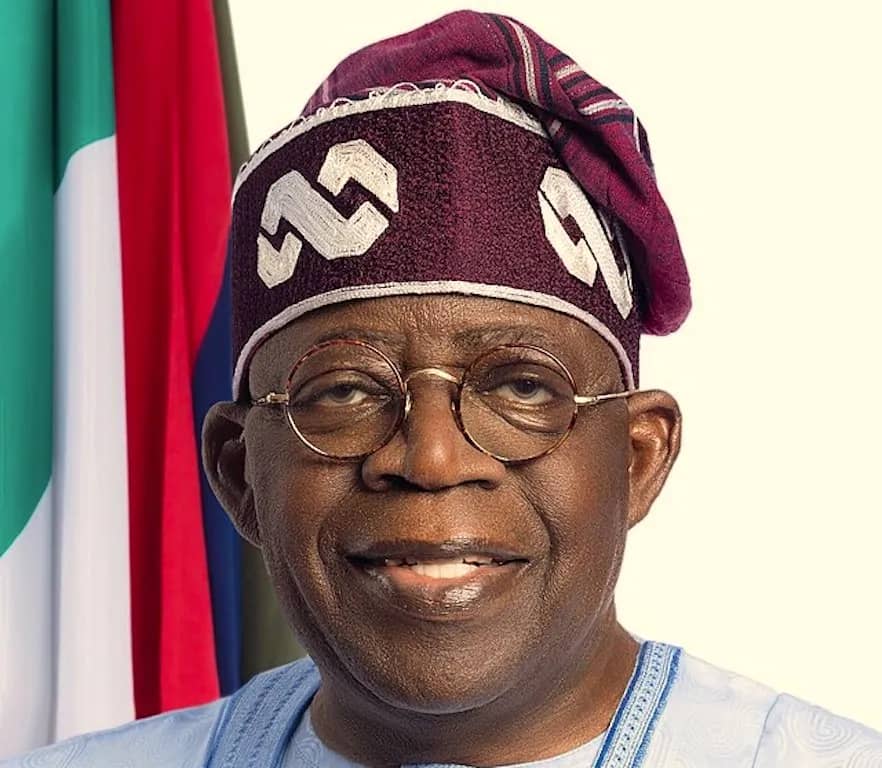
President Bola Ahmed Tinubu has expressed deep concern over Nigeria’s security challenges, admitting that terrorism and banditry continue to trouble him and millions of citizens across the country. Despite this, the president reaffirmed his confidence that Nigeria will ultimately overcome these threats, stressing that such acts are unacceptable and contrary to the nation’s values.

Tinubu spoke at the opening of the Second National Economic Council (NEC) Conference held at the State House Conference Centre in Abuja, where he assured Nigerians that his administration remains fully committed to strengthening the nation’s security architecture and restoring peace in troubled areas.
He said the government was introducing seven zones of mechanisation and intensifying efforts to boost the capacity of security agencies, noting that insecurity had become a shared burden keeping leaders and citizens awake at night. According to him, terrorism and banditry are foreign to Nigeria’s culture and would be defeated through determination and resilience.

The president described insecurity as a major obstacle to economic growth and called for collective action to find swift and lasting solutions. He commended governors, particularly those of Borno, Katsina and Kaduna states, for their efforts in safeguarding lives, property and national unity.
Welcoming governors, ministers, lawmakers, development partners and private sector leaders to the two-day conference, themed “Delivering Inclusive Growth and Sustainable National Development: The Renewed Hope National Development Plan 2026–2030,” Tinubu described the gathering as evidence of shared commitment to national development. He praised the National Economic Council, chaired by Vice President Kashim Shettima, for serving as a key platform for economic coordination and policy dialogue.

Highlighting achievements recorded so far, Tinubu said economic reforms introduced by his administration had stabilised the economy and restored global confidence. He noted that Nigeria’s monetary policy reforms had gained international recognition and commended the Central Bank Governor, Yemi Cardoso, for rebuilding trust in the financial system.
The president added that states and local governments were now receiving higher and more predictable federal allocations, enabling them to pay salaries, invest in infrastructure and improve social services. He also said priority had been given to infrastructure development in transportation, power, housing, digital connectivity and irrigation, alongside expanded social investment programmes targeting vulnerable groups.

Tinubu explained that the Renewed Hope National Development Plan 2026–2030 marked a new phase in Nigeria’s development journey, focusing on inclusive, resilient and environmentally sustainable growth. He stressed that successful implementation would depend largely on state and local governments, making NEC critical in aligning national goals with grassroots realities.
Vice President Kashim Shettima, in his keynote address, urged governors and public officials to pursue inclusive growth that directly impacts the daily lives of Nigerians. He described the NEC conference as a continuation of the government’s covenant with the people, emphasising that development must offer equal opportunities regardless of location.
Shettima praised President Tinubu’s leadership, noting that the administration had demonstrated sincerity in insulating Nigeria’s economy amid global geopolitical and economic pressures. He said the conference aimed to align federal and state strategies with national development plans, strengthen regional collaboration, promote fiscal sustainability and ensure that NEC resolutions translate into tangible outcomes.

Representing the Chairman of the Nigeria Governors’ Forum, Ogun State Governor Dapo Abiodun described NEC as the “engine room” of economic leadership, stressing the critical role of states in driving macroeconomic outcomes through disciplined reform implementation.
Development partners also called for stronger collaboration between government and the private sector, while participants agreed that Nigeria’s progress would depend on coordinated execution across federal, state and community levels, with inclusiveness and fiscal discipline remaining central themes.



