

The Federal Government has approved the implementation of the 2026 Fiscal Policy Measures (FPM), introducing sweeping changes to import duties and tariff structures aimed at stimulating economic growth and reshaping trade flows.
According to a circular dated April 1, 2026, and signed by the Minister of Finance and Coordinating Minister of the Economy, Wale Edun, the new policy replaces the 2023 fiscal framework and introduces revised tariff rates across multiple sectors.
The government said the updated policy includes a national list of 127 tariff lines with reduced import duty rates targeted at boosting productivity in key areas of the economy.

One of the key adjustments is the reduction of import adjustment tax on crude palm oil to 28.75 percent, down from previous higher rates. Similarly, fully built passenger vehicles, four-wheel drives, and station wagons will now attract a 40 percent tariff, reduced from 70 percent under the 2015 regime.
The policy also grants a 90-day grace period for importers who had opened Form ‘M’ before April 1, allowing them to clear goods at existing rates.
However, a new excise duty regime alongside a proposed green tax surcharge is expected to take effect from July 1, 2026.
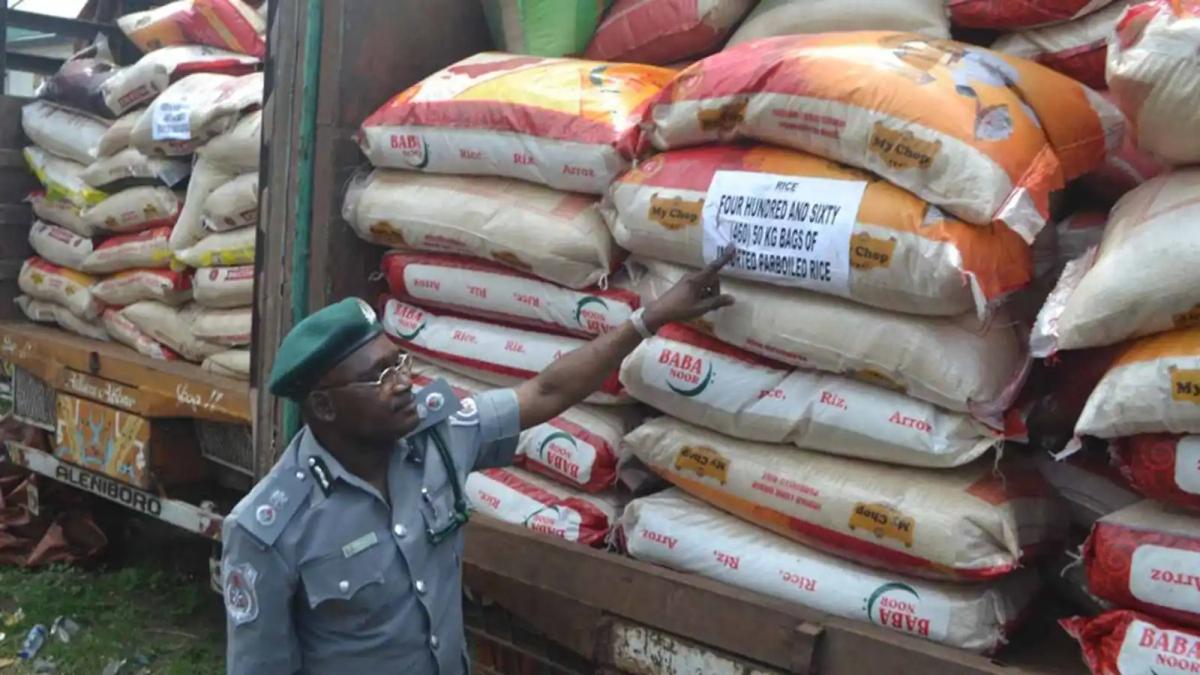
Under the revised structure, several essential goods and industrial inputs have been assigned updated tariff rates. Items such as anti-malarial medicines will now attract 20 percent duty, while rice imports above 5kg packaging have been reduced to 47.5 percent. Broken rice has also been adjusted downward to 30 percent.

Other key items include wheat flour at 70 percent, refined salt at 55 percent, and sugar-related products ranging between 55 and 57.5 percent, depending on classification.
Industrial materials such as steel products, ceramic tiles, and construction inputs also saw adjustments, with several categories reduced to between 35 and 46.25 percent. Meanwhile, machinery and equipment used in agriculture, manufacturing, and healthcare have largely been reduced to between 0 and 10 percent to encourage industrial expansion.
In the transport and logistics sector, cargo ships above 500 tonnes, railway locomotives, and certain medical equipment will now attract zero to minimal import duties under the new policy.
The government also clarified that the proposed green tax surcharge will not apply to electric vehicles, vehicles below 2000cc, mass transit buses, and locally manufactured vehicles.
Officials say the new fiscal framework is designed to balance revenue generation with economic competitiveness, while also encouraging local production and reducing dependence on imports.




