

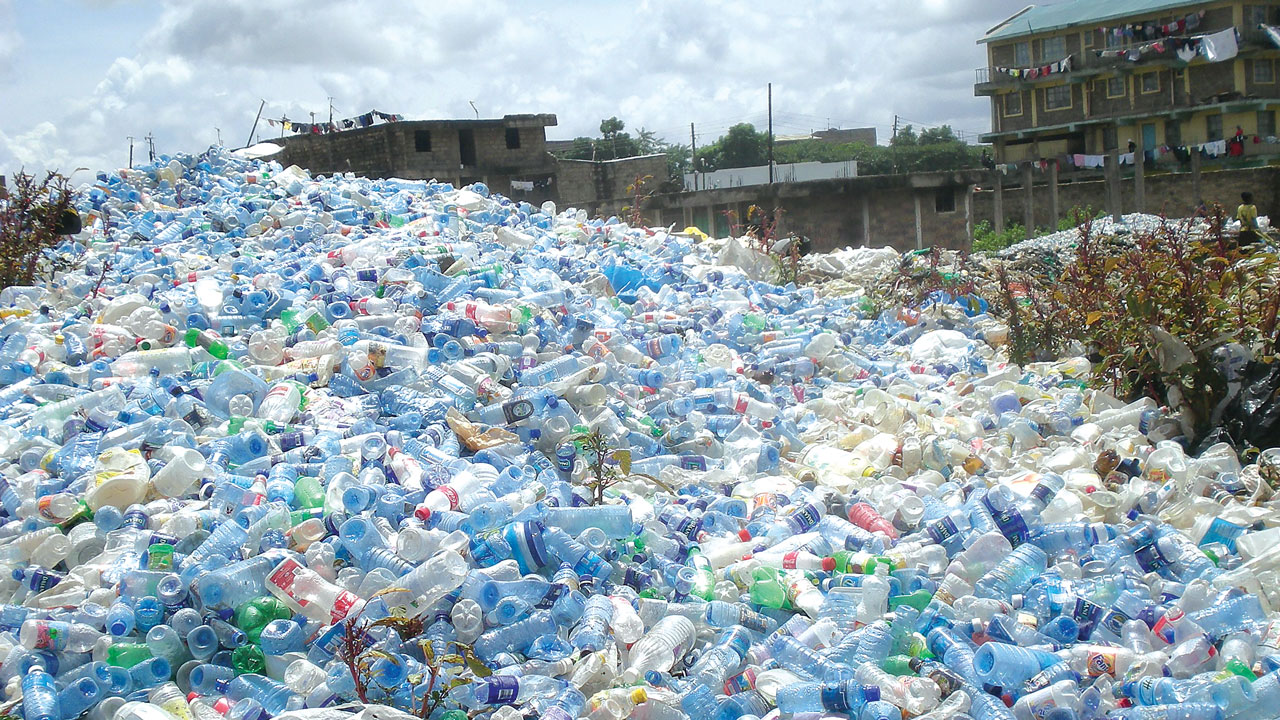
Lagos generates about 13 million tonnes of waste yearly — a burden that experts say could be turned into a $2.5 billion annual industry if 70 per cent of recyclable materials were recovered.

According to waste management specialists, recycling, composting, and energy conversion could yield between ₦60 billion and ₦100 billion yearly if just 20–30 per cent of waste is recovered. PET plastics alone could generate up to ₦58 billion annually, while scrap metals, paper, and organic waste could add tens of billions more.
Head of Operations at Polysmart Group, Ikenna Abanonu, said the waste market remains largely untapped due to limited infrastructure, inconsistent policies, and weak enforcement. He urged the government to expand financing, integrate informal waste collectors, and promote public awareness to unlock the sector’s full potential.
The Lagos State Government is already partnering with private firms to drive the shift to a circular economy. Projects include a 60–80 MW waste-to-energy plant in Epe, an e-waste recycling initiative, and a biogas programme supported by Sweden. These efforts aim to convert waste into electricity, fuel, and biofertiliser while reducing landfill pressure and emissions.

LAWMA Managing Director, Dr Muyiwa Gbadegesin, said Governor Babajide Sanwo-Olu has approved a steering committee to accelerate the biogas project. Environment Commissioner Tokunbo Wahab added that the Epe plant, to be privately financed, could deliver a 12 per cent return over 20 years.
With over 80 per cent of landfill capacity nearly exhausted, officials say the reforms could turn Lagos from a city of refuse heaps into a model for sustainable urban living — where waste becomes wealth, energy, and opportunity.




