As the conflict disrupting global energy markets approaches its second month, US Secretary of State Marco Rubio has urged G7 nations to support efforts to reopen the vital Strait of Hormuz. He made the call ahead of a meeting of foreign ministers in France.
The strategic waterway, which handles about one-fifth of global oil and liquefied natural gas shipments during peacetime, has become a major pressure point in the ongoing crisis.
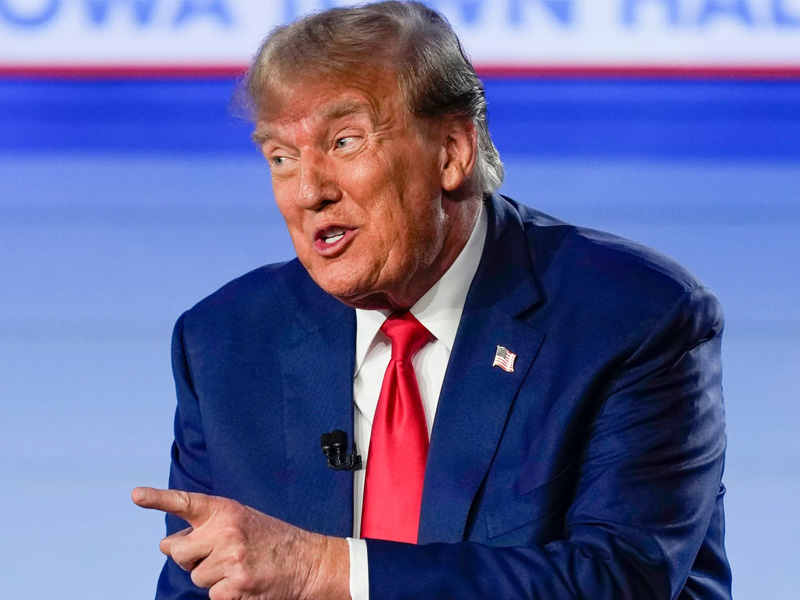
Former US President Donald Trump had earlier issued a 48-hour ultimatum to Iran to reopen the strait to oil tankers, threatening strikes on its power infrastructure. However, he has since extended the deadline twice, most recently pushing it to April 6, 2026.

In a statement, Trump said the delay followed a request from the Iranian government, adding that talks were progressing despite contrary reports.
Diplomatic efforts appear to be ongoing. Trump’s envoy, Steve Witkoff, disclosed that the US had presented Iran with a 15-point proposal through Pakistani intermediaries, with signs suggesting Tehran may be open to negotiations.
Iranian state media reported that Tehran has responded to the proposal, demanding war reparations and recognition of its sovereignty over the Strait of Hormuz. It also called for an end to US and Israeli military actions in the region.

Meanwhile, hostilities continue. Israel has reportedly carried out large-scale airstrikes targeting infrastructure in Tehran, while explosions were also heard in parts of Beirut linked to Hezbollah strongholds.
Iran, on its part, says it has launched missile and drone attacks targeting locations in Israel and US-linked military sites in the Gulf.
The war, which began on February 28 with US-Israeli strikes on Iran, has triggered a de facto closure of the Strait of Hormuz, sending oil prices higher and unsettling global markets.
The impact is already being felt worldwide. Japan is considering easing restrictions on coal-fired power plants to manage energy shortages, while Vietnam has temporarily removed environmental taxes on fuel to cushion rising costs.

The World Bank has warned that the longer the conflict drags on, the more severe the economic consequences will be, particularly if critical infrastructure continues to be damaged.
Despite the rising tensions, Trump has maintained that Iran is under pressure to reach a deal, though his remarks have alternated between threats of further military action and optimism about a diplomatic resolution.
Within Israel, concerns are also growing. Opposition leader Yair Lapid has warned that the war is stretching the military beyond its limits, accusing the government of engaging in a multi-front conflict without a clear strategy.
Israel has also indicated plans to extend military control into southern Lebanon, a move that has drawn criticism from Lebanese authorities, who say they will take the matter to the United Nations.
As the conflict intensifies, fears continue to grow over its broader implications for global energy supply, regional stability, and international security.