

Tom Fletcher, United Nations Under-Secretary-General for Humanitarian Affairs and Emergency Relief Coordinator, described the current situation in the Middle East as a “moment of grave peril” during remarks at the UN Headquarters Daily Press Briefing on March 6, 2026.

Fletcher highlighted the rapid escalation of multiple crises, with consequences spiraling beyond the control of those instigating the conflict. He pointed to increasing interconnections between these crises, massive daily spending—reportedly $1 billion—on destruction amid cuts to aid budgets, deadly advancements in technology enabling killing with impunity, and sustained attacks on international laws and humanitarian principles.

He called for an immediate cessation of hostilities, genuine dialogue, and negotiations in line with the UN Charter, urging calmer heads to prevail. Fletcher emphasized that civilians continue to bear the brunt of the consequences, with homes, hospitals, and schools being hit across the region.
Key humanitarian impacts include:
– Hundreds of thousands displaced, according to UNHCR.
– Over 190 children killed since the escalation, per UNICEF, including more than 180 in Iran, seven in Lebanon, three in Israel, and one in Kuwait.

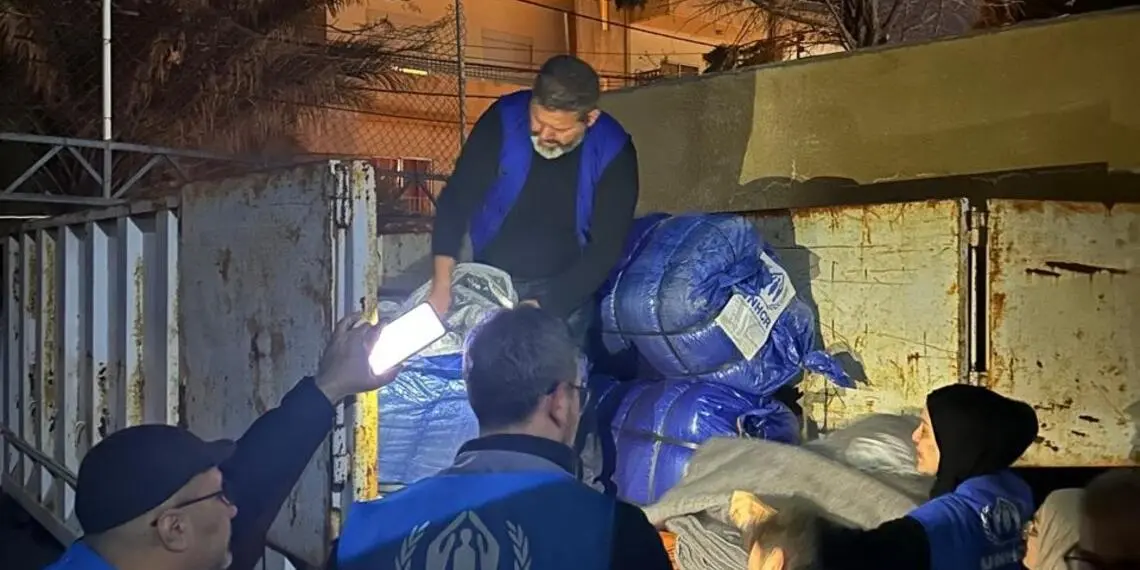
The UN and partners are fully mobilized, distributing food, medicine, shelter, hot meals, mattresses, blankets, and clean water. In Iran, authorities report over 1,000 deaths and damage to more than 100 civilian sites, with around 100,000 people internally displaced in the past week. Fletcher spoke with Iran’s Permanent Representative and reaffirmed UN readiness to assist civilians.

In Lebanon, more than 100 killed, hundreds injured, and around 100,000 seeking refuge in shelters. Even before the escalation, 874,000 people lacked food. Operations are scaling up, with plans to mobilize additional funding.
In Gaza, aid access remains severely restricted despite some reopenings. Fuel deliveries are far below minimum needs, medical evacuations are suspended, and key NGO partners face unacceptable restrictions.
In Afghanistan, dozens killed in border fighting, civilian infrastructure damaged, and over 16,000 families newly displaced amid border closures and flight suspensions.

Fletcher warned of three major knock-on effects:
1. Disruption of markets, supply chains, and food prices, with potential closure of the Strait of Hormuz severely impacting global oil flows and humanitarian supply access.
2. Reduced attention and resources for other crises in DRC, Sudan, South Sudan, Ukraine, and beyond.
3. Further erosion of international law, humanitarian principles, and global cooperation, diverting resources toward weapons instead of life-saving aid.

He stressed that humanitarian action is most needed in times of war and paid tribute to humanitarians working in dangerous conditions, calling for their protection.
In response to questions:
– The UN is preparing for a broader regional emergency, mobilizing staff, plans, and resources to address rising displacement and needs.
– In Iran, UNHCR and partners are monitoring closely, but the government has not yet requested additional support beyond current operations.
– A hypothetical $1 billion daily budget could save millions of lives, far exceeding current global humanitarian appeals.
– In Lebanon, efforts focus on shelter support, food aid, and assessments of new needs, while calling for de-escalation.
Fletcher reiterated the urgent need for de-escalation to prevent further civilian suffering and regional instability.




