

The Nigerian Senate has amended the Electoral Act to permit the electronic transmission of election results, following intense public debate and protests over an earlier rejection of mandatory real-time uploads.

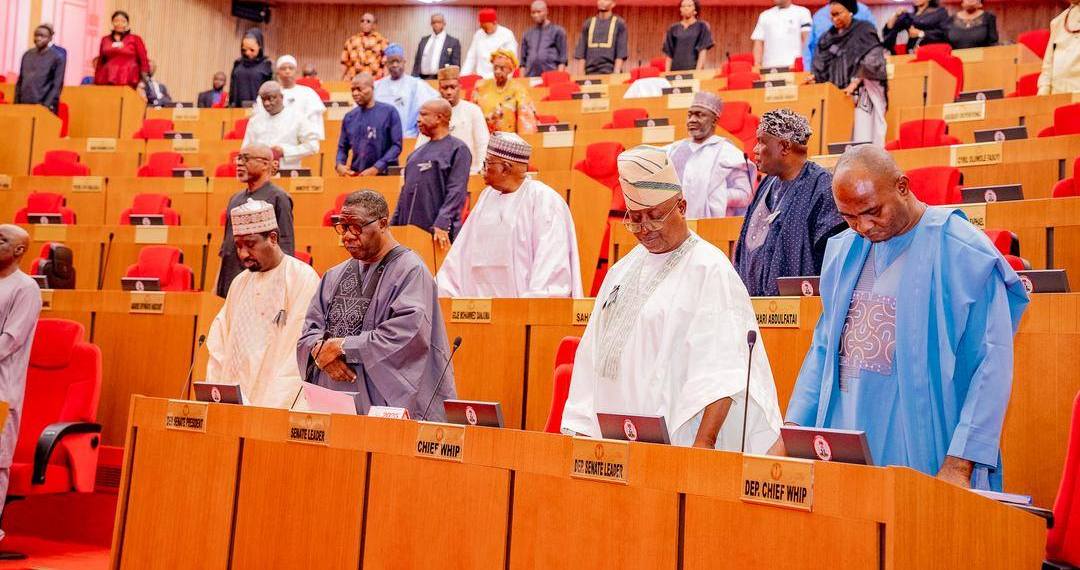
In an emergency plenary session on Tuesday, February 10, 2026, the upper chamber rescinded its prior decision that had removed mandatory electronic transmission from polling units to the Independent National Electoral Commission’s (INEC) Result Viewing Portal (IReV).
The amendment, moved by Senate Chief Whip Tahir Monguno (representing Borno North), allows presiding officers to transmit results electronically after completing, signing, and stamping Form EC8A. However, it includes a key condition: in cases of network or internet failure, the manual Form EC8A will serve as the primary document for result collation and declaration.

This change makes electronic transmission permissible and preferred but not strictly mandatory, providing a fallback to avoid disputes or disruptions during elections. Monguno explained that the reversal addressed emerging issues with Clause 60(3) of the Electoral Act (Repeal and Re-enactment) Bill 2026, aiming to support transparent, credible, and smooth polls while reflecting public sentiment amid widespread controversy.

The motion was seconded by Minority Leader Abba Moro and passed via voice vote, with majority support.
The decision came after days of backlash, including protests at the National Assembly led by figures such as Labour Party’s 2023 presidential candidate Peter Obi (on Monday), and former ministers Rotimi Amaechi, Simon Dalung, and activist Omoyele Sowore (on Tuesday). Many Nigerians, political parties, civil society groups, and social media users had condemned the initial rejection of electronic transmission as a step backward for electoral integrity.

Senate President Godswill Akpabio later reconstituted a harmonisation committee to reconcile the Senate’s version with the House of Representatives’ earlier passage of the bill. Simon Lalong (APC, Plateau South) chairs the committee, with members including Tahir Monguno, Adamu Aleiro, Adeniyi Adegbonmire, Orji Kalu, Abba Moro, and others.

The amendment acknowledges the need to align the law more closely with Nigerians’ aspirations for credible elections, though critics argue the non-mandatory nature and manual fallback could still allow for manipulation in low-network areas. The reconciled bill is expected to move toward presidential assent soon.




