

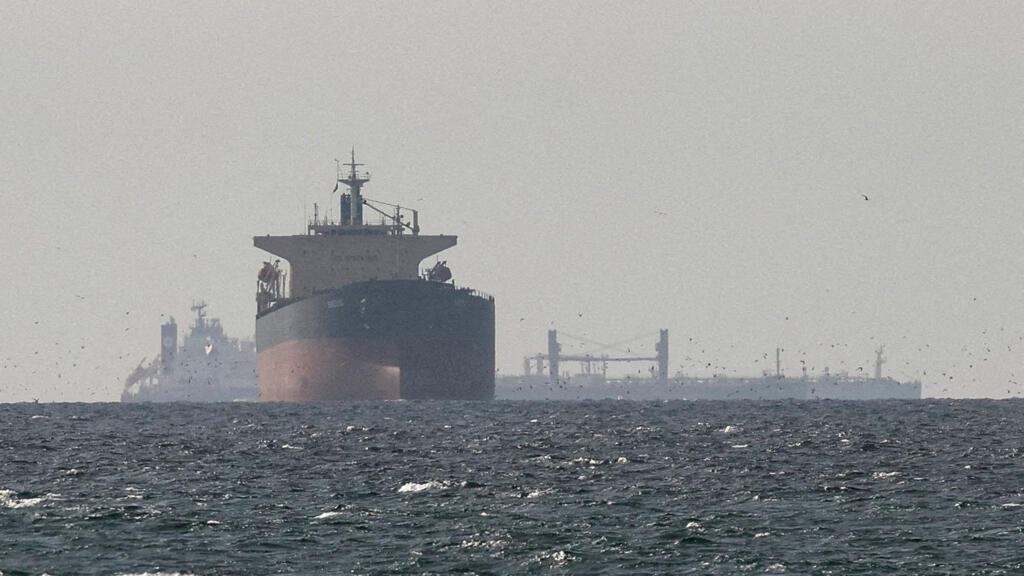
The United States has unveiled fresh measures aimed at restoring confidence in global shipping routes disrupted by the ongoing conflict in the Middle East.
The move, announced on April 3, is part of broader efforts to reassure maritime operators and encourage vessels to resume operations through the strategically important Strait of Hormuz, despite continued hostilities and what has effectively become an Iranian blockade.

To support this, the U.S. International Development Finance Corporation (DFC) expanded its maritime insurance backing. The agency had earlier introduced a $20 billion reinsurance programme and has now secured an additional $20 billion in support from major American insurers, including Travelers, Liberty Mutual, Berkshire Hathaway, AIG, Starr Insurance, CNA Financial and Chubb.
According to DFC Chief Executive Officer Ben Black, the involvement of these insurers brings significant expertise in marine and war-risk coverage, strengthening efforts to stabilise global shipping and energy markets.

The Strait of Hormuz is a critical global route, responsible for transporting roughly a fifth of the world’s oil and liquefied natural gas. Its disruption has triggered sharp volatility in energy markets and contributed to a wider global energy crisis.
Despite the expanded insurance guarantees, uncertainty remains. Many shipping companies are still reluctant to return to the route due to safety concerns, including threats of drone attacks, missiles, and sea mines.
Donald Trump also weighed in on the situation, expressing frustration over the continued closure of the waterway and the lack of coordinated action from allies. He suggested that reopening the strait was achievable but did not outline specific steps.

To qualify for the reinsurance programme, shipping operators must meet strict disclosure requirements, including details about vessel ownership, cargo origin and destination, and financing arrangements. The DFC and its partners will review applications on a case-by-case basis.
While the financial backing is expected to ease some pressure, analysts say confidence will only fully return once the security situation improves. Until then, global energy prices are likely to remain elevated, with major economies—including heavily import-dependent countries—continuing to feel the strain.




