

Rising global tensions involving the United States, Israel and Iran are increasingly raising concerns about the stability of the global economy. The conflict, which intensified in late February 2026, has already begun to trigger ripple effects across international energy markets and is putting pressure on economies around the world.
One of the most critical developments is the disruption around the Strait of Hormuz, a strategic maritime route that handles a significant portion of global oil and liquefied natural gas exports. The waterway is vital to the world economy, as large volumes of crude oil, jet fuel, and other energy products pass through it daily.
With tensions escalating in the region, the flow of energy resources has come under strain, pushing crude oil prices upward and increasing fears of a wider economic crisis. Several countries are now scrambling to assess the potential consequences and develop strategies to cushion the impact of rising energy costs.

The situation also highlights how interconnected the global economy has become. Major economies, including China and countries across Europe, rely heavily on energy shipments passing through the Strait of Hormuz. Any disruption to the corridor threatens supply chains, industrial production, and global trade.
For Nigeria, the consequences are already being felt. Rising oil prices in international markets are translating into higher fuel costs domestically. Petrol prices have climbed beyond ₦1,200 per litre in some areas, while diesel prices have surged to around ₦1,500 per litre.
These increases are affecting transportation, industrial production, and household expenses across the country. With unreliable electricity supply forcing many businesses and homes to rely on generators, the rising cost of fuel could significantly worsen the financial burden on millions of Nigerians.
Industries that depend on generators to maintain operations may face higher production costs, which could eventually be transferred to consumers through increased prices of goods and services. Transportation costs are also expected to rise, potentially leading to higher food prices as logistics expenses increase.

Despite Nigeria’s significant oil and gas resources, the country remains vulnerable to such global shocks. Nigeria holds about 38 billion barrels of proven oil reserves and possesses the largest natural gas reserves in Africa. However, the inability to refine enough petroleum products locally means the country still relies heavily on imported refined fuel.
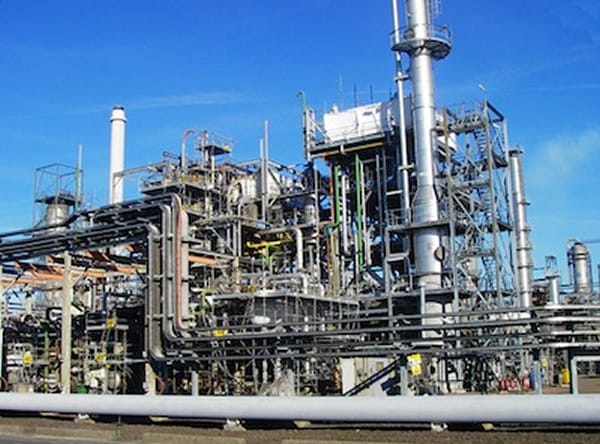
Government-owned refineries, including those in Kaduna, Port Harcourt and Warri, have struggled for years with operational challenges despite billions of dollars spent on maintenance and upgrades. Their poor performance has prevented Nigeria from building strategic fuel reserves that could cushion the economy during global crises.
Beyond energy concerns, the country also faces challenges in food security preparedness. Although Nigeria has grain storage facilities with a capacity of about 1.3 million metric tonnes, many of these silos are poorly maintained or underutilised. Only a small fraction of the reserves required for national food security is currently available.
Experts warn that without deliberate policies to strengthen strategic reserves—both for petroleum products and food—the country could face severe economic strain during global disruptions such as the current geopolitical tensions.
The ongoing conflict serves as a reminder of the need for stronger planning and preparedness. Governments at all levels—federal, state, and local—are being urged to invest in strategic reserves, strengthen domestic production, and improve infrastructure that supports national resilience during global emergencies.
For many Nigerians already grappling with high living costs, the hope is that lessons from the current global crisis will encourage policymakers to take proactive steps that protect the economy and ensure greater stability in the future.




