

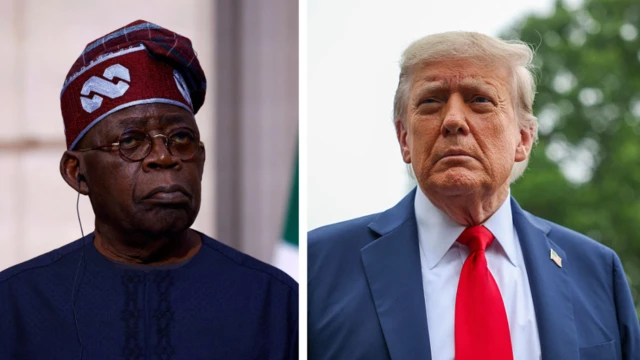
Recent high-level discussions between Nigerian officials and senior United States representatives have paved the way for stronger security collaboration, aimed at protecting civilians and countering extremist violence across Nigeria, both governments confirmed this week.
Tensions had previously surfaced between the two nations after Nigeria was labeled a “Country of Particular Concern” by former President Trump, citing alleged Christian persecution in the country.
Leading the Nigerian delegation, National Security Adviser Mallam Nuhu Ribadu, held talks in Washington, D.C., with key figures including members of the U.S. Congress, the White House Faith Office, the State Department, the National Security Council, and the Department of Defense.

According to Onanuga, the Special Adviser on Information and Strategy to President Tinubu, the discussions centered on strengthening bilateral security ties and clarifying what Nigeria described as misconceptions surrounding the sources of violence in the country.
During the meetings, the Nigerian delegation firmly rejected claims of genocide, emphasizing that violent attacks in Nigeria affect communities across all religious and ethnic lines.
“The delegation cautioned against mischaracterizing the situation, noting that doing so could deepen divisions and misrepresent realities on the ground,” Onanuga said.
Following the engagements, the U.S. government confirmed its commitment to expand security cooperation with Nigeria. This includes enhanced intelligence sharing, faster processing of defense equipment requests, and potential provision of excess defense articles—subject to availability—to support ongoing operations against terrorist and extremist groups.
Additionally, the United States expressed willingness to provide humanitarian assistance to affected populations in Nigeria’s Middle Belt and technical support to strengthen early-warning systems.
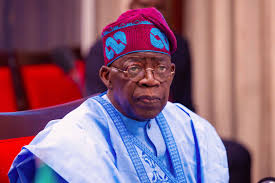
Onanuga added that both countries have agreed to immediately implement a non-binding cooperation framework and set up a Joint Working Group to ensure coordinated action on the agreed areas. In return, the Nigerian delegation reaffirmed its commitment to improving civilian protection measures.
Previously, President Trump had threatened a military intervention in Nigeria targeting Islamic terrorists allegedly responsible for attacks on Christians. In response, the Nigerian government engaged in dialogue with U.S. officials to prevent potential military action.

Do you think President Trump would still pursue military intervention after this recent agreement? Share your thoughts in the comments below.



