

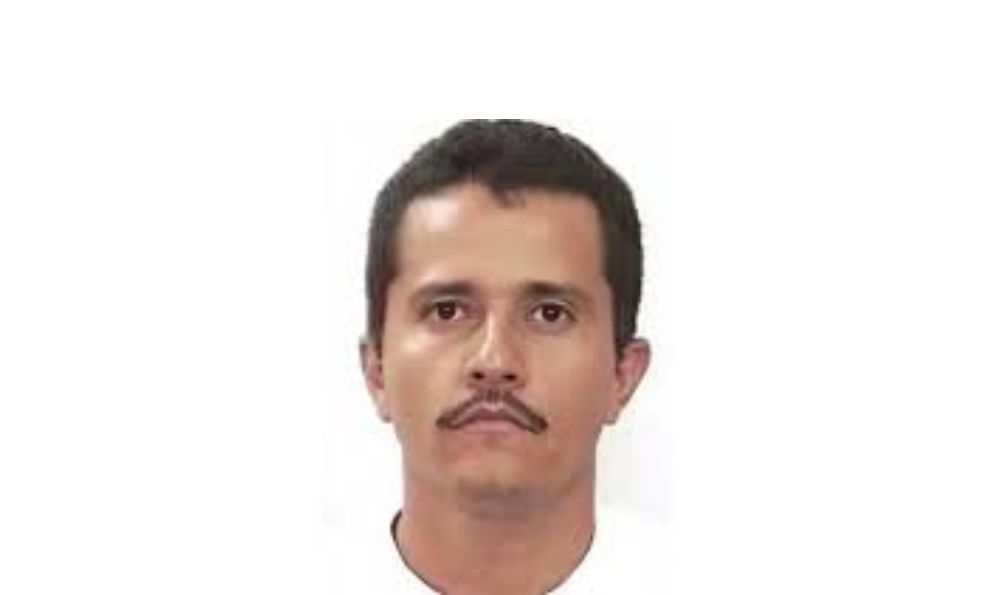
El Mencho’s Death Sparks Violence Across Mexico as Authorities Claim Victory Over CJNG Leader
Nemesio Oseguera Cervantes, widely known as “El Mencho,” has left a lasting mark on the history of Mexican organized crime. Born in the rural areas of Michoacán, he rose to the top of the Jalisco New Generation Cartel (CJNG) through ambition, aggression, and brutality.

His death has been hailed as a significant win for both Mexican and US authorities, with reports suggesting US intelligence played a role in the operation, highlighting cross-border cooperation. For the Mexican military, the removal of El Mencho represents a chance to weaken the cartel he led, at least temporarily.

The reaction from his cartel has been immediate. Roadblocks and outbreaks of violence have been reported across at least eight states, including Guerrero, Tamaulipas, Mexico City, and the surrounding areas. Jalisco, particularly Guadalajara, has seen some of the worst incidents, with masked gunmen setting stores ablaze. In tourist hotspots like Puerto Vallarta, locals and visitors are taking shelter until the unrest subsides.
These acts of defiance demonstrate both loyalty to El Mencho and anger at the authorities. How the situation evolves will depend on law enforcement responses in the coming days. Historically, even after the death of a cartel leader, well-positioned lieutenants often take over, suggesting the CJNG may continue its operations.

El Mencho’s criminal career began in the US during the 1980s, cultivating marijuana in California. Following multiple arrests and prison time, he was deported back to Mexico at age 30 and fully immersed himself in cartel activities. Rising through the Milenio Cartel, he became known as a strategic and ruthless leader. When the Milenio Cartel fractured, he established the CJNG, expanding its influence and diversifying into new illicit trades.
The CJNG’s rise was aided by the decline of the Sinaloa Cartel after the extradition of Joaquín “El Chapo” Guzmán and subsequent infighting among Sinaloa factions. El Mencho capitalized on the vacuum, especially in the fentanyl trade, consolidating his cartel’s power.

The Mexican government under President Claudia Sheinbaum is framing the operation as a major achievement, reinforced by cooperation with the US. This move also addresses longstanding US concerns over fentanyl trafficking and may help prevent calls for unilateral US military actions on Mexican soil.

Meanwhile, the country witnesses the immediate aftermath of El Mencho’s death as cartel members set fires and create chaos in cities nationwide. The full impact on the CJNG and Mexico’s criminal landscape will become clearer in the days ahead.




