

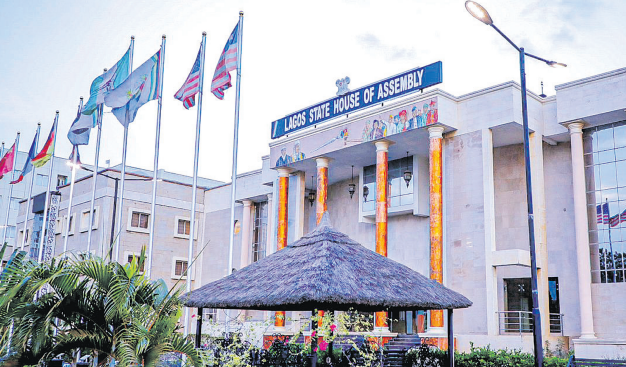
The race for seats in the Lagos State House of Assembly is already shaping up to be one of the most intense political contests ahead of the 2027 elections, as the All Progressives Congress (APC) insists there will be no automatic tickets for sitting lawmakers.
Instead, every incumbent will have to go through party primaries in May — a decision that has effectively thrown all 40 lawmakers into direct competition with challengers in their constituencies.

From veteran Speaker Mudashiru Obasa, who has dominated Agege politics for over a decade, to first-term legislators still trying to consolidate their influence, the political atmosphere across Lagos is charged, uncertain, and highly competitive.
Big names under pressure
Obasa, the longest-serving lawmaker in the Southwest and Speaker for 10 years, remains one of the most watched figures. But his next move is unclear. With his governorship ambition appearing stalled and other political options looking tight, returning to the House for another term may now be his most realistic path — though even that is not guaranteed, as fresh aspirants emerge in Agege.
In Surulere 1, actor-turned-politician Desmond Elliot also faces a difficult path to return. Once backed strongly in previous elections, his political support base is said to have weakened, while several high-profile challengers are already in the field.
Close battles across constituencies
In Oshodi/Isolo 1, Stephen Ogundipe is under pressure from new entrants with strong grassroots backing, including youth-driven campaigns that are reshaping the local political balance.

Ajeromi-Ifelodun 1 is another hot zone, where Lukmon Olumoh faces strong resistance from former council leadership and influential political figures.
In Badagry 1 and 2, as well as Epe and Ikorodu, long-serving lawmakers are also being challenged by ambitious contenders seeking to capitalise on growing dissatisfaction or demand for fresh representation.
Even lawmakers considered politically secure are not entirely safe. In Eti-Osa, Ifako-Ijaiye, Mushin, and Ikeja, internal party dynamics and emerging aspirants are quietly reshaping alliances ahead of the primaries.
Rising youth influence and party tension
One clear trend across constituencies is the increasing influence of youth groups, local associations, and political blocs within the APC. In several districts, these groups are openly backing new aspirants over incumbents, arguing for generational shift and improved representation.
At the same time, internal party structures, including the powerful Governance Advisory Council (GAC) and local party leaders, are still playing a decisive role in shaping who gets support.

No safe seats
What stands out most in this election cycle is that very few lawmakers can confidently describe their seats as “safe.” Even those with strong records or political backing are being forced to return to the field, reconnect with constituents, and defend their records.
For some, the challenge is performance. For others, it is internal party politics, shifting alliances, or simply the desire for change from voters.
What happens next
With primaries approaching in May, the next few weeks will determine who survives the APC screening and who exits the Assembly race early.
Across Lagos, campaigns are already active behind the scenes — consultations, endorsements, stakeholder meetings, and quiet negotiations are in full swing.
What is clear is that the 10th Lagos Assembly may soon see significant turnover, as incumbency alone is no longer enough to guarantee survival.




