

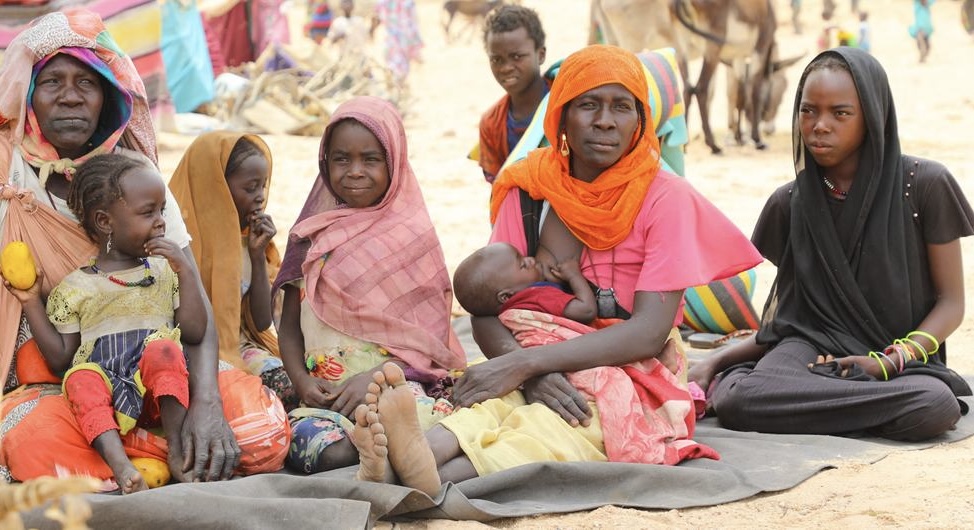
A new report has revealed a worsening global hunger situation, showing that most people facing severe food shortages are concentrated in just a handful of countries, including Nigeria.
The 2026 Global Report on Food Crises, released by the Global Network Against Food Crises, found that two-thirds of all people suffering from acute hunger are located in just 10 countries: Afghanistan, Bangladesh, the Democratic Republic of the Congo, Myanmar, Nigeria, Pakistan, South Sudan, Sudan, Syria, and Yemen.
According to the report, about 266 million people across 47 countries experienced high levels of acute food insecurity in 2025. Experts say this represents nearly double the proportion recorded in 2016, highlighting how rapidly the situation has deteriorated over the years.

The report, compiled by a coalition of UN agencies, the European Union, and other partners, identified conflict as the leading cause of hunger, responsible for more than half of all severe cases.
The Director-General of the Food and Agriculture Organization, Qu Dongyu, warned that the crisis is no longer temporary but has become deeply structural and recurring.
In his remarks, he stressed that acute food insecurity is now persistent in many regions and called for stronger global action to address it.
The report also revealed alarming figures for children, noting that 35.5 million are suffering from acute malnutrition, including nearly 10 million in severe condition. A spokesperson for the UNICEF, Ricardo Pires, warned that severely malnourished children are extremely vulnerable, as weakened immune systems can make even minor illnesses life-threatening.

Another major concern highlighted in the report is forced displacement. More than 85 million displaced people were living in food crisis conditions in 2025, with refugees and internally displaced persons facing worse hunger levels than host communities. The UN High Commissioner for Refugees, Barham Salih, described the situation as a vicious cycle where conflict and hunger reinforce each other.
Despite the scale of the crisis, humanitarian funding is reportedly declining, raising fears that response efforts may fall short in the coming years.
Looking ahead to 2026, the outlook remains bleak. Ongoing conflicts, climate-related disasters, and economic instability are expected to keep food insecurity at critical levels in many countries. The report also warned that disruptions in global markets, including tensions in the Middle East, could further drive up food prices and strain supply chains.
UN Secretary-General António Guterres called for urgent global action, urging governments to increase investment in life-saving assistance and work toward ending conflicts fueling the crisis.
Aid agencies concluded that without a major shift in global response, hunger risks becoming a long-term global reality rather than a temporary emergency.




