

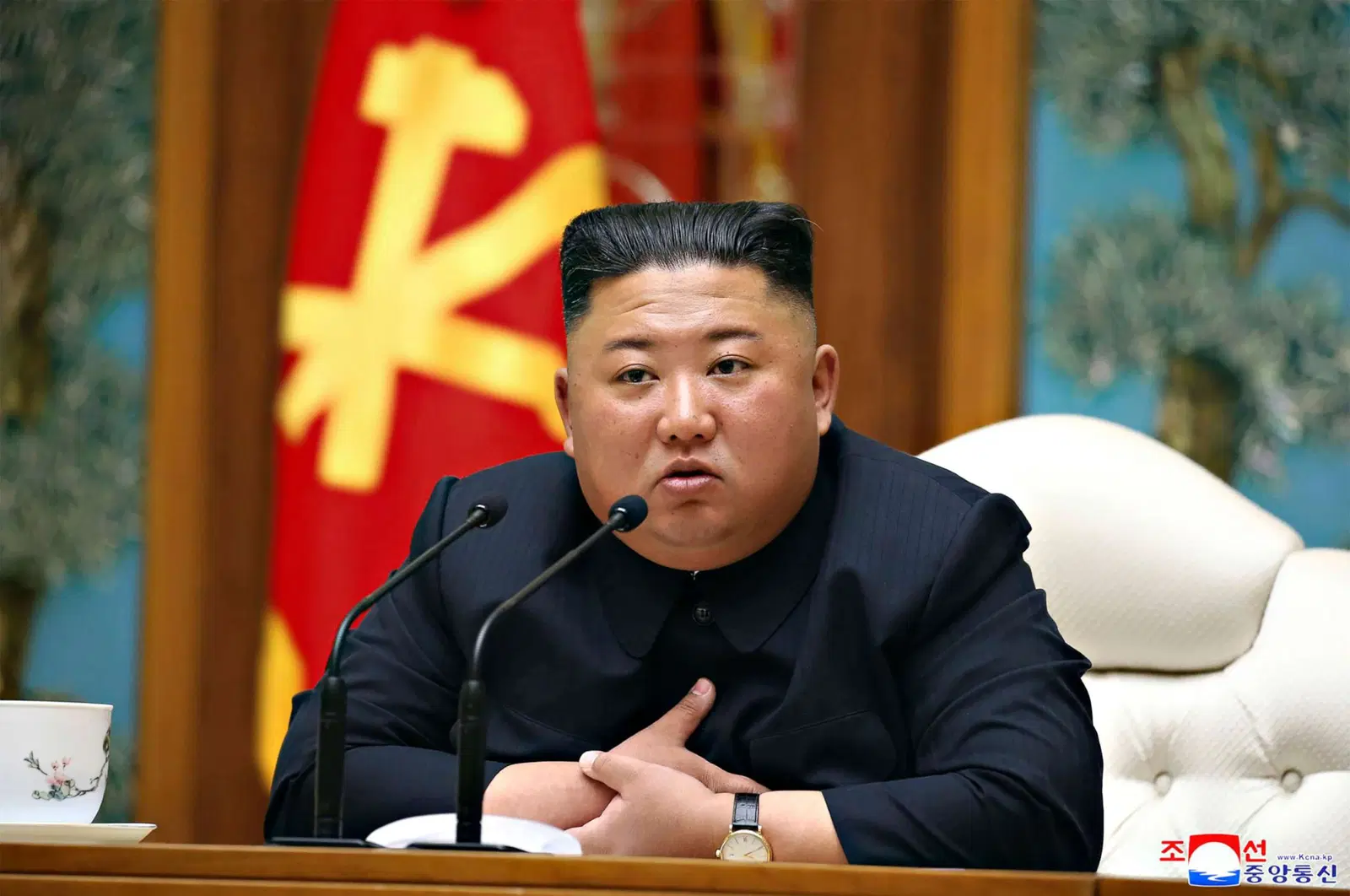
North Korean leader Kim Jong Un has reaffirmed his country’s backing for Russia’s war in Ukraine, pledging continued support for Moscow’s military campaign, according to state media reports released on Monday.

Pyongyang has already supplied Russia with missiles, ammunition, and personnel, while analysts say Moscow has reciprocated with financial assistance, food supplies, energy, and military-related technology, strengthening ties between both isolated states.
Recent days have also seen a series of high-level Russian visits to North Korea, including a meeting between Kim Jong Un and Russian Defence Minister Andrey Belousov on Sunday, according to official reports.

During the meeting, Kim reiterated North Korea’s commitment to supporting Russia’s policies on sovereignty, territorial integrity, and security interests. He also expressed confidence that Russia would achieve victory in what he described as its “just war,” as reported by state media.
Both countries reportedly discussed expanding military cooperation, including a proposed cooperation framework extending from 2027 to 2031.

The discussions coincided with the inauguration of a memorial in North Korea honouring soldiers said to have been killed in the Ukraine conflict. Kim, alongside Russian and North Korean officials, attended the ceremony, where tributes were paid to the fallen troops.
Kim praised the soldiers’ “bravery and sacrifice,” while also taking part in burial ceremonies for war dead and commemorative events that included performances and military displays.

North Korea and Russia signed a defence agreement in 2024 that commits both countries to mutual military assistance in the event of an attack.
Meanwhile, South Korean authorities estimate that around 2,000 North Korean soldiers may have died in the Ukraine war, with reports suggesting some troops were instructed not to be captured alive.

On the diplomatic front, South Korea has continued efforts to ease tensions with Pyongyang, with President Lee Jae Myung calling for renewed trust and peaceful engagement between the two Koreas.
However, despite such overtures, North Korea continues to describe South Korea as its “most hostile” adversary.




