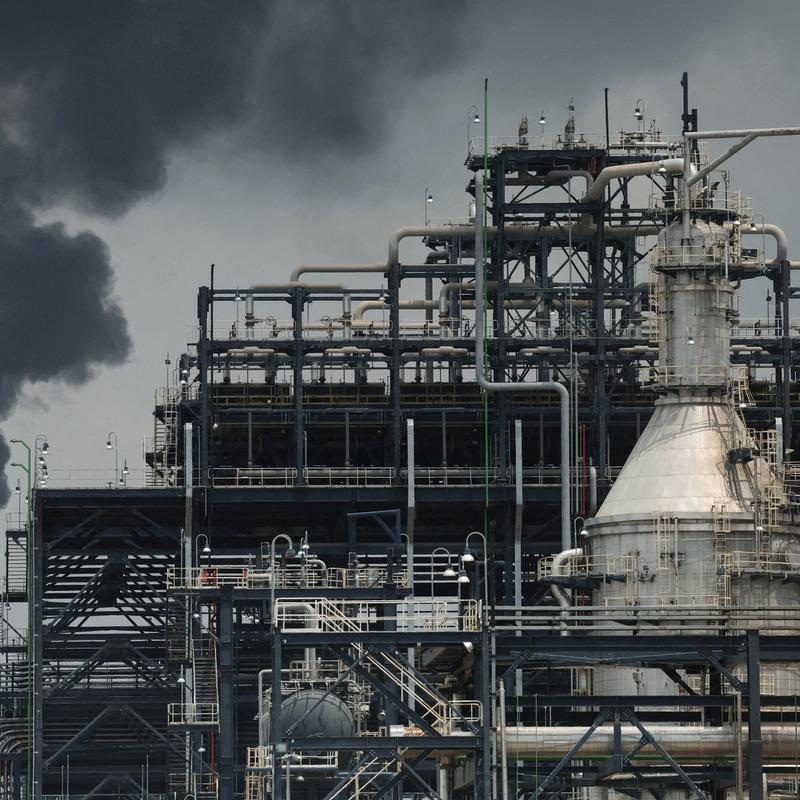
A major Nigerian refinery has unexpectedly found itself at the centre of global energy and labour debates, as its aviation fuel output becomes part of efforts to stabilise jet fuel supply to the United Kingdom amid disruptions in global shipping routes.
The refinery, located in Lagos and owned by Africa’s richest man, Aliko Dangote, began producing aviation fuel in early 2024 and has since grown into one of the key suppliers for international markets. Recent market data shows that tens of thousands of tonnes of jet fuel from the facility were shipped to the UK in March alone, highlighting its rising importance in global supply chains.
However, the refinery’s expansion has not been without controversy. Labour unions in Nigeria have accused the company of poor labour practices, including allegations of mass dismissals linked to union membership. The company has strongly denied these claims, insisting that any workforce changes were part of internal restructuring aimed at maintaining operational efficiency at a complex industrial site.

According to the company, affected employees were not left unemployed but were reassigned to other subsidiaries within the Dangote Group, which operates across sectors such as cement, sugar, and salt production. It also maintains that workers are free to join unions and that it does not interfere with lawful labour rights.
Nigerian authorities previously stepped in during a tense dispute between the company and the Petroleum and Natural Gas Senior Staff Association of Nigeria (PENGASSAN), helping to broker a resolution that preserved jobs and called for better engagement between both sides.

The refinery’s role has now expanded beyond domestic concerns, as European governments look to alternative fuel sources following disruptions in key global shipping routes, including the Strait of Hormuz. UK officials have pointed to increased imports from both the United States and West Africa as part of contingency planning to prevent potential aviation fuel shortages during the peak travel season.
Energy analysts say the Dangote refinery has quickly become a significant player in this shifting global supply landscape, capable of influencing fuel flows into major international markets due to its scale and strategic location.
Despite ongoing labour tensions, the refinery continues to position itself as a cornerstone of Africa’s industrial future, with ambitions not only to meet domestic fuel demand but also to serve global markets in an increasingly volatile energy environment.