

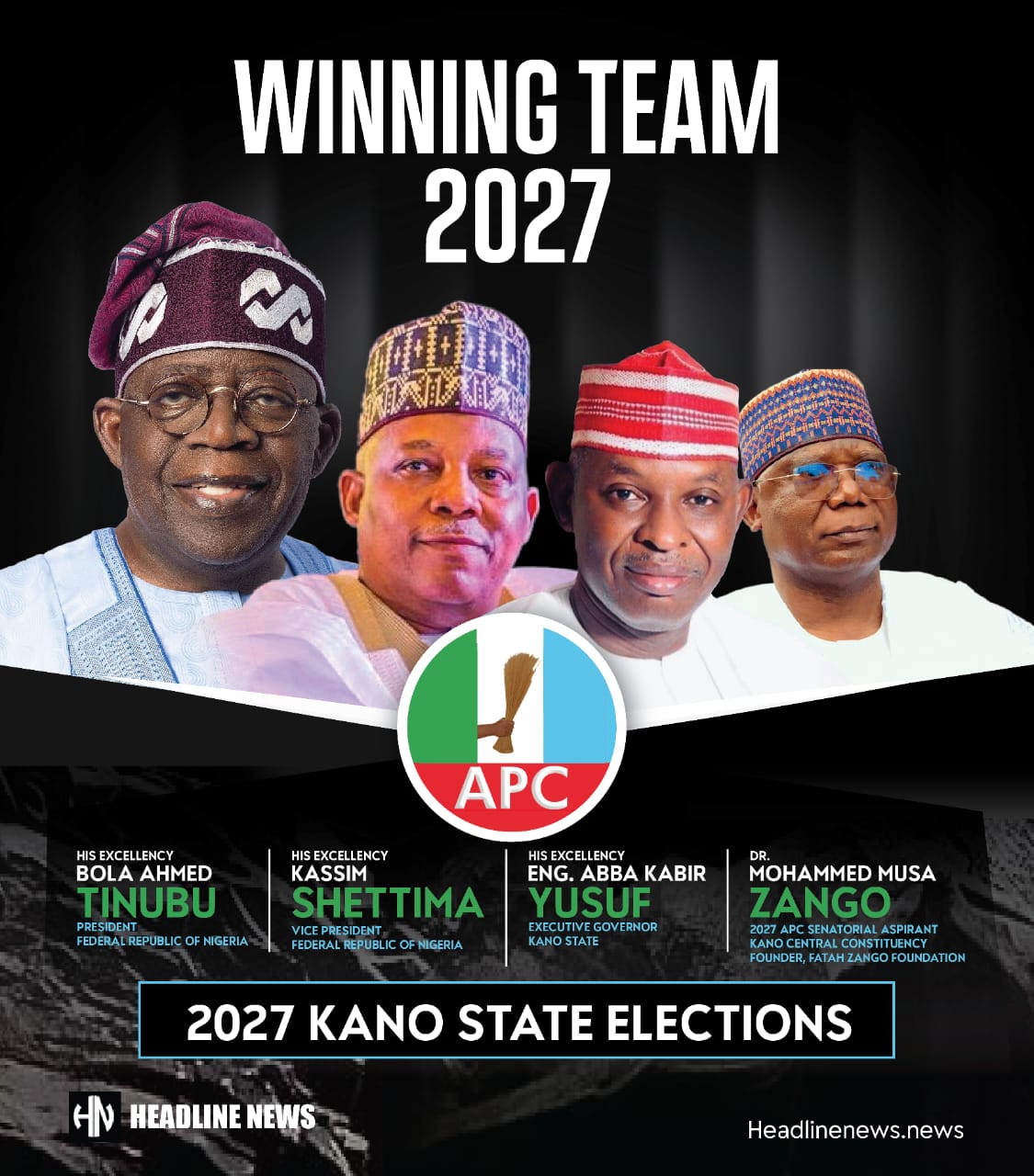
In politics, there are moments when parties are not merely choosing candidates—they are choosing direction. Kano Central 2027 represents one of such defining moments for the All Progressives Congress (APC), a strategic test of whether the party will prioritise legacy influence or measurable grassroots impact.
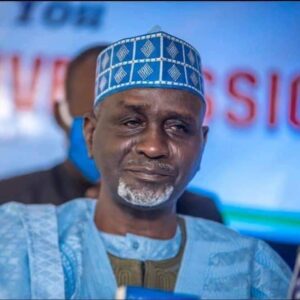
The return of Ibrahim Shekarau to the APC underscores the fluid nature of Kano’s political landscape. Over the past decade, the state has witnessed repeated cycles of defections and realignments—further accelerated by the weakening of the New Nigeria Peoples Party and the redistribution of its political actors across platforms such as APC, ADC and emerging blocs like NDC.
APC’s inclusive philosophy—welcoming both returning figures and new entrants—remains one of its strengths.
Yet, inclusivity without strategic calibration can dilute electoral advantage, particularly in high-stakes constituencies where candidate selection must reflect both credibility and voter expectations.
Kano Central is not an ordinary contest. It is a politically aware constituency where voters increasingly prioritise tangible impact over historical prominence.
Across Nigeria, recent electoral patterns suggest a growing shift: name recognition alone is no longer sufficient; performance, accessibility and visible engagement now define political viability.

As Nelson Mandela famously said, “What counts in life is not the mere fact that we have lived. It is what difference we have made to the lives of others.”
In the context of Kano Central, that difference—measurable, visible and sustained—is fast becoming the true currency of political legitimacy.
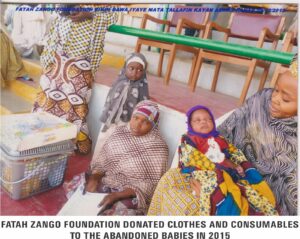
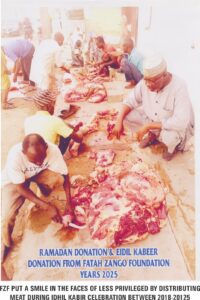


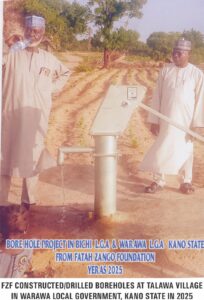
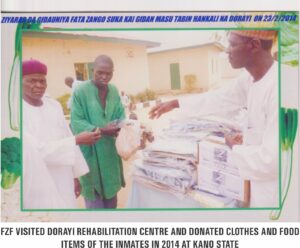

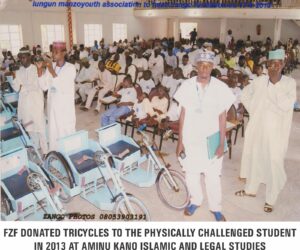
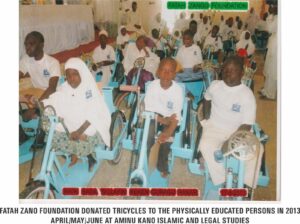
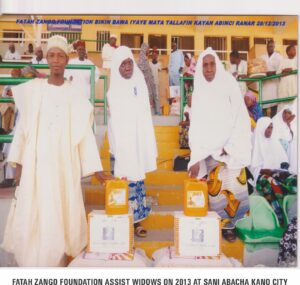
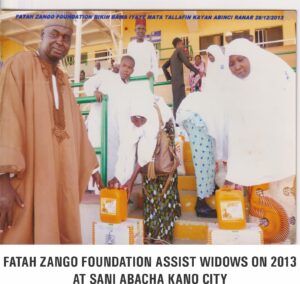
On one hand is Shekarau, a seasoned political figure with extensive experience.
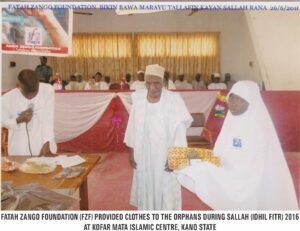
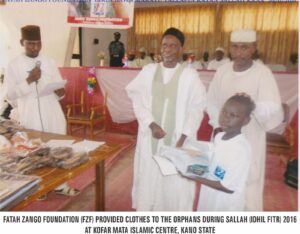
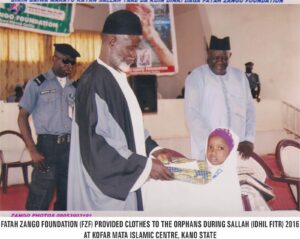
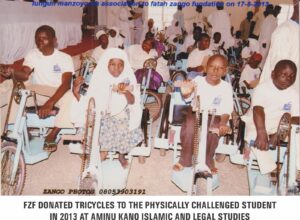
On the other is Dr. Mohammed Musa Zango, whose two decades of sustained humanitarian intervention through the Fatah Zango Foundation have built a strong and measurable grassroots presence across Kano Central.
Dr. Zango represents what governance analysts describe as “pre-office legitimacy”—credibility earned through consistent service delivery rather than reliance on past office. His interventions in healthcare access, education support, and community welfare have created a direct connection with the people—one that translates into trust, loyalty and electoral strength.
In a political climate where citizens demand visible dividends of democracy, this distinction is critical.
However, this evolving dynamic does not necessitate internal conflict. Rather, it presents an opportunity for strategic alignment.

The re-entry of Shekarau into APC can be optimally leveraged through federal executive responsibility rather than legislative competition. Kano remains one of Nigeria’s most significant agrarian hubs, with vast potential in agriculture, livestock, irrigation and agro-processing.
Positioning a figure of Shekarau’s experience within a ministerial role—particularly in sectors such as agriculture or rural development—would allow him to deliver broader, policy-level impact while strengthening Kano’s access to federal resources.
Such an approach aligns with a fundamental governance principle: leadership is most effective when deployed where it delivers the greatest value.
For APC, this creates a balanced outcome.
It preserves party cohesion by recognising Shekarau’s stature at a national level, while simultaneously enabling generational transition within the Senate. The legislative arm increasingly demands representatives who are deeply embedded in current grassroots realities—leaders who are accessible, responsive, and continuously engaged with the evolving needs of their constituents.
Dr. Zango’s candidacy fits squarely within this framework.
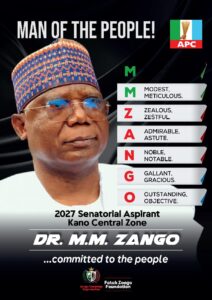
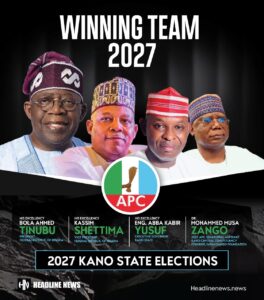
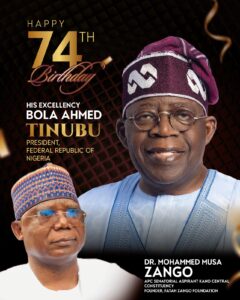
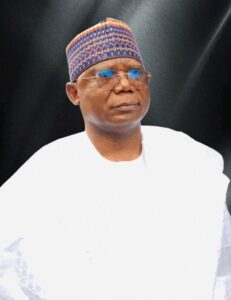

His support base is not theoretical—it is built on sustained interaction, familiarity, and a track record that resonates across communities.
Reports from Kano Central indicate a growing consolidation of grassroots endorsement in his favour, reflecting a constituency that is aligning itself with leadership defined by service rather than symbolism.
For decision-makers, the implications are clear.

The Kano Central ticket is not just about winning an election—it is about sending a message.
A message that APC understands the changing dynamics of Nigerian politics. A message that the party is willing to reward proven impact, encourage renewal, and align its choices with the expectations of a more discerning electorate.
Balancing experience with new leadership is not a compromise—it is a strategy.
Positioning Shekarau within the federal executive framework while allowing a candidate like Dr. Zango to carry the party’s senatorial mandate offers APC the best of both worlds: continuity at the top and credibility at the grassroots.
Because ultimately, elections are not won by history—they are won by relevance.
The National Patriots
The National Patriots Movement affirms that Kano Central stands at a decisive moment where representation must be anchored on measurable impact, not legacy entitlement. Dr. Mohammed Musa Zango, founder of the Fatah Zango Foundation, exemplifies a new leadership model grounded in over two decades of humanitarian service, healthcare outreach and educational support. His deep grassroots connection reflects the true meaning of democratic dividends. As political realignments continue, APC stakeholders must prioritise competence, credibility and proven public trust in selecting a candidate capable of delivering meaningful and sustained representation for the people of Kano Central Constituency.
Dr. Fraser MFR
The National Patriots.




