

Electricity distribution companies (DisCos) have raised concerns over the Lagos State Government’s proposal to abolish electricity customer band classification, warning that the plan could trigger market instability, consumer unrest, and potential disruptions in power supply if introduced without adequate preparation.

Industry officials, who spoke anonymously, said while the state government’s intention to improve electricity supply is commendable, the removal of the banding system must be carefully timed and backed by significant improvements in generation, distribution, and metering infrastructure.
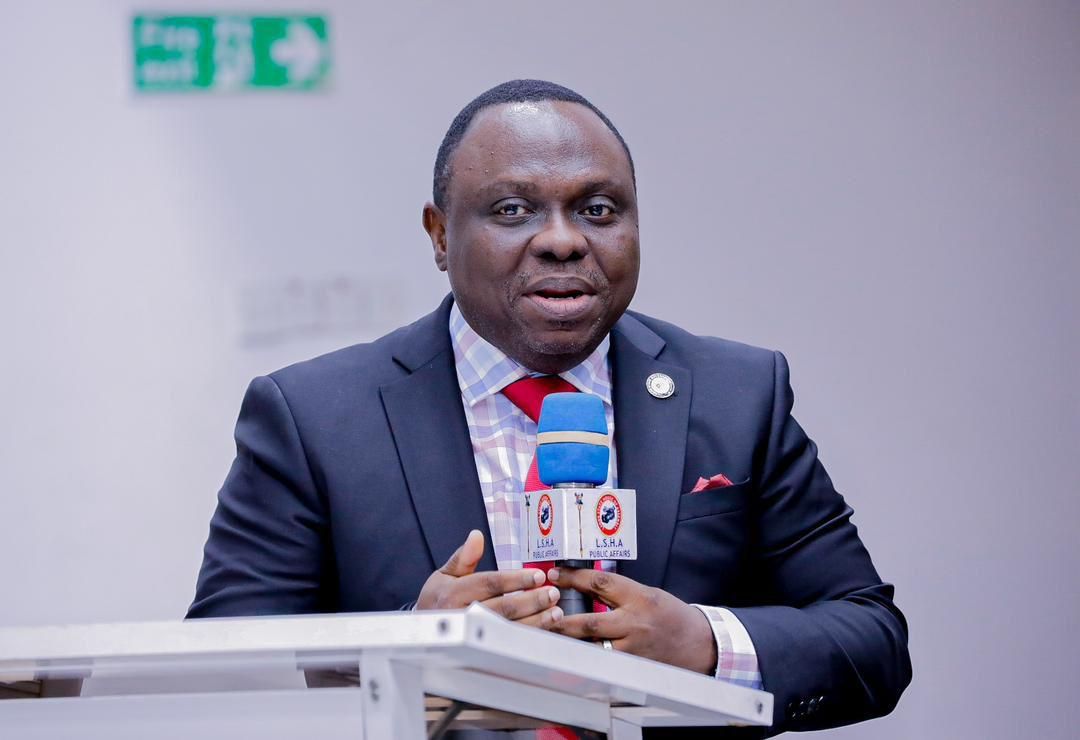
Their reaction follows comments by the Lagos State Commissioner for Energy and Mineral Resources, Biodun Ogunleye, who disclosed that the state government is working towards eliminating the current Band A–E classification system introduced by the Nigerian Electricity Regulatory Commission (NERC) in 2024.

Under the existing framework, consumers are grouped based on daily electricity supply hours, with Band A customers receiving up to 20 hours of power but paying higher, cost-reflective tariffs, while lower bands receive fewer hours at subsidised rates.
The DisCos argued that removing the structure prematurely could create inequality and public backlash, especially in areas where electricity supply remains unstable or unreliable.
They explained that implementing uniform tariffs across all consumers would only be fair if every household is properly metered and enjoys consistent electricity supply, noting that the cost of metering millions of unmetered customers would require massive financial investment.

According to them, the current band system also serves as an incentive mechanism to push operators to improve supply so that more customers can migrate to higher service bands over time.
They warned that abolishing the classification while introducing full cost-reflective tariffs could lead to protests, particularly in underserved communities that experience prolonged outages but would be required to pay the same rates as those receiving stable electricity.
The operators further maintained that the priority should be increasing generation capacity and improving supply reliability, which would naturally reduce tariffs and make any future unification of pricing more feasible.

They cautioned that removing subsidies and collapsing the band structure too early could result in electricity costs rising significantly for many consumers, potentially exceeding current rates in lower service bands.
The DisCos also stressed that policy changes in the power sector require long-term stability, warning that political transitions could affect implementation continuity.
Meanwhile, the Lagos State Government has maintained that its goal is to achieve a more stable and reliable electricity system that could eventually eliminate the need for band classifications, with officials expressing confidence that 24-hour power supply is achievable in the state.




