

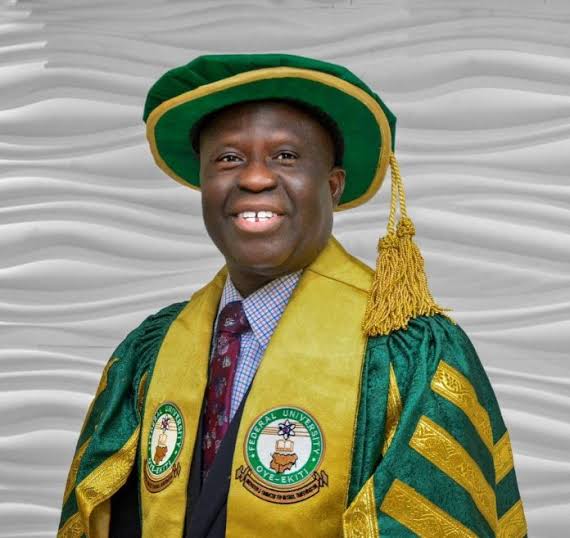
A coalition of civil society organisations has opposed the nomination of Abayomi Fasina, Vice-Chancellor of the Federal University Oye-Ekiti (FUOYE), as a non-career ambassador, citing ongoing court cases linked to allegations of sexual harassment and abuse of office.
The coalition, made up of several advocacy and rights groups, expressed concern over the nomination, arguing that unresolved legal proceedings involving Fasina raise serious questions about accountability and public trust.

In a joint statement released on Wednesday, the organisations noted that allegations against the FUOYE vice-chancellor have led to both criminal and civil cases that are yet to be concluded. According to the groups, the allegations have generated widespread public interest and prompted investigations by relevant authorities.
They stated that complaints from stakeholders and advocacy groups led to an investigation into the matter, which eventually resulted in criminal proceedings currently before the courts. The coalition further claimed that separate cases involving allegations of sexual harassment and workplace victimisation are also being heard at the National Industrial Court in Abuja and Lagos.
The organisations argued that diplomatic appointments require individuals who can uphold the country’s reputation and values on the international stage. They maintained that such positions should reflect integrity, ethical leadership, and public confidence, rather than being limited to whether or not a person has been convicted of a crime.

According to the coalition, appointing someone facing unresolved allegations could send the wrong message about accountability and weaken confidence in institutions responsible for addressing misconduct and protecting victims.
The groups also pointed to Nigeria’s commitments under international agreements aimed at protecting women’s rights and combating gender-based discrimination, stressing that appointments to public office should align with those obligations.
They called on President Bola Tinubu to suspend Fasina’s nomination until all pending legal matters have been resolved. The coalition also urged the National Assembly to thoroughly scrutinise the nomination, taking into account the ongoing proceedings.

The organisations added that the government must continue to demonstrate a strong commitment to addressing allegations of sexual harassment and abuse of authority while ensuring accountability remains central to democratic governance.
The controversy stems from allegations made in late 2024 by a female senior lecturer at FUOYE, who accused Fasina of sexual harassment and victimisation. A university staff union also alleged that the vice-chancellor acted improperly toward the lecturer and later removed her from office after she rejected his advances.

The claims sparked demands for investigations into the university’s administration and finances. Although a committee set up by the university council later examined the allegations and cleared Fasina, concerns surrounding the matter have continued to attract public attention.




