

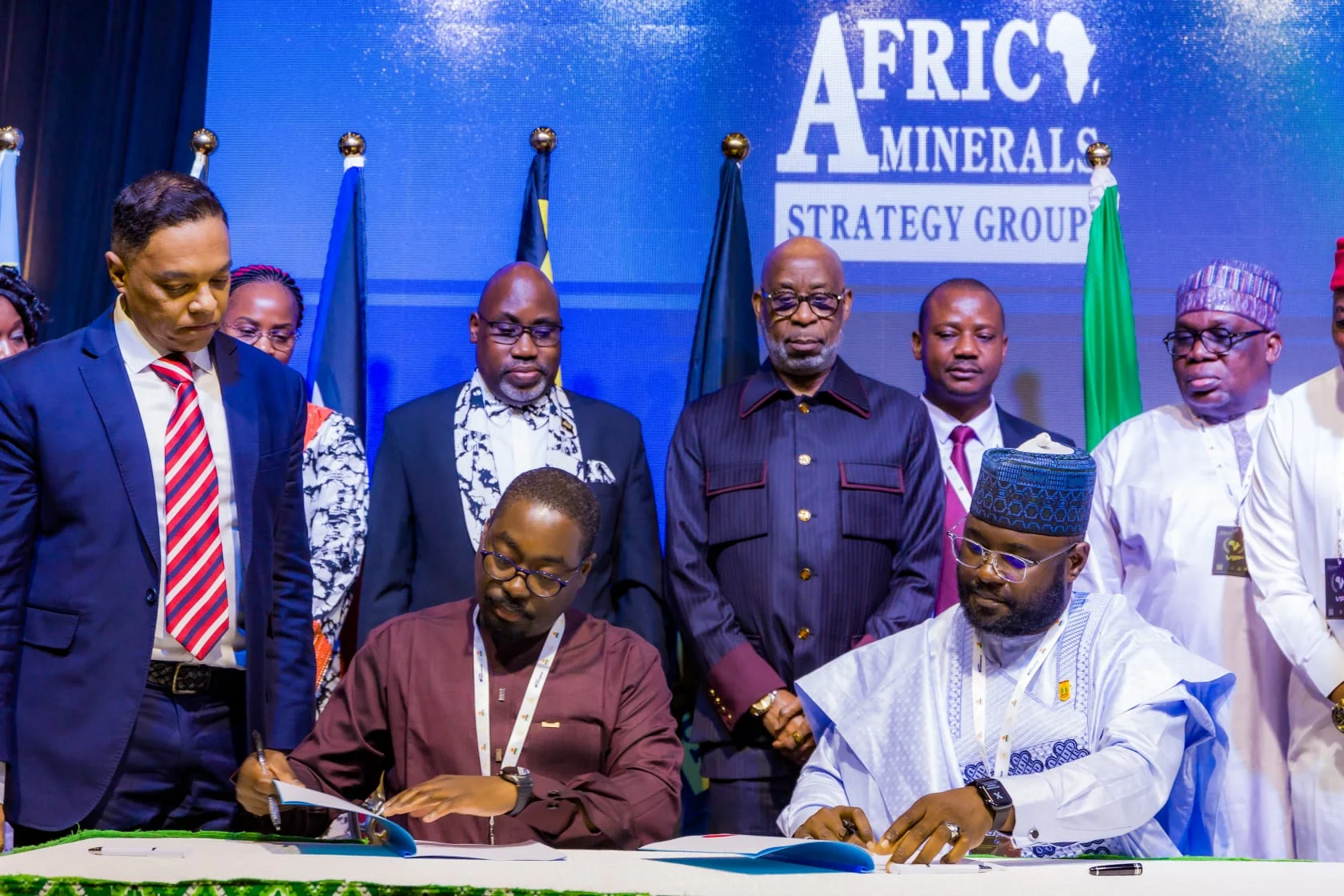
Nigeria has taken another step toward becoming a major supplier of critical minerals after the Africans for Africa (AFA) Initiative and Steron International Resources Limited signed a strategic partnership to accelerate the development of lithium and rare earth element deposits across the country.

The Memorandum of Understanding (MoU), signed during the African Natural Resources and Energy Investment Summit in Abuja, names Steron’s lithium and rare earth project in Wasa as a prospective project under the AFA Mining Fund I. The private equity fund was created to finance and promote African-owned mining projects.
The agreement is expected to strengthen Nigeria’s mining industry as global demand for critical minerals continues to rise, driven by the expansion of electric vehicles, renewable energy systems, battery storage, advanced electronics, and other high-tech industries.
Through the partnership, Steron will receive technical support and investment funding to advance the project while ensuring compliance with internationally recognised environmental, social, and governance (ESG) standards.

A key aspect of the collaboration is the implementation of the AFA Initiative’s 51 per cent Total African Benefit model, an approach designed to ensure that more than half of the economic value generated from mineral resources remains within Africa through local processing, domestic supply chains, and investments in host communities.
Speaking after the signing, the Managing Director and Chief Executive Officer of Steron International Resources Limited, Sadiq Omar, described the partnership as proof that Nigerian mining projects can compete globally while creating meaningful benefits for local communities.
According to him, responsible mining and economic growth can be achieved simultaneously by meeting global sustainability standards and ensuring host communities actively benefit from resource development.
Omar said the partnership reflects the determination of a new generation of African entrepreneurs committed to taking greater control of the continent’s natural resources and driving industrial development. He stressed that Africa should move beyond exporting raw materials and instead focus on processing and manufacturing finished products locally.
He explained that rare earth elements are becoming increasingly important because they are essential components in modern technologies such as electric vehicles, renewable energy equipment, inverter systems, consumer electronics, and various electrical appliances.
The Steron chief revealed that the company has identified three major rare earth element deposits in Nigeria’s Middle Belt and plans to invest heavily in developing them. He added that the company’s long-term vision extends beyond mining to building the technical expertise and industrial capacity needed to process these minerals into finished products within Nigeria and across Africa.
According to Omar, Africa’s large consumer market presents an opportunity to develop local manufacturing industries rather than relying on imports of products made from minerals sourced on the continent.
He also acknowledged the challenges young African entrepreneurs face, including perceptions about age, while commending the Federal Government’s reforms in the solid minerals sector. He noted that ongoing reforms position Nigeria to benefit from the global energy transition and accelerate industrial growth.
Nigeria is believed to possess significant deposits of lithium, rare earth elements, cobalt, graphite, and other strategic minerals. With increased investment in exploration, processing, and value addition, the country is well positioned to become an important player in the global critical minerals supply chain.




