

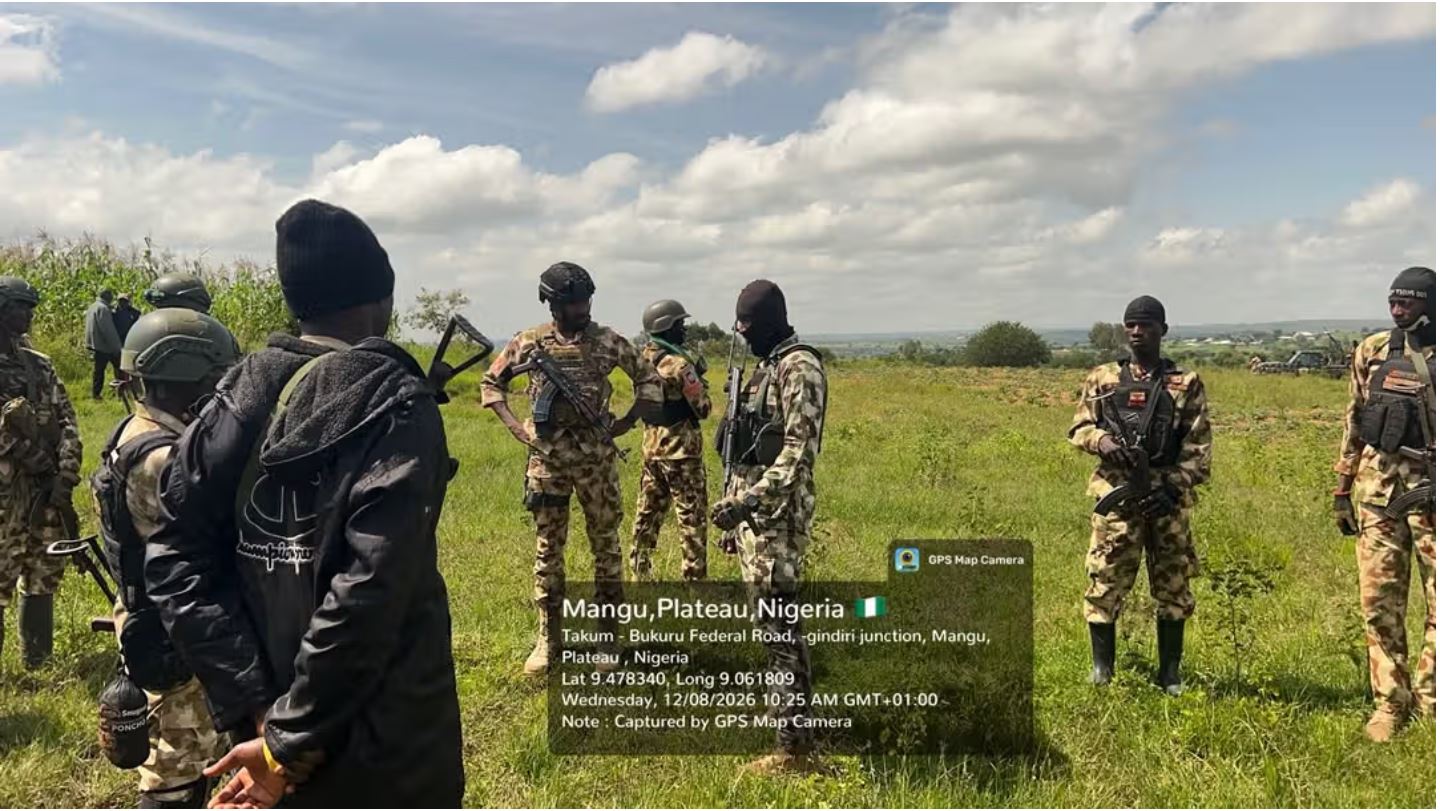
Security experts have called for greater involvement of local communities in Nigeria’s security system, arguing that stronger cooperation between residents and formal security agencies could improve intelligence gathering and help prevent crime and violent attacks.
The call was made during the 2026 Northwest Conference on Community Security Management and Crime Prevention, held in Kaduna on August 15 under the theme, “Strengthening community security partnerships for sustainable peace, crime prevention and good governance in Northwest Nigeria.”

The conference was organised by the Institute of Security and Strategic Studies, with discussions focusing on how community participation could complement the work of the police, intelligence services and other security agencies.
Participants noted that the security situation in the Northwest has become increasingly complex, with bandit groups evolving into organised criminal networks involved in killings, kidnappings, illegal taxation and territorial control. Some groups have also developed links with extremist organisations operating across Nigeria and the wider Sahel region.
Data presented at the conference showed the scale of the challenge. The Nigeria Violent Conflicts Database recorded 4,654 deaths and 3,141 abductions from 1,274 security incidents nationwide in 2025, with the Northwest and neighbouring North-Central areas accounting for a significant proportion of the violence.

Security experts said one of the major weaknesses affecting counter-insurgency operations is the shortage of detailed, timely information from remote communities.
They argued that residents often possess valuable knowledge of local terrain, movement patterns, unfamiliar individuals and emerging threats, but distrust between communities and security agencies can discourage people from sharing such information.
Dr Abdullahi Bello of the Nigerian Defence Academy proposed the establishment of structured Community-Based Intelligence Networks to address the problem.

Under the proposed system, trusted residents, traditional and religious leaders, market associations, transport workers, farmers, women’s groups and youth organisations would participate in gathering and transmitting security information to designated government agencies.
The proposed network would operate at different levels, beginning with Ward Intelligence Clusters made up of vetted community volunteers. Reports would then be forwarded to Local Government Area Fusion Desks, where information from different sources could be assessed and analysed before being passed to higher-level intelligence structures.

A proposed Northwest State Intelligence Fusion Centre would further coordinate information from security agencies and other relevant institutions, allowing authorities to identify emerging threats and deploy resources based on verified intelligence.
Bello stressed that such community structures should not replace professional security agencies or operate as uncontrolled vigilante groups. Instead, they should function within clearly defined legal frameworks, with appropriate training, oversight and accountability mechanisms.
The conference also examined experiences from other countries, including Rwanda, South Africa, India and Colombia, where different forms of community policing and intelligence-sharing arrangements have been used to improve cooperation between residents and security agencies.
Nigeria’s own experience with the Civilian Joint Task Force in the Northeast and regional security organisations such as Amotekun was also discussed.
Participants acknowledged that community-based security initiatives can provide valuable local intelligence and rapid response capabilities but warned that they can also create risks involving human-rights violations, inadequate training, unclear command structures and retaliation against civilian participants.
Dr Ken Nwachukwu, a former Nigerian ambassador to Mali, argued that security agencies must work more closely with traditional institutions, religious leaders and youth organisations.

He said a comprehensive community-security approach should address not only immediate threats but also the conditions that allow violent groups to recruit members.
According to him, unemployment, poverty, marginalisation, poor governance, weak education systems, unresolved communal disputes and lack of economic opportunities can create vulnerabilities that criminal and extremist groups exploit.
Nwachukwu maintained that military operations alone cannot permanently resolve terrorism and banditry, stressing the need to combine security measures with social and economic interventions.
Major-General U. I. Muhammad (rtd), who attended the conference as special guest of honour, called for stronger political commitment from governments and greater dedication from security agencies.
He also urged communities to take greater ownership of efforts to combat banditry, terrorism and other forms of insecurity.
The experts concluded that a coordinated security model involving government institutions, security agencies and local communities could strengthen early-warning systems, improve intelligence gathering and contribute to more sustainable peace.
However, they stressed that any community-based security framework must operate under the law and include proper training, civilian oversight and safeguards against abuse.




