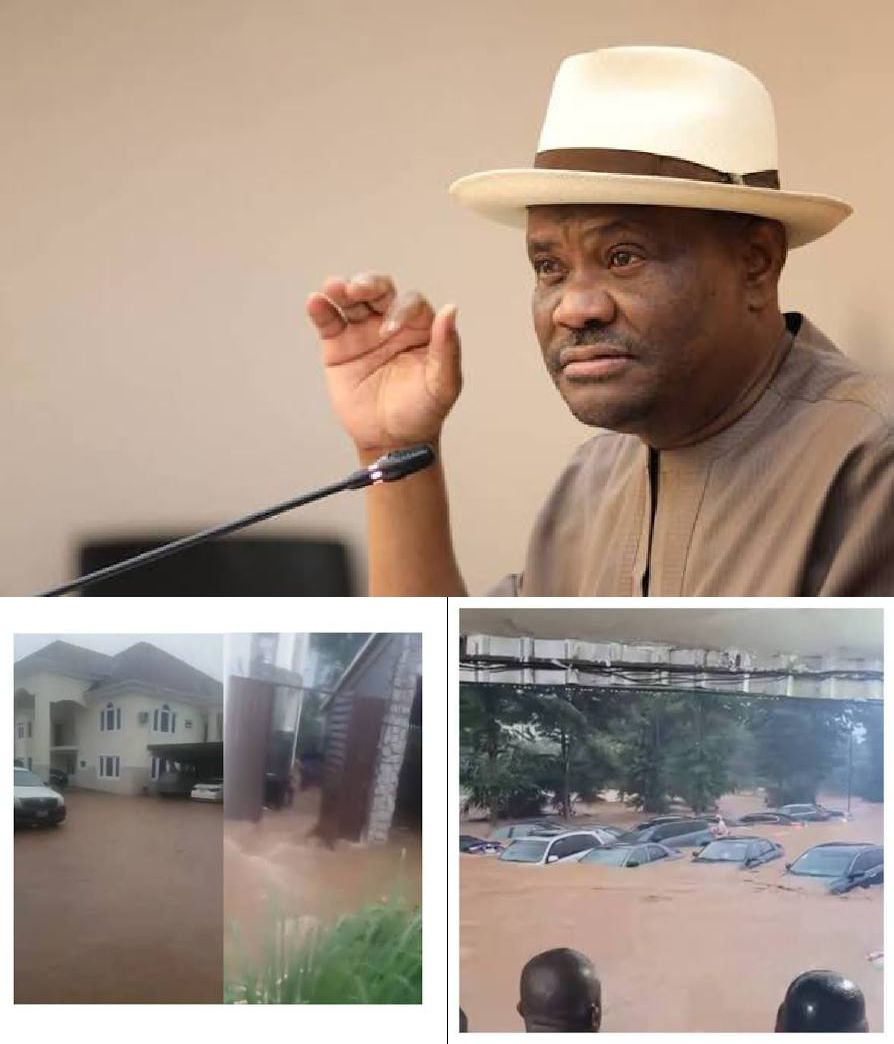
Flooding in the Federal Capital Territory is spreading to areas previously considered relatively safe, with experts warning that violations of Abuja’s original master plan and the loss of green spaces are worsening the crisis.
A new report by GST, titled “Abuja is Sinking,” argues that the increasing floods are not solely the result of heavy rainfall, but are also linked to human activities and uncontrolled development.
The report, hosted by Faizah Raji and featuring analysis by architecture analyst Folarowolo Odozi, challenges explanations that attribute the flooding mainly to above-average rainfall and climate-related factors.
According to the report, several parts of the capital have experienced repeated flooding in recent years. TradeMore Estate, for instance, has reportedly been affected by flooding about 15 times since 2014.

It also cited data indicating that flash floods triggered by heavy rainfall in 2024 claimed 15 lives in Nyanya and Garki.
Other areas reportedly experiencing increased flooding include Jabi, Wuse, Gwarinpa, Idu and the Central Business District.
The report traced part of the problem to Abuja’s 1979 Regional Land Use Plan, which designated about 40 per cent of the city’s more than 1,000-square-kilometre area as green belts and buffer zones.
These areas were intended to absorb a significant portion of rainfall and help channel excess water through natural drainage systems, including the Gurara and Usuma rivers.
The original plan also provided for buffer zones of between 30 and 50 metres along major streams to protect natural waterways and reduce the risk of flooding.
However, Odozi said many of these designated areas have been occupied by buildings.
“The master plan was supposed to put about 30 to 50 metre buffer zones around all the major streams in Abuja. But you can tell in our current city that we live in, houses have been built on it,” he said.
The report identified development around flood-prone areas and the fencing of parts of Jabi Lake Park among examples of how natural spaces have been reduced.
It also noted that extensive use of concrete and asphalt prevents rainwater from naturally soaking into the ground, increasing surface runoff and putting additional pressure on drainage channels.
The report referenced the activities of FCT Minister Nyesom Wike, including his enforcement and demolition drive, but noted that development and the removal of green areas have also contributed to the changing landscape of the capital.
The report warned that continued disregard for Abuja’s ecological planning could make flooding increasingly severe.
It concluded with a warning that “flood water will always follow nature. It will never follow politics,” urging authorities to restore and protect the city’s green belts, drainage corridors and ecological buffer zones.
It called for strict adherence to the original master plan and urgent measures to preserve remaining green spaces to prevent Abuja’s flooding crisis from worsening.