

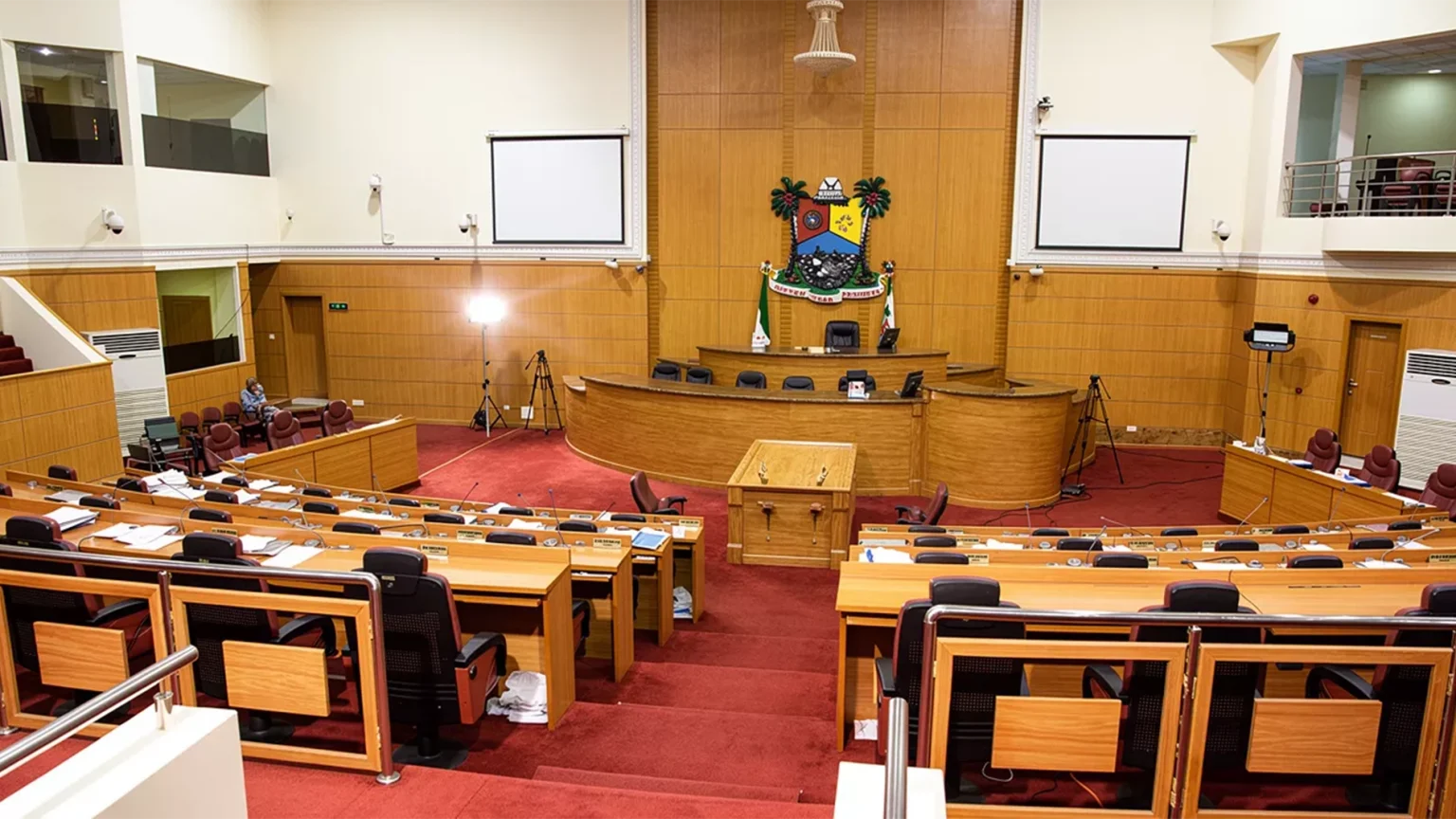
The recent House of Assembly primaries conducted by the All Progressives Congress (APC) in Lagos State have revealed a significant internal political realignment, reshaping the balance of power within the ruling party ahead of the 2027 elections.

The exercise reportedly resulted in the defeat of 14 sitting lawmakers who failed to secure return tickets, while 24 incumbents successfully retained their nominations, marking one of the biggest legislative turnovers in the state since 1999.
Multiple factors were said to have influenced the outcome, including fallout from a failed impeachment attempt against Speaker Mudashiru Obasa, factional rivalry between the Justice Forum and Mandate Group, and a broader push by party leadership and the Governance Advisory Council for fresh entrants into the Assembly.

The aftermath of the 2025 Assembly crisis reportedly played a major role, with lawmakers linked to the anti-Obasa camp allegedly facing political consequences during the primaries. The process was widely viewed within party circles as a test of loyalty rather than a conventional contest.
One of the most notable casualties was lawmaker Desmond Elliot, who lost his Surulere Constituency I ticket in a landslide defeat. His loss was linked by insiders to internal party tensions and alleged alignment during the earlier leadership crisis in the House.

Top Assembly officers, including the Majority Leader, Chief Whip and Deputy Chief Whip, also lost their return bids, underscoring the weakening protection of incumbency within Lagos APC politics.
Political observers say the outcome reflects a deeper restructuring within the party, as influence shifts between long-standing blocs such as the Mandate Movement and Justice Forum, with increasing weight now given to local government structures and grassroots mobilisation.

The development is also seen as part of the APC’s broader strategy to reposition itself ahead of 2027 by promoting younger and more grassroots-connected politicians in response to changing voter dynamics in Lagos.
While 24 lawmakers survived the primaries, attention has now turned to emerging contenders for the next Speaker of the House as the current leadership structure appears significantly altered.




