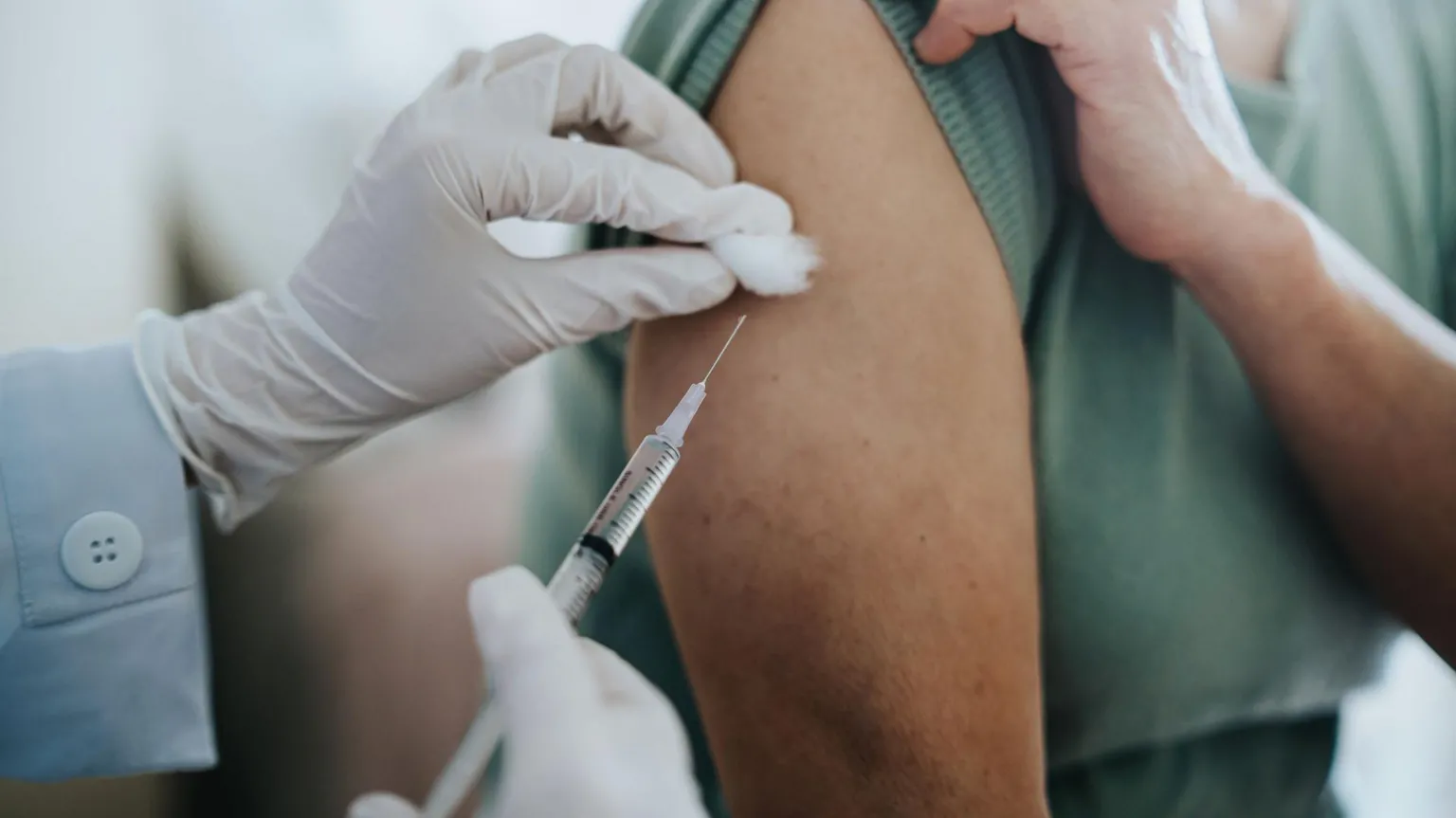
A personalised cancer vaccine developed by Moderna and Merck & Co., known as MSD outside the United States and Canada, has shown promising results in a large clinical trial involving patients with high-risk melanoma.
The vaccine, called Intismeran, was administered alongside Keytruda, an immunotherapy drug already used in cancer treatment. The treatment was given to patients after they had undergone surgery for melanoma, with the aim of reducing the risk of the cancer returning or spreading.
According to preliminary results announced by the two pharmaceutical companies, patients who received the personalised vaccine together with Keytruda remained cancer-free for longer than those who received Keytruda alone. The combination was also associated with a lower risk of the disease spreading to other parts of the body.
The Phase 3 trial involved more than 1,000 people diagnosed with high-risk stage two, three or four melanoma. The participants had cancers ranging from large tumours confined to a particular area to disease that had already spread to other parts of the body.

The vaccine is personalised for each patient and is designed to help the immune system recognise and attack cancer cells based on characteristics specific to their tumour.
Cancer specialists have described the findings as potentially significant for the future of cancer treatment, particularly because they suggest that personalised vaccines could work alongside existing immunotherapy to help prevent cancer from returning.
However, experts have urged caution because the complete trial results have not yet been published or independently peer-reviewed. More detailed data will be needed to determine how long the benefits last and how effective the treatment is across different groups of patients.
The treatment would also need to undergo regulatory review and approval before it could become widely available to patients.
If the positive findings are confirmed through further analysis and regulatory assessment, the trial could represent an important step towards using personalised vaccines as part of routine cancer care.