

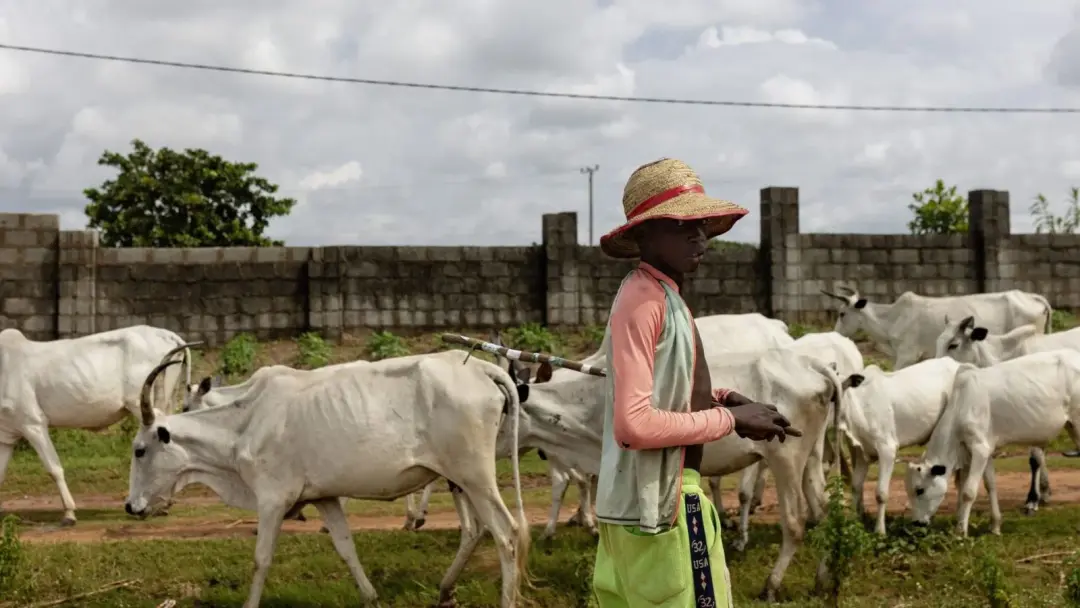
The Federal Government has unveiled plans to gradually end open grazing across Nigeria as part of a broader strategy to modernize the livestock industry and boost agricultural productivity.
Minister of Livestock Development, Idi Maiha, disclosed that authorities have identified 470 gazetted grazing reserves nationwide that will be rehabilitated and developed for the settlement of pastoral communities.

According to the minister, the initiative is designed to reduce the movement of cattle along highways and within major urban centres, while creating a more organized system for livestock management.
He explained that the implementation of the National Dairy Policy Framework will encourage herders to adopt a settled lifestyle, making it easier for government agencies to provide support services and improve livestock production.

Maiha noted that relocating pastoralists to designated grazing reserves would enhance animal health monitoring, disease prevention efforts, and livestock breeding programmes. It would also enable authorities to implement targeted interventions aimed at increasing productivity within the sector.
As part of the reforms, the government plans to introduce an electronic cattle identification and tracking system. The technology will allow authorities and livestock owners to monitor the movement of animals and quickly locate cattle that stray beyond approved areas, helping to reduce theft and losses.
The minister stated that the traditional practice of open grazing is becoming increasingly unsustainable, adding that long-distance cattle movement negatively affects productivity and hinders efforts to expand the country’s dairy industry.

He expressed concern over Nigeria’s low milk production levels, attributing the challenge to poor livestock genetics, inadequate feeding practices, and ineffective disease management systems.
Despite having an estimated 270 million ruminants, including cattle, goats, sheep, and camels, Maiha said Nigeria has yet to achieve significant progress in livestock breeding and genetic improvement.

He stressed that many countries have successfully increased livestock productivity through structured breeding programmes, while Nigeria continues to depend largely on traditional cattle breeds with lower output capacity.
The government believes the planned reforms will strengthen the livestock value chain, improve dairy production, and position the sector for long-term growth and sustainability.




