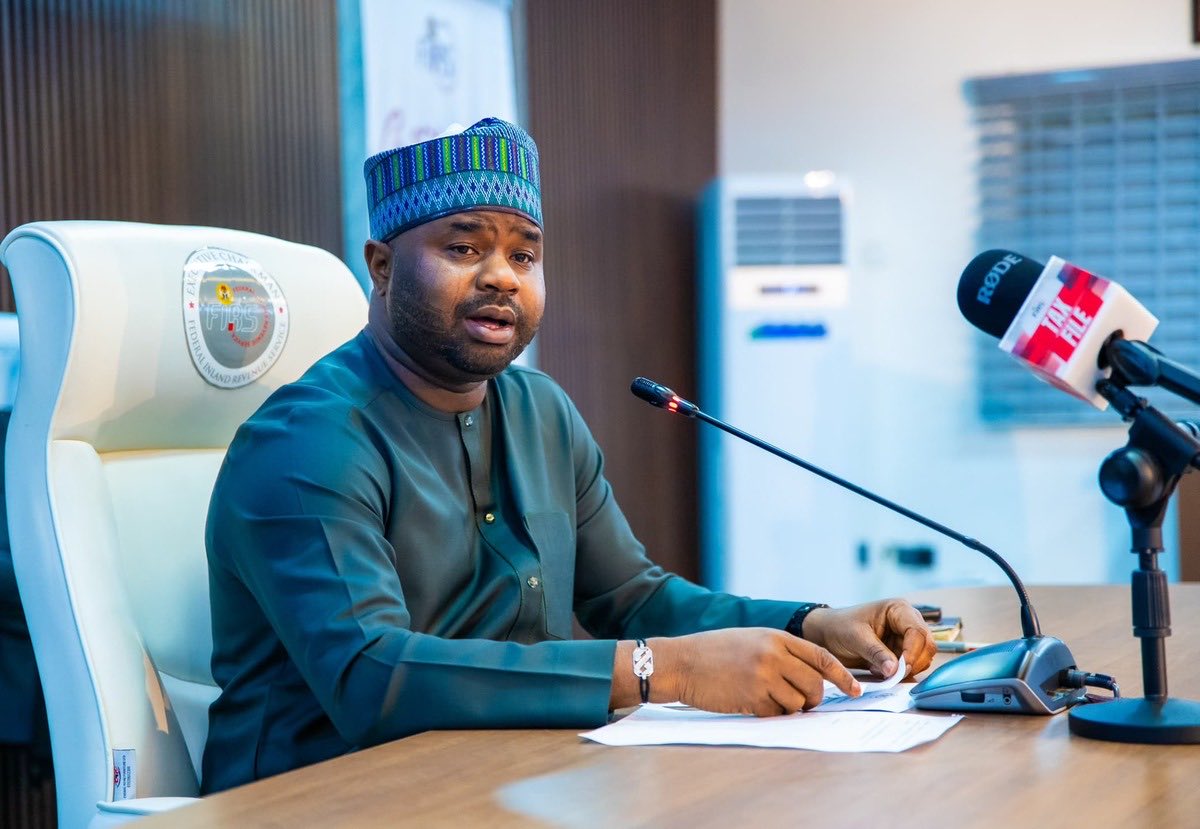
The Chairman of the Nigeria Revenue Service (NRS), Zacch Adedeji, has said Nigeria’s fuel subsidy bill could have risen to about N53 trillion, with the naira potentially depreciating to around N3,500 to the dollar, if President Bola Tinubu had not removed the subsidy in 2023.
Adedeji made the remarks during an interview on Channels Television on Sunday night while defending the Tinubu administration’s decision to remove the petrol subsidy.
The NRS chairman rejected suggestions that the government should have established fiscal buffers before removing the subsidy, arguing that the subsidy itself was financially unsustainable.
According to him, the government was effectively borrowing money to purchase petrol at a higher price and selling it to consumers at a lower price.
“Subsidy is not an income. It is like you are using your borrowing money to buy a product and that product is 10 naira, and you are selling it at 3 naira,” Adedeji said.

He argued that creating a fiscal buffer before ending the subsidy would not have solved the underlying problem because the government was already financing the scheme with borrowed funds.
Adedeji said the potential cost of maintaining the subsidy would have increased significantly due to developments in global oil markets and geopolitical tensions.
“The subsidy today would have been N53 trillion if Mr President had not removed it, given what is happening in Iran, given what is happening globally,” he said.
“With the ripple effects of that, the exchange rate today would have been around N3,500 if that had not been done,” he added.
The NRS chairman compared the projected subsidy cost with Nigeria’s current budget, saying such an obligation would have placed an unsustainable burden on government finances and reduced the funds available for other sectors of the economy.
He therefore described the subsidy removal as a necessary economic intervention rather than a policy mistake.
“It is not a mistake. It is the best thing that has happened to the economy,” he said.
Tinubu defended over subsidy removal
Adedeji also defended the timing of the subsidy removal, saying Tinubu prioritised the long-term stability of the economy over short-term political considerations.
He commended the President for taking the decision despite its potential political consequences.
“We should commend Mr President for not being a politician or being preoccupied and forgetting whether I want to have an election or not, but focusing on having a solid foundation for this economy,” Adedeji said.
Tinubu removed the petrol subsidy on May 29, 2023, shortly after his inauguration. The decision ended a system under which the government absorbed part of the cost of petrol to keep pump prices below market-related levels.

The policy triggered a sharp increase in petrol prices and contributed to higher transportation and living costs. However, the Federal Government has consistently maintained that subsidy removal was necessary to reduce fiscal pressures and redirect public funds towards productive sectors.
Earlier this year, Tinubu said the removal of the subsidy had saved Nigeria from imminent bankruptcy and helped lay the foundation for economic recovery.
Senator Solomon Adeola, a lawmaker from the ruling All Progressives Congress, had also claimed that Nigeria was saving more than N10 trillion annually following the removal of the subsidy.
Concerns over subsidy savings
Despite the government’s defence of the policy, questions remain over how the savings from subsidy removal have been utilised.
Advisory firm CFG Advisory has warned that the fiscal gains from the reform have been largely absorbed by debt servicing, leaving the Federal Government with limited capacity to finance development projects and provide meaningful social interventions.
The firm argued that the diversion of subsidy savings towards debt servicing weakens the fiscal relief expected from the reform and raises concerns about the sustainability of the government’s current fiscal strategy.
Adedeji’s latest comments add to the administration’s continued defence of the subsidy removal, with government officials maintaining that the policy was necessary to prevent a deeper fiscal crisis and create a more sustainable foundation for Nigeria’s economy.