

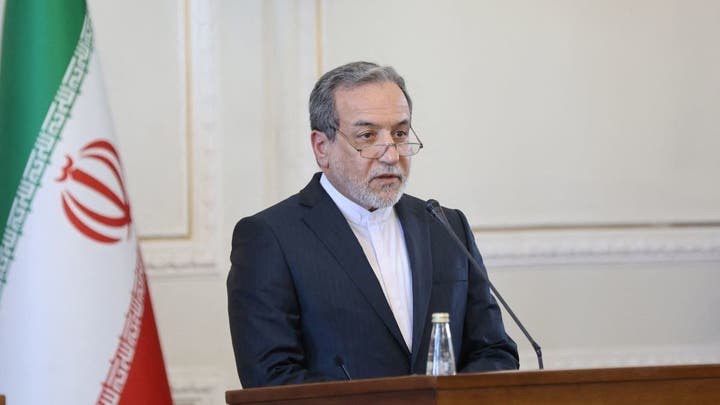
Abbas Araghchi has arrived in Russia for high-level discussions, as fragile diplomatic efforts between Iran and the United States continue amid regional tensions.

The Iranian foreign minister is expected to meet Vladimir Putin in Saint Petersburg following a series of visits across the region, including stops in Oman and Pakistan, aimed at sustaining dialogue channels between Tehran and Washington.

Reports indicate that Iran has passed written messages to the United States through intermediaries, outlining key conditions, particularly on nuclear matters and control of the Strait of Hormuz. While these communications are not part of formal negotiations, they signal ongoing backchannel efforts to prevent further escalation.
Meanwhile, Donald Trump stated that the United States remains open to talks but expects Iran to initiate direct engagement if it is serious about negotiations.

Tensions remain high despite a temporary ceasefire in the conflict involving Iran, the US, and Israel. Iran’s closure of the Strait of Hormuz has disrupted global supplies of oil, gas, and fertilisers, driving up prices and raising concerns about economic instability and food security, particularly in developing nations.
Although there are indications of proposals to ease tensions and reopen the strategic waterway, Iran’s military has maintained that the blockade remains a key part of its strategy.

At the same time, clashes between Israel and Hezbollah in Lebanon threaten to undermine an already fragile ceasefire. Benjamin Netanyahu accused Hezbollah of violating the truce, while the group insists it is responding to continued Israeli actions.

Recent airstrikes in southern Lebanon have resulted in multiple casualties, further heightening fears of renewed conflict in the region.
With diplomatic efforts ongoing but no clear breakthrough in sight, the situation continues to pose significant risks to global stability and energy markets.




