

Farmers across several states in Nigeria are increasingly withdrawing from this year’s dry-season farming due to falling food prices, rising input costs, and worsening insecurity, raising concerns over future food supply.

Reports indicate that the dry-season agricultural cycle, which usually attracts large-scale participation after the rainy harvest, has begun on a slow note as many farmers say they cannot recover losses recorded during the last farming season.
In previous years, farmers actively engaged in irrigation farming for crops such as rice, maize, wheat, tomatoes, and vegetables, driven by favourable market prices. However, the recent crash in grain prices, especially rice, maize, and wheat, has left many farmers unable to finance new planting cycles.

Several farmers across Kano, Jigawa, Taraba, Kebbi, Niger, Plateau, Benue, and Kwara states said they suffered heavy financial losses during the last harvest period, worsened by the rising cost of fertiliser, fuel, labour, and other farm inputs.
Many also blamed government policy decisions, including increased importation of grains, which they say contributed to the sharp decline in local commodity prices. As a result, some farmers are either scaling down operations or opting out of dry-season farming entirely.
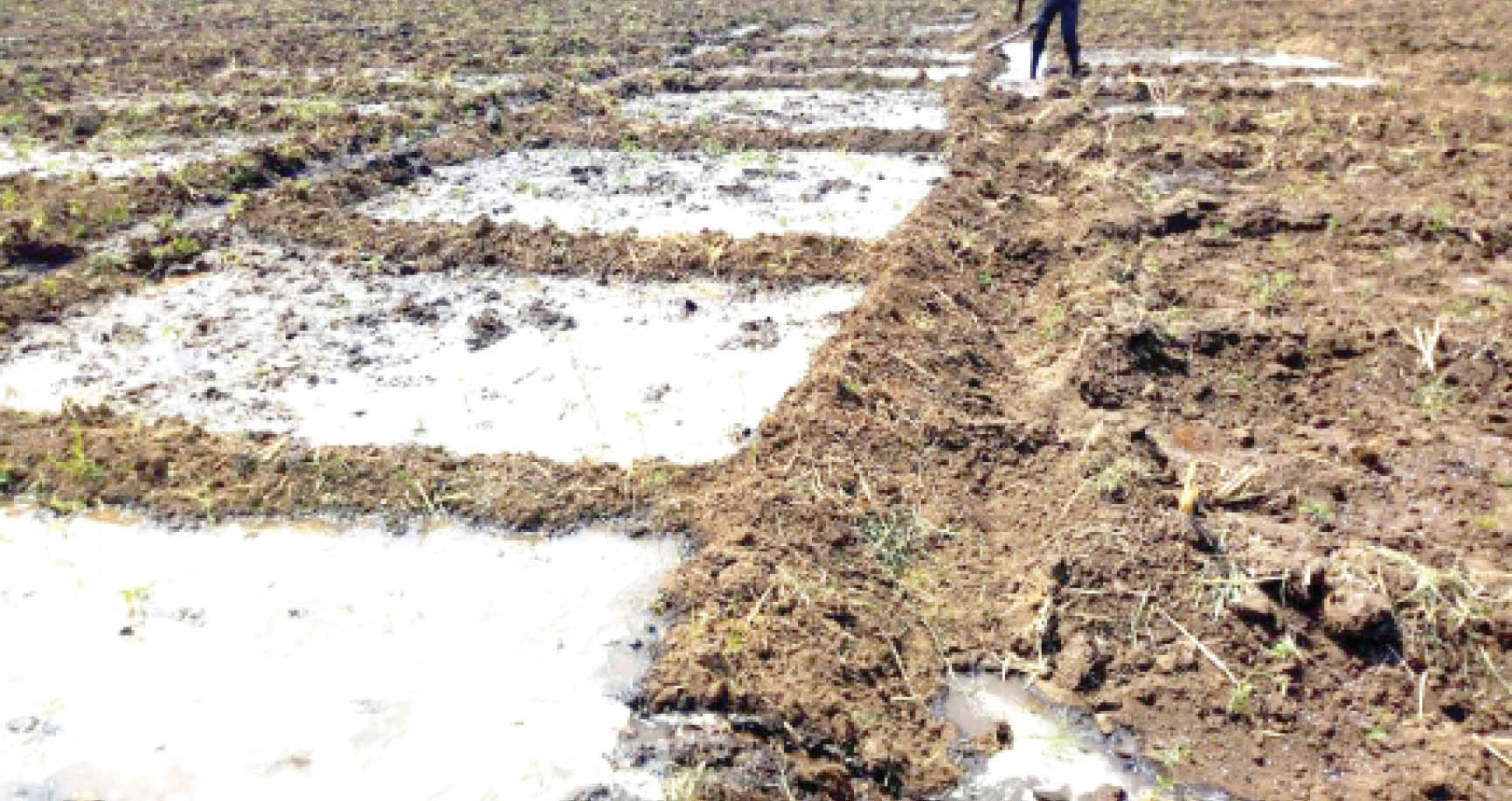
In irrigation sites visited in some northern communities, large portions of farmland that should have been cultivated remain unused, with farmers describing the current situation as risky and unsustainable for investment.

Some large-scale farmers reported losses running into millions of naira, with many saying they had to sell produce at very low prices just to fund previous farming debts. Others noted that even when they manage to plant, accessing markets and selling produce has become increasingly difficult due to reduced demand from millers and traders.
Security concerns have also contributed to the decline, particularly in areas affected by banditry and insurgent activities, where farmers say they are unable to safely access farmlands or protect their investments.

Despite the challenges, the federal government says it is expanding its dry-season farming programme, targeting hundreds of thousands of hectares under irrigation schemes aimed at boosting food production and reducing dependence on imports.
However, many farmers argue that without subsidies, guaranteed pricing, improved security, and direct support for genuine farmers, participation in dry-season farming may continue to decline.
Agricultural experts warn that the combined effects of price crashes, high production costs, climate challenges, and insecurity could significantly weaken Nigeria’s food production capacity if urgent interventions are not implemented.




