Stakeholders in Nigeria’s real estate sector have called for urgent urban redevelopment in Lagos, warning that the state’s rapidly growing population is putting severe pressure on existing infrastructure and housing.
This was the focus of discussions on Thursday at an event in Lagos organised by Exclusive Estate in partnership with BusinessDay, themed “Exploring Redevelopment Investment Opportunities in Lagos Mainland Real Estate Sector.”
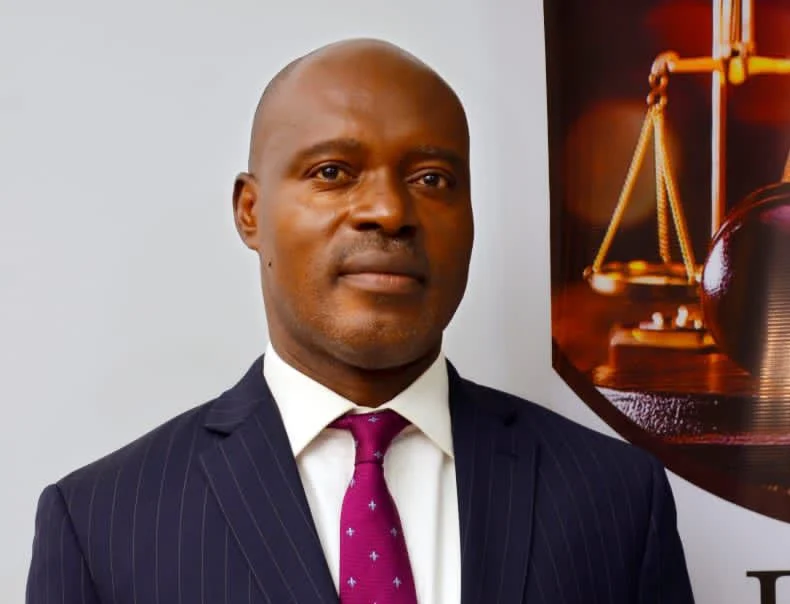
Speaking at the event, Chairman of Exclusive Estate, Mr Peter Adobamen, said Lagos Mainland remains strategically positioned due to its proximity to key business districts and transport links, noting that a large majority of Lagos residents already live there.
According to him, about 85 per cent of the state’s population resides on the mainland.
He explained that while many residents previously moved to areas like Lekki in search of better living conditions, traffic realities are gradually shifting people back toward the mainland.
“I have a friend who moved to Sangotedo, and it takes him about four hours to get to Victoria Island. But from Yaba, you can get to Marina or Victoria Island in 10 to 15 minutes,” he said.
Adobamen noted that the mainland’s connectivity to the Central Business District gives it an advantage over other parts of the city, adding that many older structures are now being replaced with modern developments.

He also pointed to changing lifestyle preferences, especially among younger residents, who are increasingly opting for smaller and more functional apartments rather than large duplexes.
“The younger generation is more realistic now. The era of the big five-bedroom duplex is fading. People want smaller, smarter units,” he said.
However, he identified financing as one of the biggest barriers to urban redevelopment, citing high interest rates and regulatory complexities as major constraints.
“Finance has been one of the biggest challenges. It’s not just regulation, but how we balance regulation with the realities of development,” he added.
He also raised concerns about the social impact of redevelopment projects, particularly displacement of low-income communities, urging government intervention to ensure a fair balance.
In his keynote address, Professor Timothy Nubi, Director of the Centre for Housing & Sustainable Development at the University of Lagos, called for a reduction in the high cost of property documentation in Lagos.
He recalled earlier recommendations by former Lagos State Governor Babatunde Fashola, who had advised that costs related to Certificates of Occupancy, land assessment, and documentation be reduced to encourage development.
“These costs are stifling projects. People are discouraged before they even begin construction,” he said.
Prof. Nubi warned that excessive approval costs could encourage illegal and substandard construction practices, as developers attempt to cut corners.

“When approvals are too expensive, people build informally. Instead of concrete, they may resort to cheaper materials just to reduce costs,” he explained.
He also highlighted the absence of a strong facility management culture in Nigeria’s real estate sector, noting that it remains a critical gap in the industry.
Looking ahead, he warned that Lagos’ population growth could become overwhelming if current trends continue, driven by both economic migration and insecurity in other parts of the country.
“Every day, about 900 people move to Lagos with no intention of returning. If insecurity continues elsewhere, that number will rise,” he said.
He projected that Lagos could reach a population of about 60 million within the next 25 years if adequate planning is not put in place.
Prof. Nubi also emphasized the need for housing designs that reflect changing demographics and lifestyles, noting that modern residents increasingly prefer compact, efficient living spaces.
“People now want functional spaces—just a place to work and a place to rest. The market must respond to that reality,” he said.