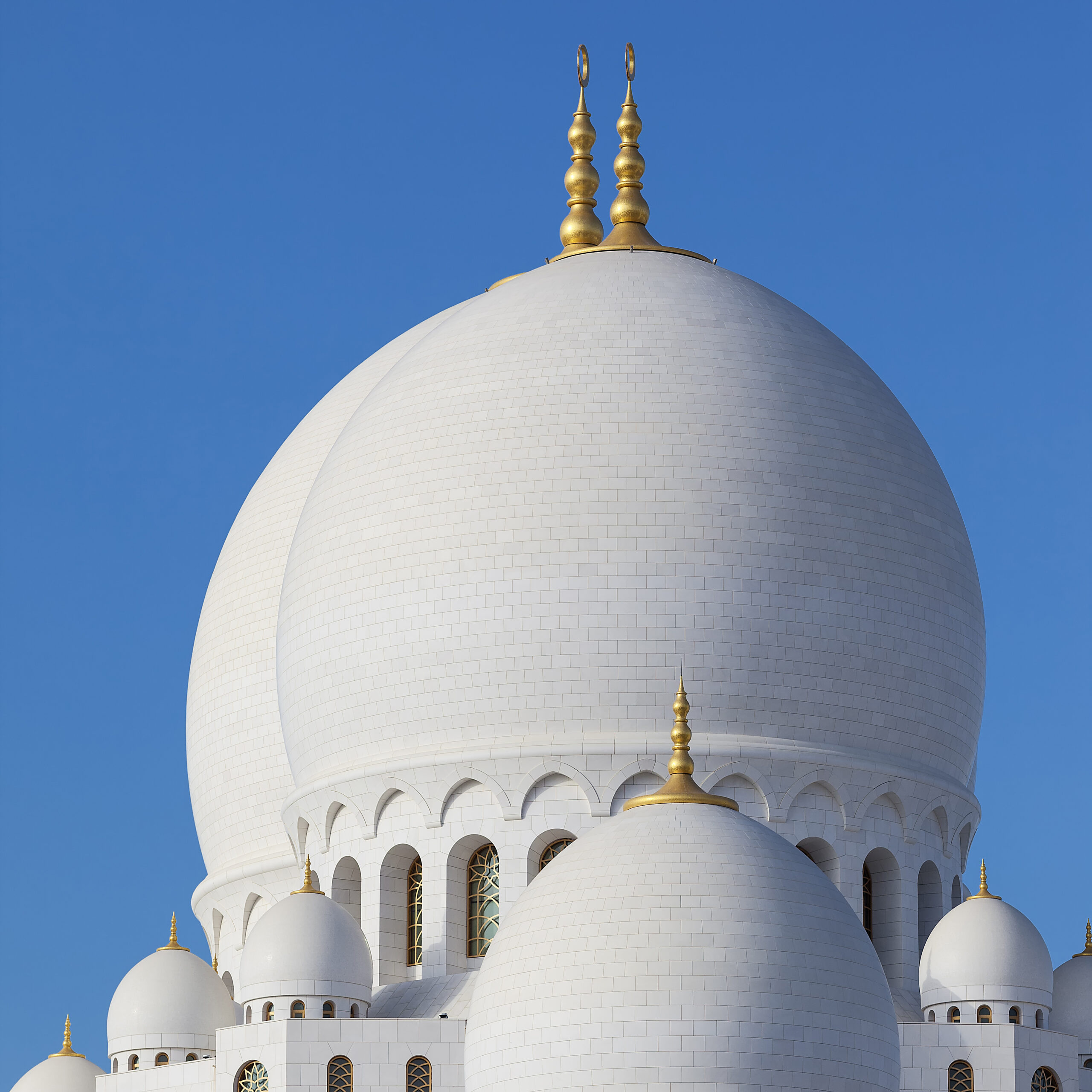
The Book of Dress – Kitab al-Libas
Narrated Al-Bara:
The Prophet (ﷺ) ordered us to observe seven things: To visit the sick; follow funeral processions; say ‘May Allah bestow His Mercy on you’, to the sneezer if he says, ‘Praise be to Allah!; He forbade us to wear silk, Dibaj, Qassiy and Istibarq (various kinds of silken clothes); or to use red Mayathir (silkcushions).
حَدَّثَنَا قَبِيصَةُ، حَدَّثَنَا سُفْيَانُ، عَنْ أَشْعَثَ، عَنْ مُعَاوِيَةَ بْنِ سُوَيْدِ بْنِ مُقَرِّنٍ، عَنِ الْبَرَاءِ ـ رضى الله عنه ـ قَالَ أَمَرَنَا النَّبِيُّ صلى الله عليه وسلم بِسَبْعٍ عِيَادَةِ الْمَرِيضِ، وَاتِّبَاعِ الْجَنَائِزِ، وَتَشْمِيتِ الْعَاطِسِ، وَنَهَانَا عَنْ لُبْسِ الْحَرِيرِ، وَالدِّيبَاجِ، وَالْقَسِّيِّ، وَالإِسْتَبْرَقِ، وَمَيَاثِرِ الْحُمْرِ.

Sahih al-Bukhari 5849
1. al-Hafidh Ibn Hajar al-Asqalani in his commentary of this hadith discussed the Prophet’s ﷺ prohibition of silk, brocade, istabraq (luxurious thick silk), and red mayaathir. The term mayaathir refers to padded coverings or cushions used on riding equipment, such as horse saddles and camel saddles. Scholars differed on their exact form: they may have been silk saddle coverings, decorative saddlecloths, or padded cushions placed beneath a rider. Reports from ʿAli (may Allah be pleased with him) specifically mention the prohibition of red mayāthir and arguwaan (a vivid red material or colour). — Fathul Baari, Ibn Hajar al-Asqalani
2. Ibn Hajar further explained that the ruling depends partly on the material and purpose of these coverings. If they were made of silk, the prohibition relates to the restriction on using silk, including sitting on it. If they were not silk, the prohibition may have been intended to prevent imitation of non-Muslims, excessive luxury, or extravagant adornment. Some scholars understood the restriction to apply specifically to red mayaathir, based on narrations that qualify the general prohibition with the colour red. — Fathul Baari, Ibn Hajar al-Asqalani
3. Ibn Hajar concluded that the reason for the prohibition may differ according to the circumstances. If the concern was imitation of non-Muslims, the ruling may change when the item no longer represents their distinctive customs. If the concern was excessive luxury or attachment to comfort, the prohibition serves a worldly benefit by preventing dependence on such luxuries. Thus, the ruling cannot be determined by the colour alone; the material, purpose, and reason for the prohibition must also be considered. Allah knows best. — Fathul Baari, Ibn Hajar al-Asqalani

*O Allah, adorn us with the beauty of faith, make our clothing a means of covering and well-being, purify our hearts from arrogance and pride, and grant us humility and piety. Make Your blessings upon us a means of helping us obey You, and do not make them a cause of conceit or extravagance. Ãmeen*
اللَّهُمَّ صَلِّ عَلَىٰ مُحَمَّدٍ وَعَلَىٰ آلِ مُحَمَّدٍ
Allahumma salli ‘ala Muhammadin wa ‘ala aali Muhammad.
May Allah fill your heart with peace, your home with barakah, and your life with His divine mercy and guidance.
رَبَّنَا آتِنَا فِي الدُّنْيَا حَسَنَةً وَفِي الْآخِرَةِ حَسَنَةً وَقِنَا عَذَابَ النَّارِ
Rabbana atina fid-dunya hasanatan wa fil-akhirati hasanatan wa qina ‘adhaban-nar.
(Our Lord, grant us good in this world and good in the Hereafter and protect us from the punishment of the Fire.)
May Allah forgive our sins, accept our prayers, ease our burdens, grant healing to the sick, success to the striving, and abundant blessings to our families.
حَسْبُنَا اللَّهُ وَنِعْمَ الْوَكِيلُ
Hasbunallahu wa ni’mal wakeel.
(Allah is sufficient for us, and He is the Best Disposer of affairs.)
May this blessed Friday bring you divine favour, protection, good health, prosperity, and answered prayers.
Jummat Mubarak. Ameen.
﴿ يَا أَيُّهَا الَّذِينَ آمَنُوا إِذَا نُودِيَ لِلصَّلَاةِ مِن يَوْمِ الْجُمُعَةِ فَاسْعَوْا إِلَىٰ ذِكْرِ اللَّهِ وَذَرُوا الْبَيْعَ ۚ ذَٰلِكُمْ خَيْرٌ لَّكُمْ إِن كُنتُمْ تَعْلَمُونَ ﴾
﴿ فَإِذَا قُضِيَتِ الصَّلَاةُ فَانتَشِرُوا فِي الْأَرْضِ وَابْتَغُوا مِن فَضْلِ اللَّهِ وَاذْكُرُوا اللَّهَ كَثِيرًا لَّعَلَّكُمْ تُفْلِحُونَ ﴾
﴿ وَإِذَا رَأَوْا تِجَارَةً أَوْ لَهْوًا انْفَضُّوا إِلَيْهَا وَتَرَكُوكَ قَائِمًا ۚ قُلْ مَا عِندَ اللَّهِ خَيْرٌ مِّنَ اللَّهْوِ وَمِنَ التِّجَارَةِ ۚ وَاللَّهُ خَيْرُ الرَّازِقِينَ ﴾
What is Afiyah?
The SHORTEST POWERFUL PRAYER
Al-Abbas (R.A.), the uncle of the Prophet (ﷺ), came to the Prophet (ﷺ) and said:
“Ya Rasulullah, teach me a du’a.”
The Prophet ( ﷺ) said:
“O my uncle, say:
ALLAHUMMA INNI AS’ ALUKA AL’AFIYAH
(O Allah, I ask you for afiyah).
Know what is Afiyah?
Afiyah means –
● To be saved from any afflictions, you are in afiyah.
● To be healthy, you are in afiyah.
● To have enough money, you are in afiyah.
● To live, you are in afiyah.
● To have your children protected, you are in afiyah.
●And if you are forgiven and not punished, you are in afiyah.
So basically, Afiyah means:
“O Allah, protect me from any pain and sufferings.”
This includes both dun’ya and akhirah.

Al-Abbas (R.A.) thought about this for a while, and then he came back after a few days and said (paraphrased):
Ya Rasulullah, this du’a seems a little short. I want something big.”
The Prophet (ﷺ) said:
“My dear uncle, ask Allah for Afiyah for Wallahi, you cannot be given anything better than afiyah.”
It is a simple du’a.
Sincerely mean what you say while praying.
“O Allah, I ask You to be saved from any:
distress,
grief,
hardship,
harm, and
don’t test me, etc.”
All of this is included in
“Allahumma inni as’aluka al’afiyah”
(Riyadh As Saliheen, Sunan At-Tirmidhi).
Make sure to share this to others and tell r friends:

Prophet Muhammed (ﷺ) said :
“Convey from me, even if it is one verse.”
May ALLAH accept all our prayers.Ameen.
Share this, Baarakallaah Feekum: [“One who guides to something good has a reward similar to that of its doer” – Saheeh Muslim vol.3, no.4665]
Bismillāhir-Raḥmānir-Raḥīm.
On this blessed Jummah, we turn to You, Ya Allah, with hearts seeking light, mercy, and forgiveness.
﴿ رَبَّنَا ظَلَمْنَا أَنفُسَنَا ﴾
“Our Lord, we have wronged ourselves…” — 7:23
Allāhumma ighfir lanā, warḥamnā, wa tub ‘alaynā.
O Allah, forgive us, have mercy on us, and accept our repentance.
Allāhumma innī as’aluka ḥubbak wa riḍāk.
O Allah, grant us Your love and Your pleasure.

حَسْبُنَا اللَّهُ وَنِعْمَ الْوَكِيلُ
Allah is sufficient for us.
Protect us, heal us, guide us, and bless our families and sustenance.
رَبِّ اشْرَحْ لِي صَدْرِي — O Lord, expand our hearts and ease our affairs.
O Allah, make this Jummah a doorway to goodness, answered prayers, and tranquility.
Āmīn.

Jummat Mubarak.
May Allah fill your heart with peace, your home with barakah, and your life with His endless mercy and favour. May every silent prayer be answered, every burden be eased, and every step guided by divine light. Ameen.
فَإِنَّ مَعَ الْعُسْرِ يُسْرًا
Fa inna ma‘al-‘usri yusraa.
“Indeed, with hardship comes ease.” — Qur’an 94:5
رَبَّنَا آتِنَا فِي الدُّنْيَا حَسَنَةً وَفِي الْآخِرَةِ حَسَنَةً
Rabbanaa aatinaa fid-dunyaa hasanatan wa fil-aakhirati hasanah.
“Our Lord, grant us goodness in this world and in the Hereafter.” — Qur’an 2:201
May today bring healing, guidance, protection, and answered prayers. Ameen.
All praise and glory belong to Allah, the Mighty, the All-Wise, the Giver of victory and relief.
We worship You alone, we rely on You alone, and to You we return.
You are our Protector, our Strength, and our Sufficiency.

﴿رَبَّنَا ظَلَمْنَا أَنفُسَنَا وَإِن لَّمْ تَغْفِرْ لَنَا
وَتَرْحَمْنَا لَنَكُونَنَّ مِنَ الْخَاسِرِينَ﴾
“Our Lord, we have wronged ourselves. If You do not forgive us and have mercy on us, we will surely be among the losers.” (Qur’an 7:23).
O Allah, forgive our sins completely—openly and secretly.
Cleanse our hearts from pride, hatred, and despair.
Grant us strong bodies, sound minds, and healing from every illness, seen and unseen.
﴿وَإِذَا مَرِضْتُ فَهُوَ يَشْفِينِ﴾
“And when I am ill, it is He who cures me.” (Qur’an 26:80).

O Allah, grant us victory over evil, injustice, and all those who plot harm against us.
Expose falsehood, frustrate evil schemes, and establish truth and righteousness.
Be our shield and our defender.
﴿حَسْبُنَا اللَّهُ وَنِعْمَ الْوَكِيلُ﴾
“Allah is sufficient for us, and He is the best Disposer of affairs.” (Qur’an 3:173)
O Allah, open for us doors of prosperity, success, and lawful abundance. Bless our efforts, multiply our results, and crown our struggles with lasting achievement.
Make our success a source of gratitude, not arrogance, and our wealth a means of goodness.
Accept our du‘ā on this blessed Jumu‘ah. Grant us peace in this world, honor in our affairs, and the highest place in Jannah.
Āmīn.
Princess G. Fraser. MFR
The National Patriots.
Fraser Consulting Consortium.