

Insecurity Worsens as Push for State Police Gains Momentum in Nigeria
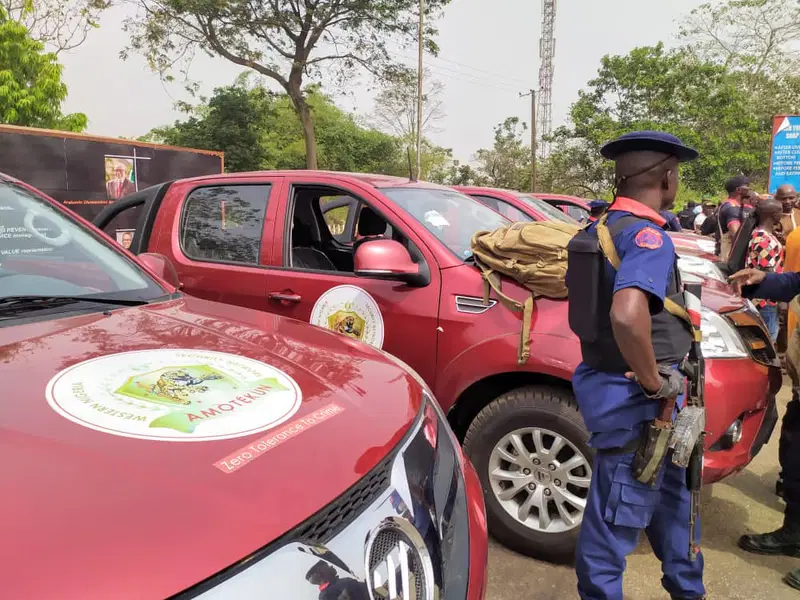
Nigeria is witnessing renewed calls for the establishment of state police amid escalating insecurity across several parts of the country. The development gained momentum after the Inspector-General of Police, Olatunji Rilwan Disu, inaugurated a committee to develop a framework for state policing.
The move comes as the National Assembly of Nigeria considers the State Police Constitution Alteration Bill, a proposal aimed at restructuring the country’s policing system and allowing states to establish their own police forces.
The renewed debate follows a wave of violent attacks across the country in recent weeks, leaving communities in fear and highlighting gaps in the existing security structure.

Rising Violence Across Regions
In the North-East, insurgents linked to Boko Haram and the Islamic State West Africa Province reportedly attacked Ngoshe community in Gwoza Local Government Area, Borno State. The attackers allegedly killed several residents, including the community’s chief imam, destroyed homes, and abducted more than 300 villagers.
A video circulated online showed armed militants claiming responsibility for the attack and declaring the community part of their “caliphate.” They also threatened to hold Eid al-Fitr prayers in the area.
Security sources said militants also attacked nearby military positions, reportedly killing several soldiers during the assaults.
Elsewhere, deadly attacks were reported in Benue State, Niger State, and Kogi State, where gunmen killed dozens of residents and abducted travellers along highways.
In Ebonyi State, a traditional ruler, Ezeogo Francis Igwe, was kidnapped while travelling to church in Ikwo Local Government Area. The kidnappers reportedly demanded a ransom of ₦250 million before the monarch was later killed during negotiations with his captors.
Meanwhile, suspected armed herders attacked communities in Kwande Local Government Area of Benue State, killing about 20 people and forcing many residents to flee their homes.
International Concerns
The escalating violence has also attracted international attention. A U.S. lawmaker, Riley M. Moore, raised concerns about reported attacks on Christians in Nigeria.
He cited incidents such as the burning of St. Mary’s Catholic Cathedral and alleged killings of Christian residents in several northern communities. Moore said the situation had been raised in a report submitted to the White House, urging Nigerian authorities to take stronger measures to protect vulnerable communities.

State Police Proposal
Against this backdrop, the police chief said the newly inaugurated committee would develop a workable model for state policing that complements the existing federal system.
According to Disu, the committee will review policing systems within and outside Nigeria, assess community security needs, and design a structure that ensures accountability and professionalism in state police operations.
“If properly designed and implemented, state policing could bring law enforcement closer to the people and enable quicker responses to emerging threats within communities,” he said.
The proposed constitutional amendment would modify Section 214 of the Constitution of Nigeria (1999), which currently grants exclusive policing authority to the Nigeria Police Force.
Under the proposal, states would be allowed to create their own police services to handle local security issues such as community policing, rural security operations, and enforcement of state laws, while the federal police would continue to handle national and interstate crimes.
Debate Over the Reform
The proposal has generated intense debate among lawmakers, security experts and civil society groups.
Deputy Speaker of the House of Representatives, Benjamin Kalu, described community-based policing as a necessity given the growing security challenges.
Similarly, lawmakers such as Kingsley Chinda and Sada Soli argued that decentralised policing could improve local intelligence gathering and faster responses to security threats.
However, some leaders have expressed concerns about possible political abuse of state police by governors.

Path to Becoming Law
The State Police Constitution Alteration Bill is among several constitutional amendments currently under consideration by both chambers of the National Assembly.
If approved by the Senate of Nigeria and the House of Representatives of Nigeria, it will require endorsement by at least two-thirds of state assemblies before being signed into law by President Bola Ahmed Tinubu.
Security analysts believe the reform could significantly reshape Nigeria’s security architecture by decentralising policing responsibilities and improving community-level responses to crime.
For many Nigerians living in regions affected by banditry, insurgency and communal violence, the success of the proposal may determine whether communities can regain a sense of safety after years of escalating insecurity.




