

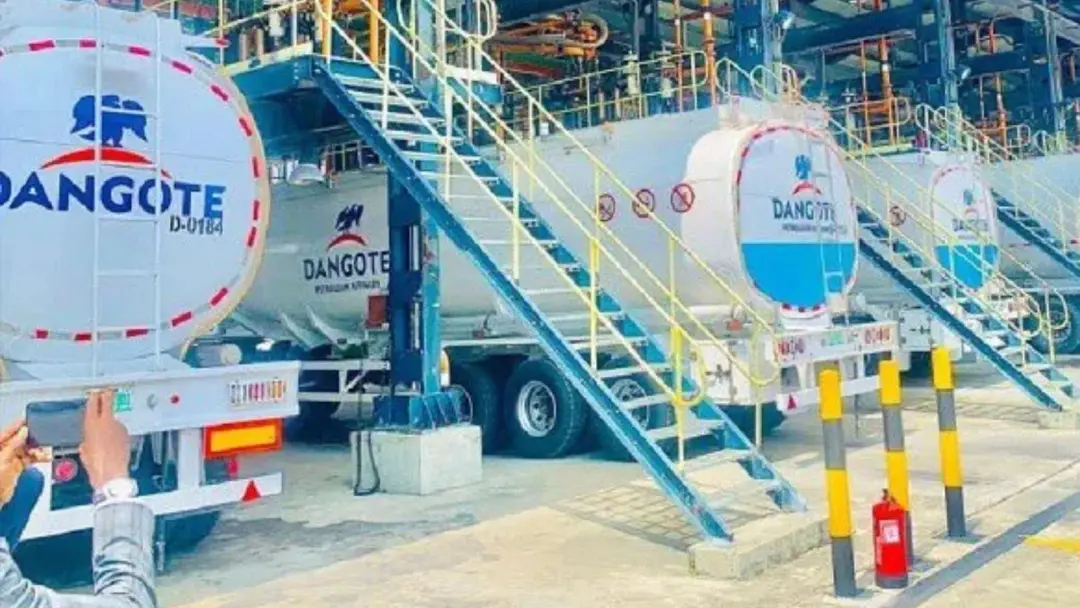
The Dangote Petroleum Refinery has raised the ex-depot price of Premium Motor Spirit (PMS), also known as petrol, to ₦1,275 per litre, marking its fifth increase within three weeks.

This latest adjustment reflects a ₦100 rise from the ₦1,175 per litre price earlier in the month, as well as a ₦30 increase from the ₦1,245 per litre announced just hours before. The refinery confirmed that the new pricing takes effect immediately.
Customers were informed that all previous pricing communications should be disregarded, as updated rates now apply to both gantry and coastal supply channels. The coastal price rose significantly, while the gantry price moved up to ₦1,275 per litre.

The company explained that the revised rates apply to all pending and new transactions from March 21, 2026. However, clients operating under existing credit arrangements will still be able to lift products, provided they cover the difference caused by the price change.
The rapid and repeated price increases highlight the mounting pressure within the fuel market. Despite expectations that the refinery would help stabilise supply, petrol pricing in Nigeria remains highly sensitive to global crude oil trends and foreign exchange fluctuations.

Earlier in March, petrol from the facility was priced at about ₦774 per litre. Within less than three weeks, the cost has climbed by more than 60 per cent, reflecting the combined impact of rising international oil prices and currency instability.
Industry experts note that in a deregulated environment, fuel prices tend to adjust quickly in response to global market conditions. They also pointed to logistics costs, distribution challenges, and supply-demand imbalances as contributing factors.

The increase is likely to lead to higher pump prices nationwide, which could in turn affect transportation costs and the prices of goods and services.
At the same time, the refinery is experiencing growing demand from other African nations such as South Africa, Ghana, and Kenya, as global fuel supply chains continue to face disruptions linked to tensions involving Iran.
The refinery maintained that the price adjustments are necessary to reflect current market realities, noting that the changes are largely driven by external factors beyond its control.




