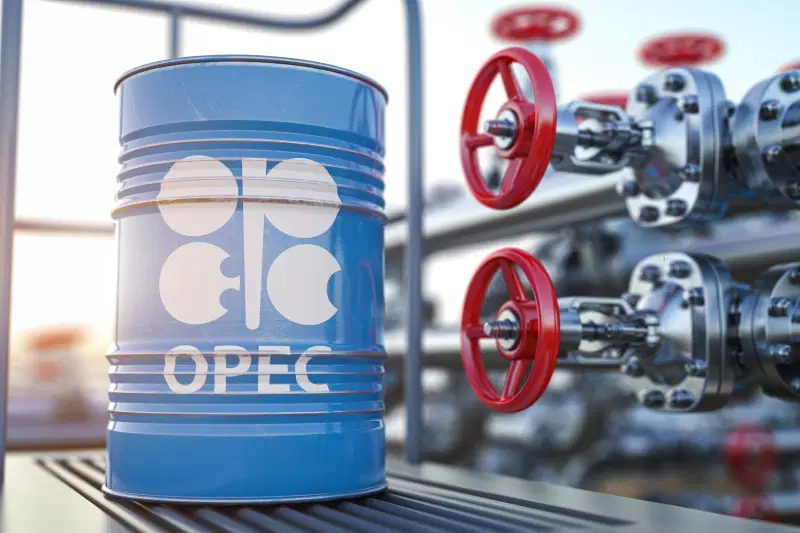
The potential exit of the United Arab Emirates (UAE) from OPEC would not just be a regional development—it could reshape global oil politics and markets in several important ways.
First, the UAE, which consists of seven emirates including Abu Dhabi and Dubai, is one of OPEC’s key producers. Its departure would weaken the organisation’s cohesion and could even prompt other members, including countries like Nigeria, to reassess their long-term participation if internal disagreements deepen.
Second, outside OPEC restrictions, the UAE would have the freedom to increase oil production without quota limits. This added supply could flood the global market and push crude oil prices lower.

Such a shift would likely increase friction with Saudi Arabia, OPEC’s dominant voice, as unity within the group is central to stabilising global oil supply and pricing.
At the same time, non-OPEC producers like the United States and Russia could benefit from a more fragmented market, gaining greater influence over global pricing dynamics.
If coordination within OPEC weakens further, more member states may begin prioritising national production interests over collective decisions, potentially reducing the organisation’s overall effectiveness.
For oil pricing benchmarks such as Brent crude, increased UAE output could contribute to downward pressure, especially if supply begins to outpace demand.

Countries like Nigeria, which rely heavily on oil revenue but have limited production capacity and fiscal flexibility, may feel the impact more sharply through reduced export earnings and increased competition in global markets.
Refiners around the world could also adjust sourcing strategies, favouring UAE crude blends if they become more competitively priced or easier to access, gradually shifting traditional trade patterns.
In addition, new shipping routes and trading flows could emerge as the UAE expands its reach into alternative markets, further reshaping global oil logistics.
However, despite these potential disruptions, OPEC could still adapt through increased production cooperation, new strategic alliances, or even the entry of new members. The UAE would not be the first country to exit OPEC—and history suggests it may not be the last—meaning the organisation’s influence will ultimately depend on how it responds to evolving global energy realities.