

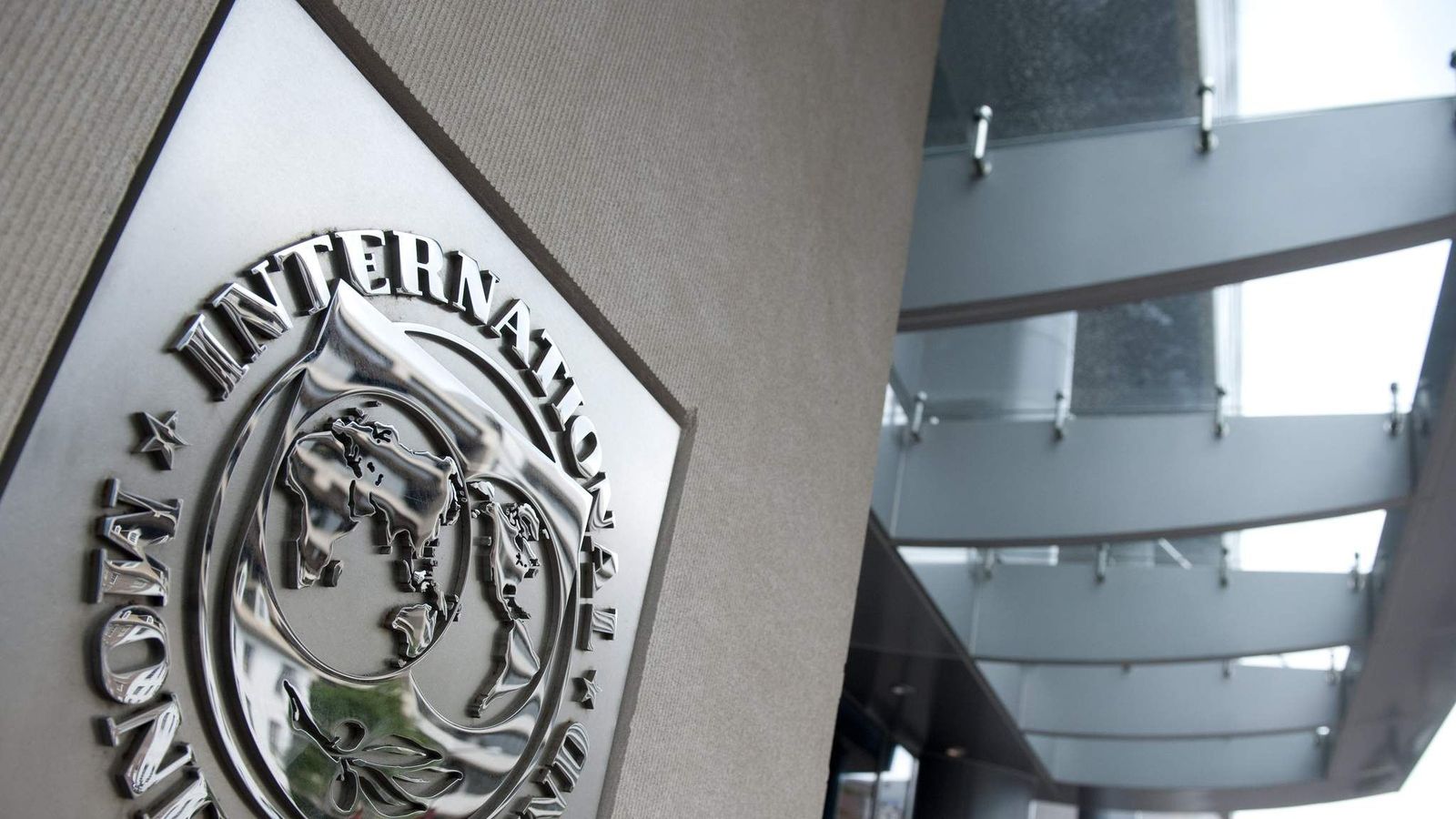
Although loans from the International Monetary Fund (IMF) are often used to help countries overcome economic challenges, experts warn that long-term debt burdens can weaken development, reduce financial flexibility, and expose economies to external shocks such as inflation, fuel price increases, and declining commodity revenues.

Recent developments in Mozambique and Angola have drawn renewed attention to the risks associated with growing public debt across African economies.
Mozambique is facing increasing concerns over its debt sustainability, with international analysts and credit rating agencies warning that the country’s financial condition may continue to worsen.

Economic experts believe the country’s rising debt profile could eventually force authorities to renegotiate major foreign obligations, a move that may weaken investor confidence and reduce access to global financial markets.
High debt levels often make investors view economies as financially risky, leading to higher borrowing costs for governments and businesses. As a result, many countries end up borrowing more funds mainly to repay existing debts instead of investing in important sectors such as healthcare, education, manufacturing, and infrastructure.
IMF loans, Mozambique debt, Angola economy, public debt, economic crisis, inflation, investor confidence, African economies
Meanwhile, Angola’s situation reflects how debt pressure can persist even in countries with strong natural resources and oil revenues.
Despite gains from higher global oil prices in recent months, concerns remain that Angola’s public debt could reach troubling levels over time, highlighting the difficulties heavily indebted nations face in maintaining long-term economic stability.

Analysts also note that large debt obligations reduce governments’ ability to respond effectively to economic challenges and emergencies, limiting investment in critical national development projects.




