

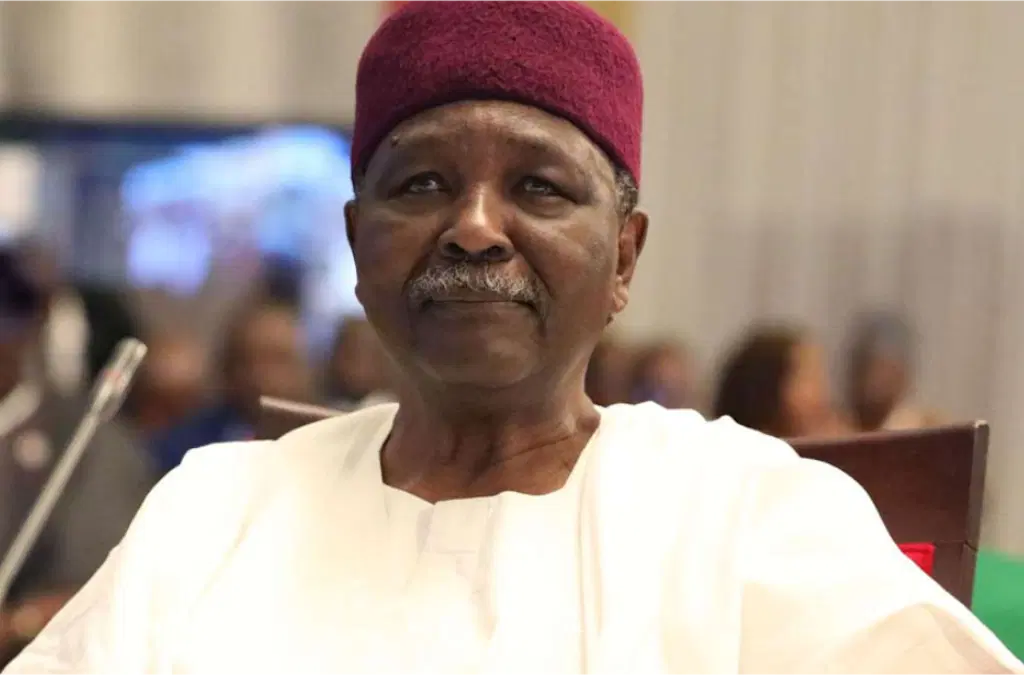
Former Nigerian Head of State, General Yakubu Gowon (rtd), has revisited the events that led to the 1967–1970 Civil War, accusing late Biafran leader, Chukwuemeka Odumegwu Ojukwu, of undermining repeated efforts to prevent the country’s descent into conflict.
The claims are contained in Gowon’s autobiography, My Life of Service and Allegiance, where he gave a detailed account of failed peace negotiations, rising political tensions, and mistrust that characterised the period before the outbreak of war.

Gowon stated that multiple attempts were made by the federal military government to resolve disagreements with the Eastern Region following the crises triggered by the 1966 coups and subsequent ethnic violence across parts of the country.
He particularly referenced the 1967 peace talks held in Aburi, Ghana, which he said were convened in good faith with the aim of preserving national unity and preventing further escalation of tensions.
According to him, although the meeting initially raised hopes for reconciliation, disagreements emerged after both sides returned with differing interpretations of the agreements reached.

Gowon argued that Ojukwu’s interpretation of the Aburi discussions would have significantly weakened the authority of the federal government and threatened the continued existence of Nigeria as a single nation.
He maintained that efforts to reach a peaceful resolution continued even after the talks, but said rising distrust and conflicting political positions made compromise increasingly difficult.
The former head of state also reflected on the killings of Igbo civilians in parts of Northern Nigeria during the crisis period, acknowledging the fear and trauma it caused while insisting that the federal government still sought to preserve national unity.

He further defended the creation of 12 states by his administration in 1967, stating that the decision was intended to address minority fears and reduce regional dominance within the federation.
Gowon said the declaration of Biafra on May 30, 1967, marked a turning point that made military confrontation unavoidable, adding that the federal government had no alternative once secession was declared.

He also reiterated his post-war reconciliation policy of “No Victor, No Vanquished,” describing it as a necessary step to rebuild national unity and prevent further divisions after years of conflict.
According to him, the Civil War was fought to preserve Nigeria’s unity, not to target any ethnic group, and the post-war period required deliberate efforts toward healing and reintegration.
Gowon’s account presents a contrasting narrative to that of Ojukwu, who maintained that the declaration of Biafra was driven by the need to protect the Eastern Region following failures in the Nigerian political system.




