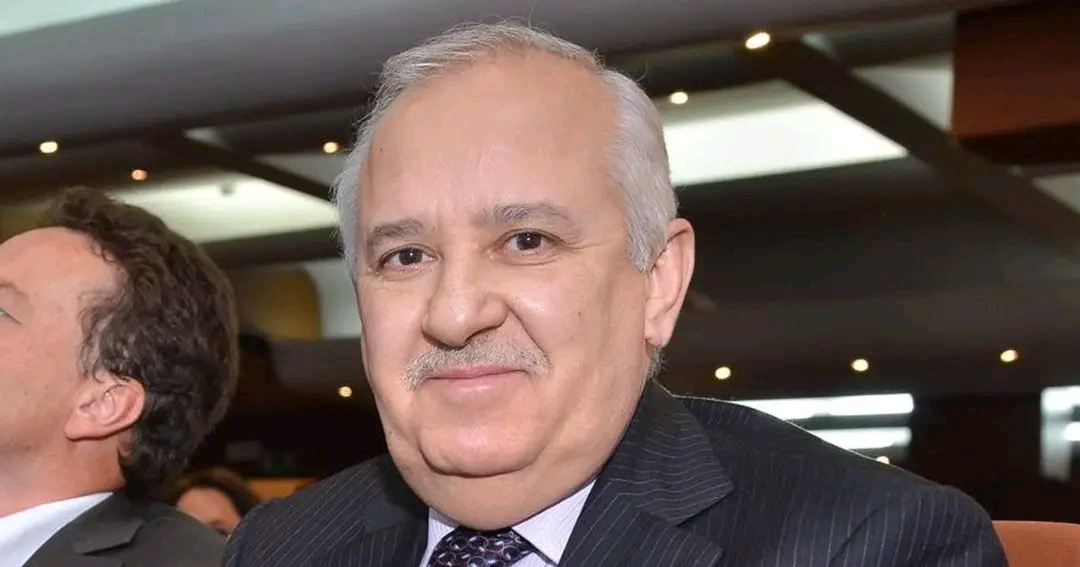
Africa’s push to take greater control of its industrial future is gathering pace, and Morocco’s cement giant CIMAF is making one of its boldest moves yet in Gabon.
The company, owned by Moroccan billionaire Anas Sefrioui, is investing more than $45 million to expand its operations in the Central African country, signalling a deeper shift of industrial capital away from Europe and toward Africa’s fast-growing markets.
The expansion will add a third production line at CIMAF’s Owendo plant near Libreville and significantly boost clinker output — the key raw material used in cement production.
The project was presented to Gabon’s transitional President, Brice Clotaire Oligui Nguema, by CIMAF chief executive Anas Sefrioui.
The timing is strategic. Gabon has announced plans to ban clinker imports from January 2027 as part of a wider drive for industrial self-sufficiency following the 2023 political transition.
The policy is designed to reduce dependence on imports, strengthen local manufacturing, and retain more value within the country’s economy. For cement producers, it effectively means one thing: build locally or lose market access.

CIMAF is moving early to stay ahead of that shift.
By producing clinker locally instead of importing it, the company aims to reduce costs, avoid global shipping disruptions, and protect itself from volatile international commodity prices that have affected construction sectors worldwide.
The expansion could also reshape Gabon’s role in Central Africa’s construction supply chain.
Industry estimates suggest CIMAF’s annual production capacity in Gabon could rise to around 1.85 million tonnes — almost double the country’s current domestic demand of about 900,000 tonnes.
That surplus signals a clear ambition: turning Gabon into a regional export hub for cement across Central Africa, where infrastructure development continues to drive demand despite economic and political challenges.
The move also reflects a broader strategic shift by Sefrioui, one of Morocco’s most prominent industrialists.

Earlier this year, CIMAF exited its only cement plant in France, stepping away from a European market facing high energy costs, weaker construction activity, and tighter environmental regulations.
The company is now doubling down on Africa, where rapid urbanisation and infrastructure development continue to fuel long-term demand.
CIMAF already operates in more than 10 African countries, including Cameroon, Côte d’Ivoire, Guinea, Burkina Faso, Chad, and the Republic of the Congo.
Its strategy is rooted in a simple reality: Africa still imports large volumes of essential building materials despite rising local demand. Producing them on the continent not only reduces costs but also aligns with growing government policies focused on industrialisation and economic self-reliance.
At the centre of this expansion is cement — a material essential to roads, housing, ports, and industrial development across the continent.
For Gabon, the investment goes beyond a single factory. It represents part of a broader effort to reposition the country as a manufacturing hub rather than just a resource-dependent economy.
For Sefrioui, whose wealth is estimated at around $1.4 billion, the bet is ultimately on Africa’s growth story — its expanding cities, rising infrastructure needs, and long-term industrial transformation.