

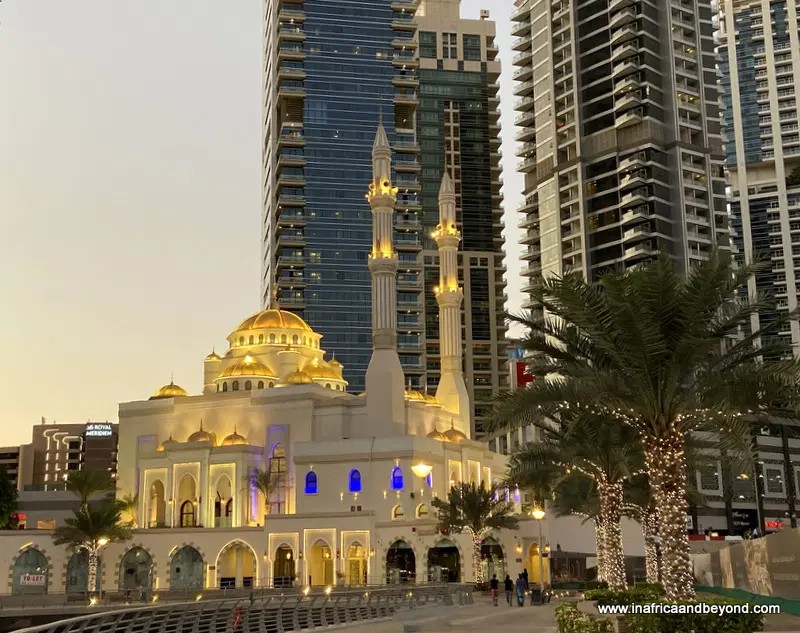
*Today is 19th of Dhul Hijjah 1447AH (5 June 2026) and a Day of Jumu’ah (Friday)*
*The Book of the Sick – Kitab al-Mardha*
Narrated `A’ishah:
When Allah’s Messenger (ﷺ) emigrated to Madinah, Abu Bakr and Bilal got a fever. I entered upon them and asked, “O my father! How are you? O Bilal! How are you?” Whenever fever attacked Abu Bakr, he would recite the following poetic verses: ‘Everybody is staying alive among his people, yet death is nearer to him than his shoe laces.” And whenever the fever deserted Bilal, he would recite (two poetic lines): ‘Would that I could stay overnight in a valley wherein I would be surrounded by Idhkhir and Jalil (two kinds of good smelling grass). Would that one day I would drink of the water of Majinna and would that Shama and Tafil (two mountains at Makkah) would appear to me.’ Then I came and informed Allah’s Messenger (ﷺ) about that, whereupon he said, *”O Allah! Make us love Madinah as much or more than we love Makkah. O Allah! Make it healthy and bless its Mudd and Sa for us, and take away its fever and put it in Al Juhfa.”*

حَدَّثَنَا قُتَيْبَةُ، عَنْ مَالِكٍ، عَنْ هِشَامِ بْنِ عُرْوَةَ، عَنْ أَبِيهِ، عَنْ عَائِشَةَ، أَنَّهَا قَالَتْ لَمَّا قَدِمَ رَسُولُ اللَّهِ صلى الله عليه وسلم الْمَدِينَةَ وُعِكَ أَبُو بَكْرٍ وَبِلاَلٌ ـ رضى الله عنهما ـ قَالَتْ فَدَخَلْتُ عَلَيْهِمَا قُلْتُ يَا أَبَتِ كَيْفَ تَجِدُكَ وَيَا بِلاَلُ كَيْفَ تَجِدُكَ قَالَتْ وَكَانَ أَبُو بَكْرٍ إِذَا أَخَذَتْهُ الْحُمَّى يَقُولُ كُلُّ امْرِئٍ مُصَبَّحٌ فِي أَهْلِهِ وَالْمَوْتُ أَدْنَى مِنْ شِرَاكِ نَعْلِهِ وَكَانَ بِلاَلٌ إِذَا أَقْلَعَتْ عَنْهُ يَقُولُ أَلاَ لَيْتَ شِعْرِي هَلْ أَبِيتَنَّ لَيْلَةً بَوَادٍ وَحَوْلِي إِذْخِرٌ وَجَلِيلُ وَهَلْ أَرِدَنْ يَوْمًا مِيَاهَ مِجَنَّةٍ وَهَلْ تَبْدُوَنْ لِي شَامَةٌ وَطَفِيلُ قَالَتْ عَائِشَةُ فَجِئْتُ إِلَى رَسُولِ اللَّهِ صلى الله عليه وسلم فَأَخْبَرْتُهُ فَقَالَ ” اللَّهُمَّ حَبِّبْ إِلَيْنَا الْمَدِينَةَ كَحُبِّنَا مَكَّةَ أَوْ أَشَدَّ، اللَّهُمَّ وَصَحِّحْهَا، وَبَارِكْ لَنَا فِي مُدِّهَا وَصَاعِهَا، وَانْقُلْ حُمَّاهَا فَاجْعَلْهَا بِالْجُحْفَةِ ”.
Sahih al-Bukhari 5654
*NOTE 📝*
1. al-Hafidh Ibn Hajar al-Asqalani in his commentary of this hadith discussed the permissibility of women visiting sick men, even when they are not close relatives, provided the Islamic conditions of modesty, proper conduct, and safety from temptation are observed. As evidence, the al-Hafidh cited the practice of Umu al-Dardaaʾ, who visited an Ansari man who was ill in the mosque. He clarified that this was most likely the younger Umu al-Dardaaʾ, a well-known female scholar and jurist of the Tābiīn, rather than the elder Umu al-Dardaaʾ, based on the historical timeline of the narrators. – Fathul Baari, Ibn Hajar al-Asqalani
2. Ibn Hajar also referenced this narration of ʿAʾishah (may Allah be pleased with her and her father), under review, visiting both Abu Bakr al-Siddiq and Bilal ibn Rabah when they became ill shortly after the migration to Madinah. Although this incident occurred before the verses of hijab were revealed, al-Hafidh stated that scholars explain that it still supports the general permissibility of women visiting sick men, as long as the required Islamic guidelines are maintained. The essential principle before and after hijab is the avoidance of anything that may lead to temptation or impropriety. – Fathul Baari, Ibn Hajar al-Asqalani
3. Lastly, Ibn Hajar explained that this narration also preserved a touching glimpse of the early Muslims’ longing for Makkah after migration. During their illness, Abu Bakr and Bilal expressed homesickness and recited lines of poetry remembering their homeland. ʿAʾishah’s question, “How do you find yourself?” demonstrates the etiquette of visiting the sick by asking about their condition, offering comfort, and showing concern. Thus, the hadith highlights both the virtue of visiting the sick and the importance of compassion, modesty, and maintaining strong bonds within the Muslim community. – Fathul Baari, Ibn Hajar al-Asqalani

*O Allah, we ask You (for safety from trials and) well-being in this world and the Hereafter. O Allah, we ask You for forgiveness and well-being in our religion, our worldly affairs, our family, and our wealth. O Allah, conceal our faults and protect our vulnerabilities. Indeed, You are All-Hearing, Ever-Responsive. Ãmeen*
اَلْحَمْدُ لِلَّهِ الَّذي أَحْيَانَا بَعْدَ مَا أَمَاتَنَا وَإِلَيْهِ النُّشُورُ
🙏 Alhamdu lillaahil-lathee ‘ahyaanaa ba’da maa ‘amaatanaa wa’i layhin -nushoor.
🙏 Praise is to Allah Who gives us life after He has caused us to die and to Him is the return.
🙏Rabbana la tuzigh quloobana ba’da idh hadaytana wa hab lana milladunka rahmah innaka antal Wahhab
Our Lord! (they say), Let not our hearts deviate now after Thou hast guided us, but grant us Mercy from Thine own Presence; for Thou art the Grantor of bounties without measure” (3:8)
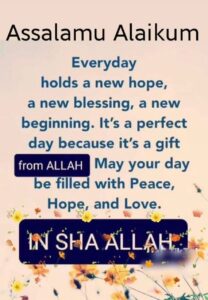
May Allah (SWT) continue to manifest HIS glorious power in your situations and make you a point of reference, a channel of blessings, a symbol of success, a vessel of joyful testimonies and a pillar of abundant grace.May the protection, guidance, and divine blessing of Allah (SWT) continue to locate you and your family today and always🙏 Ameen.
Jummat Mubarak 🕋
“May your rite of worship be accepted.”
(Barr nusukak)
For one returning from Hajj, Ibn ’Umar رضي الله عنهما would say:
“May Allah accept your Hajj, increase your reward, and replace what you spent with something better.”

(Taqabbala Allahu nusukak, wa a’zama ajrak, wa akhlafa nafaqatak.)
Welcoming travelers was also part of the Prophetic guidance. Ibn al-Qayyim رحمه الله said while describing the practice of the Prophet ﷺ:
“He would embrace those returning from travel.”
It is also reported that when Ja’far ibn Abi Talib رضي الله عنه returned from Abyssinia, the Prophet ﷺ welcomed him, embraced him, and kissed him between the eyes.
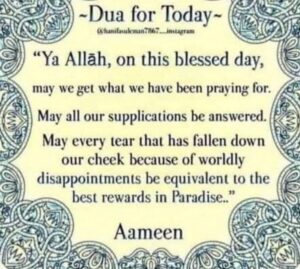
Likewise, Anas ibn Malik رضي الله عنه reported:
“The Companions of the Prophet ﷺ would shake hands when they met one another, and when they returned from a journey, they would embrace one another.”
So when our brothers and sisters return from Hajj or Umrah, let us welcome them with warmth, congratulate them, make du’a for their acceptance, and thank Allah for bringing them home safely.
May Allah accept the Hajj and Umrah of all the pilgrims, increase their reward, and make their return a return to a life of greater faith, obedience, and righteousness.




