

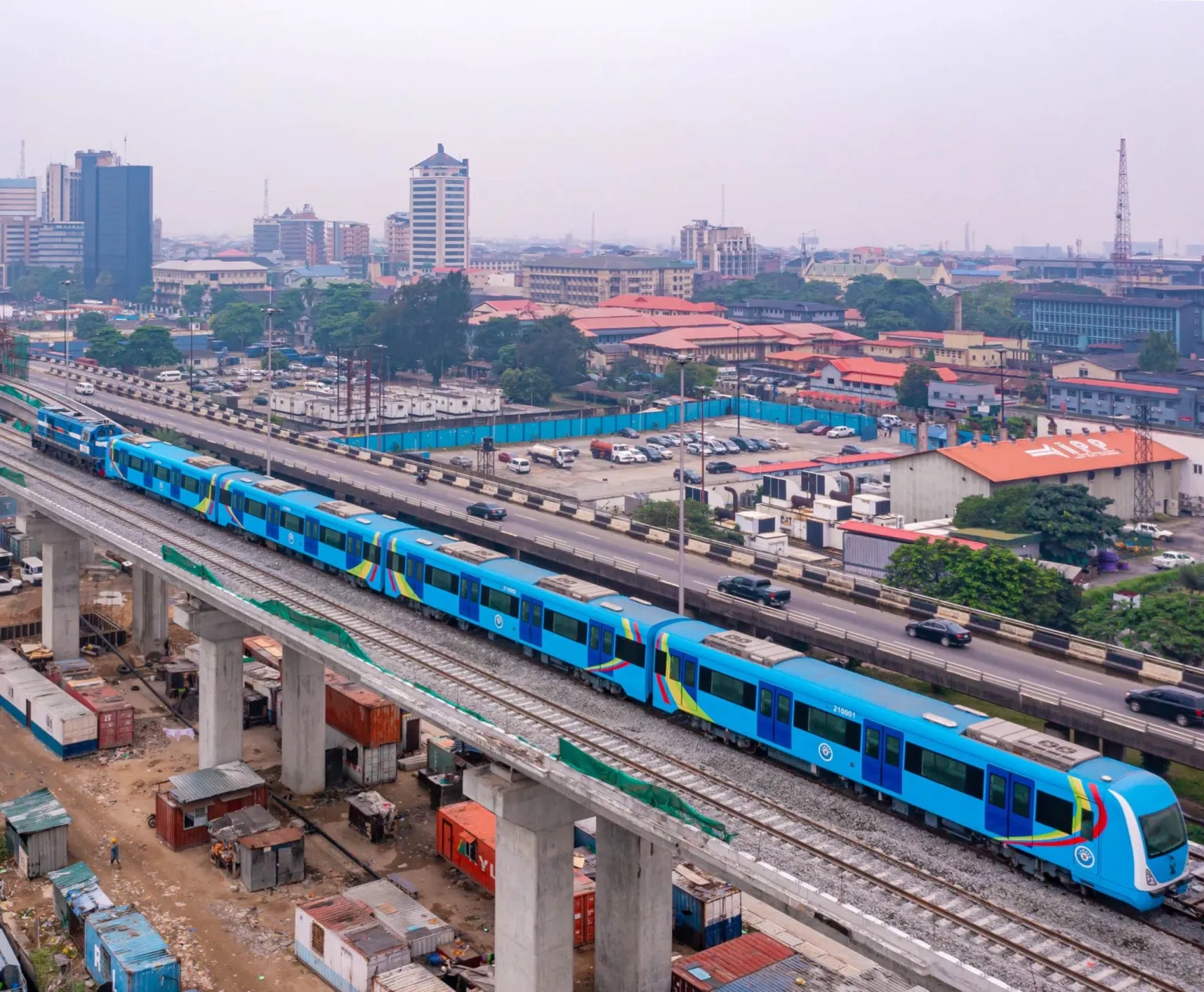
Lagos State has recorded a new phase of expansion in its rail transport system as the Lagos Metropolitan Area Transport Authority (LAMATA) announced an increase in daily operations on the Lagos Rail Mass Transit Blue Line, alongside an earlier start time aimed at improving commuter experience.

According to LAMATA, the Blue Line will now run 94 trips daily, up from 90, while weekday and Saturday services will begin at 6:00 a.m. starting from June 15. The agency said the adjustment is designed to reduce congestion, shorten waiting times, and enhance overall service efficiency as more residents adopt rail transport.
The agency’s Head of Corporate Communications, Kolawole Ojelabi, explained that the new schedule will allow commuters to travel earlier and better manage peak-hour traffic, adding that Sunday operations have also been increased from 22 to 24 trips, with trains running at 30-minute intervals throughout the day.

He noted that the Blue Line has continued to experience rising passenger demand since commercial operations began in September 2023, with over six million passengers transported so far. The system has become a central part of Lagos State’s efforts to modernise urban mobility and reduce pressure on road networks.
The development comes amid broader transport infrastructure discussions, including federal plans to extend the Lagos rail network to Murtala Muhammed Airport to improve connectivity to Nigeria’s busiest aviation hub.

The Minister of Aviation and Aerospace Development, Festus Keyamo, said the proposed rail extension would connect Ikeja to both domestic and international terminals, passing through key airport facilities including the General Aviation Terminal and Murtala Muhammed Airport Terminal Two.

He added that the project, currently under discussion between the federal and Lagos state governments, is part of efforts to strengthen Lagos’ position as a regional aviation and transport hub, noting that the city handles about 67 percent of Nigeria’s air passenger traffic.
Keyamo also highlighted ongoing investments in airport infrastructure, including major upgrades to the Lagos international terminal, and pointed to opportunities for further expansion in the aviation sector, including a proposed airport project along the Lekki–Epe corridor.
If completed, the proposed rail extension would integrate road, rail, and air transport systems, significantly improving connectivity within Lagos’ growing urban and economic network.




