

Growing insecurity across Nigeria is raising concerns over the conduct of the 2027 general elections, with electoral officials, legal experts, civil society groups, and security stakeholders warning that persistent violence could pose serious challenges to the democratic process.

Reports indicate that thousands of Nigerians have lost their lives in violence-related incidents in the first five months of 2026 alone. Data from a recent violence monitoring report also highlighted the significant human cost of insecurity across the country over the past two decades.
With the presidential and National Assembly elections scheduled for January 16, 2027, and governorship elections set for February 6, concerns are mounting over the impact of terrorism, banditry, kidnappings, communal clashes, and other security threats on voter participation and election logistics.

Electoral authorities have stressed that security and credible elections are closely linked, warning that a peaceful environment is essential for citizens to freely exercise their democratic rights.
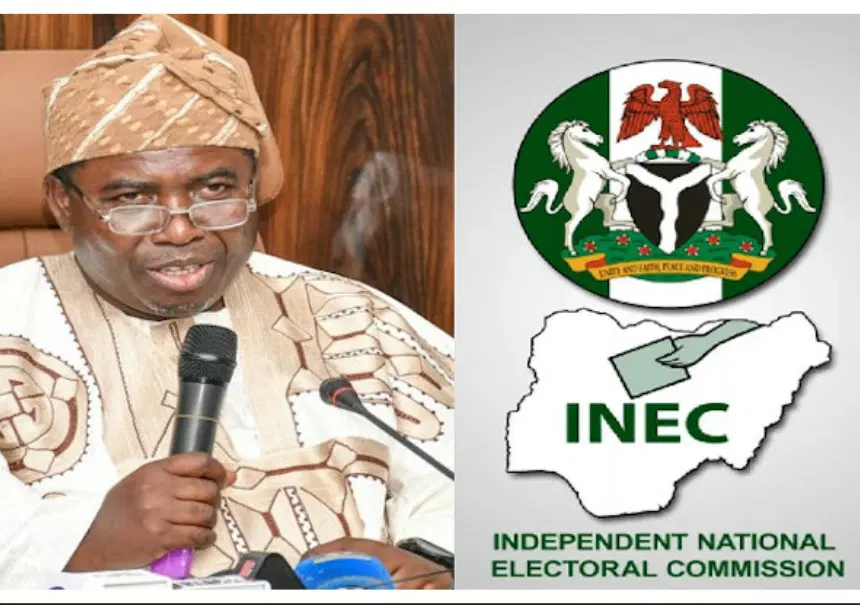
The chairman of the electoral commission recently emphasized the need for proactive security measures, intelligence gathering, and early identification of potential flashpoints to prevent violence before it occurs. He also called for stronger collaboration among security agencies, political parties, electoral officials, and local communities to safeguard the electoral process.

Security authorities have, in turn, assured Nigerians that preparations are underway to address emerging threats, including political violence, illegal arms proliferation, voter intimidation, cyber-related risks, misinformation campaigns, and attacks on election infrastructure.
Beyond traditional security concerns, officials have also raised alarms over the growing influence of social media manipulation, artificial intelligence-driven disinformation, and foreign information campaigns, which could complicate the electoral landscape ahead of the polls.
Legal practitioners and human rights advocates have similarly expressed concern about the country’s security situation, arguing that the continued spread of kidnappings, terrorism, and violent crime could undermine public confidence in the electoral process if not effectively addressed.

Rights groups also noted that insecurity remains one of the key issues likely to influence voter decisions in 2027, as many citizens assess government performance based on its ability to protect lives, property, and economic activities.
Despite these concerns, opposition parties have cautioned against any suggestion of postponing the elections, insisting that democratic processes must continue while authorities intensify efforts to restore security nationwide.

Stakeholders agree that ensuring a secure environment before the elections will be critical to maintaining public trust and guaranteeing credible, peaceful, and inclusive polls across the country.




